4-(trans-4-Butylcyclohexyl)cyclohexanone is a chemical compound widely used in organic synthesis reactions. It serves as a building block in the creation of complex organic molecules, particularly those requiring cyclic structures and specific substitutions. This compound is essential in laboratories where the development of more intricate chemical structures is required, such as aromatic derivatives or heterocyclic compounds. Its unique molecular structure, consisting of two cyclohexane rings and a trans-attached butyl chain, makes it a versatile reagent for various synthetic pathways.
The compound’s chemical properties, including its reactivity and structural versatility, make it a preferred choice for researchers. It is well-suited for substitution, reduction, and oxidation reactions, which are fundamental in organic chemistry. The presence of multiple functional groups and its ability to participate in diverse chemical transformations enhance its utility in synthetic chemistry. Its stability under controlled conditions further supports its application in both academic and industrial research settings.
In Indonesian laboratories, this compound is commonly used in scientific research and chemical product development. Educational and research institutions rely on it to meet the needs of experiments requiring specific molecular structures. Its availability in the local market facilitates access for researchers and students, supporting the advancement of chemical studies in Indonesia.
Related TCI products
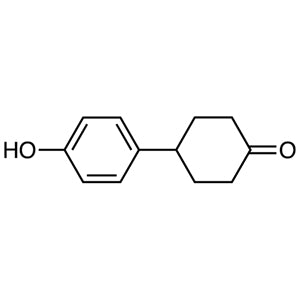
- TCI H1316 105640-07-1 4-(4-Hydroxyphenyl)cyclohexanone
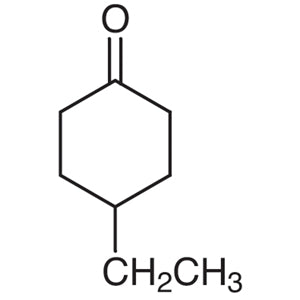
- TCI E0398 5441-51-0 4-Ethylcyclohexanone
- TCI A0723 32210-23-4 4-tert-Butylcyclohexyl Acetate (cis- and trans- mixture)
- TCI P2435 84868-02-0 4-(trans-4-Pentylcyclohexyl)cyclohexanone
- TCI P2372 117923-32-7 4-[2-(trans-4-Propylcyclohexyl)ethyl]cyclohexanone
- TCI P2370 121040-08-2 4-[2-(trans-4-Pentylcyclohexyl)ethyl]cyclohexanone
- Organic synthesis reactions benefit from this compound due to its cyclic structure and substituent flexibility, enabling the creation of complex molecules.
- It is ideal for the development of aromatic derivatives, as its molecular framework supports the formation of aromatic ring systems through synthetic modifications.
- In heterocyclic compound synthesis, the compound’s structure allows for the introduction of heteroatoms, making it a valuable tool in medicinal chemistry research.
- It is frequently used in reduction and oxidation processes due to its reactivity and compatibility with various reaction conditions.
- Its use in academic research supports the teaching and practice of synthetic chemistry techniques in Indonesian universities and research centers.
| Brand | TCI |
|---|---|
| CAS number | 92413-47-3 |
| Molecular formula | — |
| Purity | — |
| Category | Chemistry > Building Blocks > Non-Heterocyclic Building Blocks |
| Pack sizes | Available in various quantities as per standard laboratory supply practices |
| Physical form | Liquid |
| Storage | Store in a cool, dry place away from direct sunlight and incompatible materials |
This compound should be stored in a cool, dry environment, away from direct sunlight and sources of heat. It is recommended to use airtight containers made of materials that are chemically inert, such as glass or high-density polyethylene, to prevent contamination and degradation. Due to its chemical nature, it should be kept away from incompatible substances like strong oxidizers or acids. In laboratory settings, personal protective equipment such as gloves, goggles, and a lab coat should be worn when handling the compound to ensure safety. Proper ventilation is also essential to minimize exposure to vapors. Regular inspection of storage conditions is advised to maintain the integrity of the compound and ensure safe handling practices.
—
Produk Terkait
-
4-(4-Hydroxyphenyl)cyclohexanone TCI H1316
Regular price From Rp 1.220.100,00Regular priceRp 868.350,00Sale price From Rp 1.220.100,00 -
4-Ethylcyclohexanone TCI E0398
Regular price Rp 2.121.000,00Regular priceRp 1.498.350,00Sale price Rp 2.121.000,00 -
4-tert-ButylcyclohexylAcetate(cis-andtrans-mixture) TCI A0723
Regular price From Rp 505.050,00Regular priceRp 352.800,00Sale price From Rp 505.050,00 -
4-(trans-4-Pentylcyclohexyl)cyclohexanone TCI P2435
Regular price Rp 1.749.300,00Regular priceRp 1.239.000,00Sale price Rp 1.749.300,00 -
4-[2-(trans-4-Propylcyclohexyl)ethyl]cyclohexanone TCI P2372
Regular price Rp 1.723.050,00Regular priceRp 1.220.100,00Sale price Rp 1.723.050,00 -
4-[2-(trans-4-Pentylcyclohexyl)ethyl]cyclohexanone TCI P2370
Regular price Rp 1.087.800,00Regular priceRp 775.950,00Sale price Rp 1.087.800,00 -
4-(trans-4-Propylcyclohexyl)cyclohexanone TCI P2108
Regular price From Rp 900.900,00Regular priceRp 645.750,00Sale price From Rp 900.900,00 -
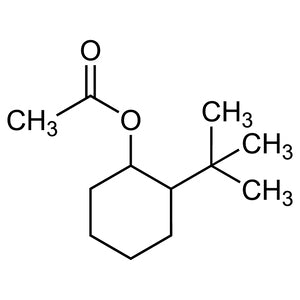
2-tert-ButylcyclohexylAcetate(cis-andtrans-mixture) TCI B6830
Regular price From Rp 769.650,00Regular priceRp 537.600,00Sale price From Rp 769.650,00