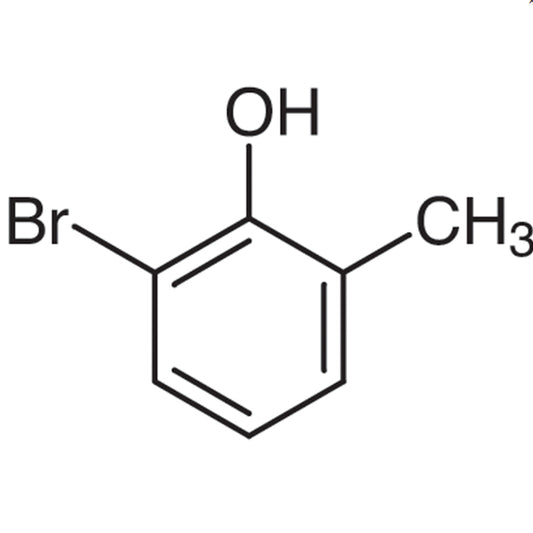
2-tert-Butyl-p-cresol is a chemical compound widely used in laboratory settings as a foundational building block in organic synthesis and chemical reactions. It serves as a key intermediate in the development of various organic compounds, playing a crucial role in the creation of pharmaceuticals, industrial chemicals, and advanced materials. Its versatility makes it an essential component in both academic and industrial research environments. Due to its chemical stability and reactivity, it is frequently utilized in the preparation of aromatic compounds and as part of reactive mixtures in synthetic processes.
This compound is preferred for its chemical stability and solubility in organic solvents such as ethyl acetate and chloroform. Its molecular structure, featuring a tert-butyl group, enhances its solubility and reactivity, making it suitable for a wide range of chemical applications. The compound's ability to function as both a solvent and a reagent allows it to be integrated into diverse synthetic pathways. Its predictable behavior under various reaction conditions ensures reliable results in laboratory experiments.
In Indonesian laboratories, 2-tert-Butyl-p-cresol is commonly used in organic chemistry research, particularly in the synthesis of aromatic compounds and the development of new chemical materials. Its availability and stability make it a popular choice for researchers working on chemical synthesis and material science projects. It is frequently found in academic and industrial laboratories, supporting both basic and applied research efforts.
- Organic synthesis is a primary application where 2-tert-Butyl-p-cresol is used as a building block for creating complex aromatic compounds due to its reactivity and solubility.
- Pharmaceutical research benefits from this compound as it serves as a precursor in the development of various drug molecules through synthetic pathways.
- Material science applications utilize this compound in the formulation of new chemical materials due to its structural versatility and chemical stability.
- Analytical chemistry employs it as a standard in chromatographic and spectroscopic analyses for identifying and quantifying organic compounds.
- Industrial chemical production relies on this compound for the synthesis of specialty chemicals used in a variety of commercial applications.
| Brand | TCI |
|---|---|
| CAS number | 2409-55-4 |
| Molecular formula | — |
| Purity | — |
| Category | Chemistry > Building Blocks > Non-Heterocyclic Building Blocks |
| Pack sizes | Available in various quantities as per standard laboratory supply |
| Physical form | Solid or liquid depending on the specific formulation |
| Storage | Store in a cool, dry place away from direct sunlight and incompatible materials |
This compound should be stored in a cool, dry location, away from direct sunlight and sources of heat. It is recommended to use sealed containers made of materials compatible with organic solvents to prevent contamination and evaporation. Due to its chemical stability, it does not require refrigeration but should be kept in a secure area to avoid accidental exposure. Laboratory personnel should handle it with appropriate personal protective equipment, including gloves and safety goggles, to ensure safe handling. Proper ventilation is essential when working with this compound to minimize inhalation risks. Always follow standard laboratory safety protocols when handling and storing chemical substances.
—
Produk Terkait
-
3,4,5,6-Tetrabromo-o-cresol TCI T1528
Regular price Rp 610.050,00Regular priceRp 426.300,00Sale price Rp 610.050,00 -
2,3,5,6-Tetrabromo-p-cresol TCI T1430
Regular price From Rp 2.147.250,00Regular priceRp 1.501.500,00Sale price From Rp 2.147.250,00 -
4-Bromo-o-cresol TCI B3677
Regular price From Rp 1.590.750,00Regular priceRp 1.111.950,00Sale price From Rp 1.590.750,00 -
6-Bromo-o-cresol TCI B3126
Regular price From Rp 3.683.400,00Regular priceRp 2.575.650,00Sale price From Rp 3.683.400,00 -
2-Bromo-p-cresol TCI B0808
Regular price From Rp 2.782.500,00Regular priceRp 1.945.650,00Sale price From Rp 2.782.500,00 -
6-tert-Butyl-o-cresol TCI B0728
Regular price From Rp 795.900,00Regular priceRp 572.250,00Sale price From Rp 795.900,00 -
6-tert-Butyl-m-cresol TCI B0718
Regular price From Rp 582.750,00Regular priceRp 423.150,00Sale price From Rp 582.750,00 -
4-Nitro-o-cresol TCI N0670
Regular price From Rp 875.700,00Regular priceRp 612.150,00Sale price From Rp 875.700,00