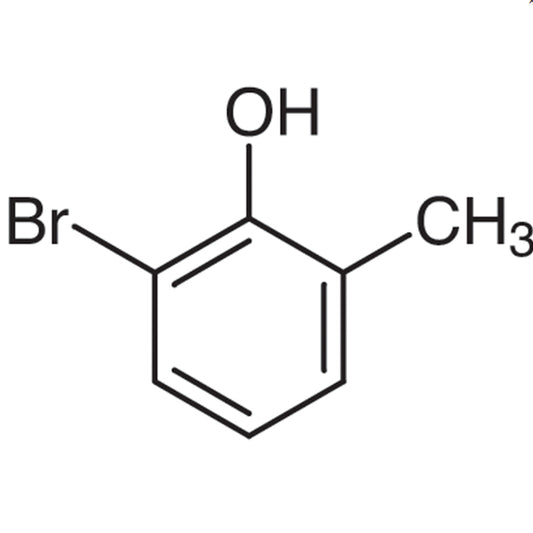
6-Tert-Butyl-o-cresol is a chemical compound widely used in laboratory settings as a building block for various chemical reactions. It serves as a precursor or reagent in the synthesis of complex organic molecules, playing a crucial role in both research and industrial applications. Its aromatic structure, combined with the presence of a tert-butyl group and a methyl group, provides unique chemical properties that make it versatile for different synthetic pathways. This compound is particularly valued in the fields of organic chemistry and pharmaceutical research due to its stability and predictable reactivity.
The compound's non-polar nature and limited solubility in organic solvents make it suitable for reactions requiring specific conditions, such as substitution or oxidation processes. Its controlled reactivity and stability allow chemists to manipulate it effectively in a wide range of experimental setups. Additionally, its resistance to degradation ensures that it remains effective over extended periods, making it a reliable choice for long-term laboratory use. These characteristics contribute to its popularity among researchers working in both academic and industrial environments.
In Indonesian laboratories, 6-Tert-Butyl-o-cresol is commonly used in chemical synthesis and analytical experiments. It is a key component in the development of new compounds and the testing of chemical processes. Its availability and cost-effective nature make it a preferred choice for educational institutions and research centers across Indonesia. The compound's utility in both teaching and research settings underscores its importance in the chemical sciences within the country.
- Organic synthesis applications benefit from 6-Tert-Butyl-o-cresol's stable structure and predictable reactivity, allowing for the creation of complex molecules with high precision.
- Pharmaceutical research utilizes this compound as a building block for drug development, enabling the synthesis of active pharmaceutical ingredients with tailored properties.
- Analytical chemistry experiments often incorporate this compound as a standard or reference material due to its well-defined chemical properties and consistency.
- Industrial chemical processes rely on its non-polar characteristics, making it suitable for reactions that require specific solubility and reactivity profiles.
- Teaching laboratories use it to demonstrate fundamental chemical reactions and synthetic techniques, providing students with hands-on experience in organic chemistry.
| Brand | TCI |
|---|---|
| CAS number | 2219-82-1 |
| Molecular formula | — |
| Purity | — |
| Category | Chemistry > Building Blocks > Non-Heterocyclic Building Blocks |
| Pack sizes | Available in various quantities as per standard laboratory requirements |
| Physical form | Solid |
| Storage | Store in a cool, dry place away from direct sunlight and moisture |
6-Tert-Butyl-o-cresol should be stored in a cool, dry environment to maintain its chemical integrity and prevent degradation. It is recommended to keep it in airtight containers to minimize exposure to moisture and air, which can affect its stability. Due to its non-polar nature, it is best stored in containers made of materials that are chemically inert, such as glass or high-density polyethylene. Laboratory personnel should handle the compound with care, using appropriate personal protective equipment to ensure safety. Regular monitoring of storage conditions is essential to maintain the compound's effectiveness and ensure safe handling in laboratory environments.
—
Produk Terkait
-
3,4,5,6-Tetrabromo-o-cresol TCI T1528
Regular price Rp 610.050,00Regular priceRp 426.300,00Sale price Rp 610.050,00 -
2,3,5,6-Tetrabromo-p-cresol TCI T1430
Regular price From Rp 2.147.250,00Regular priceRp 1.501.500,00Sale price From Rp 2.147.250,00 -
4-Bromo-o-cresol TCI B3677
Regular price From Rp 1.590.750,00Regular priceRp 1.111.950,00Sale price From Rp 1.590.750,00 -
6-Bromo-o-cresol TCI B3126
Regular price From Rp 3.683.400,00Regular priceRp 2.575.650,00Sale price From Rp 3.683.400,00 -
2-tert-Butyl-p-cresol TCI B0910
Regular price From Rp 557.550,00Regular priceRp 405.300,00Sale price From Rp 557.550,00 -
2-Bromo-p-cresol TCI B0808
Regular price From Rp 2.782.500,00Regular priceRp 1.945.650,00Sale price From Rp 2.782.500,00 -
6-tert-Butyl-m-cresol TCI B0718
Regular price From Rp 582.750,00Regular priceRp 423.150,00Sale price From Rp 582.750,00 -
4-Nitro-o-cresol TCI N0670
Regular price From Rp 875.700,00Regular priceRp 612.150,00Sale price From Rp 875.700,00