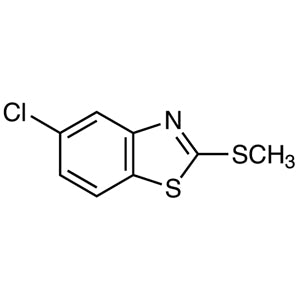
TCI C2111 5-Chloro-2-(methylthio)benzothiazole is a heterocyclic compound that combines a benzothiazole core with a chlorine atom on the benzene ring and a methylthio group at the two position. It belongs to the class of heterocyclic building blocks, meaning starting materials that supply a ready-made ring framework to synthetic researchers. In the laboratory, the benzothiazole scaffold is highly valued because it appears frequently in bioactive molecules, dyes, and functional materials, so having this core available in pure form substantially reduces the number of synthetic steps that would otherwise have to be carried out from simpler starting materials.
The property that makes this compound attractive is the methylthio group at the two position, which plays a dual role. That group can act as a good leaving group in nucleophilic aromatic substitution reactions, particularly after oxidation to the corresponding sulfoxide or sulfone, so that the two position can be replaced in a controlled manner by amines, alkoxides, or other nucleophiles. Meanwhile, the chlorine atom on the benzene ring provides a second reactive site for transition metal based cross coupling. The benzothiazole core itself is aromatic and stable toward common reaction conditions, and it contributes electronic character to the molecules built from it.
In Indonesian laboratories, this type of building block is normally used in organic synthesis and medicinal chemistry research groups at universities and research institutes, as well as in industrial development work on active compounds, dyes, and functional materials. It is typically ordered in small research quantities for multi-step route development, method optimisation, and the preparation of compound libraries, where a well-defined heterocyclic core shortens the path to the intended target molecule and keeps synthetic routes reproducible between batches of work.
Related TCI products
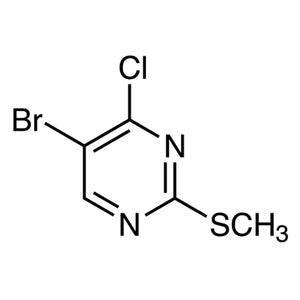
- TCI B4406 63810-78-6 5-Bromo-4-chloro-2-(methylthio)pyrimidine
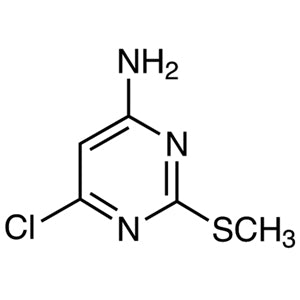
- TCI A2848 1005-38-5 4-Amino-6-chloro-2-(methylthio)pyrimidine
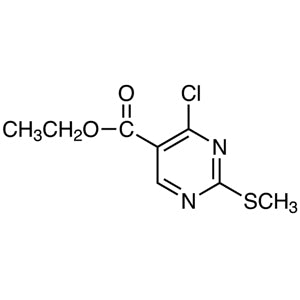
- TCI E0841 5909-24-0 Ethyl 4-Chloro-2-(methylthio)pyrimidine-5-carboxylate
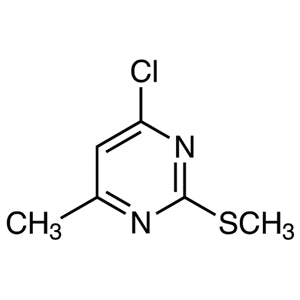
- TCI C2952 17119-73-2 4-Chloro-6-methyl-2-(methylthio)pyrimidine
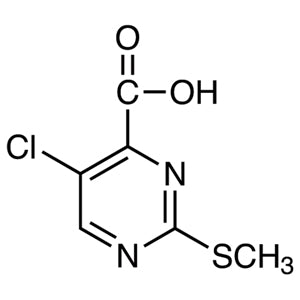
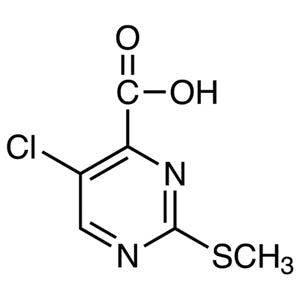
- TCI C2549 61727-33-1 5-Chloro-2-(methylthio)pyrimidine-4-carboxylic Acid
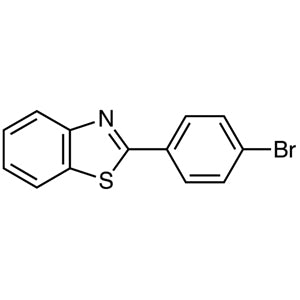
- TCI B2679 19654-19-4 2-(4-Bromophenyl)benzothiazole
- Nucleophilic aromatic substitution at the two position: the methylthio group serves as a good leaving group, especially after oxidation to the sulfoxide or sulfone, allowing controlled introduction of amines, alkoxides, or other nucleophiles.
- Transition metal catalysed cross coupling: the chlorine atom on the benzene ring gives a second, independently addressable reactive site for building carbon carbon or carbon heteroatom bonds onto the benzothiazole framework.
- Medicinal chemistry scaffold work: the benzothiazole core appears frequently in bioactive molecules, so this reagent lets researchers start from a ready-made ring system instead of assembling it from simpler precursors.
- Dye and functional materials synthesis: benzothiazoles are common structural motifs in dyes and functional materials, and the aromatic, electronically distinctive core is carried through into the final target compounds.
- Compound library and route development: two orthogonal reactive handles on one stable aromatic core make this material well suited to systematic derivatisation and multi-step synthetic route optimisation.
| Brand | TCI |
|---|---|
| CAS number | 3507-41-3 |
| Molecular formula | — |
| Purity | — |
| Category | Chemistry > Building Blocks > Heterocyclic Building Blocks |
| Pack sizes | — |
| Physical form | — |
| Storage | store according to the conditions stated on the manufacturer label and the accompanying safety data sheet |
- Chemical name: 5-Chloro-2-(methylthio)benzothiazole
- Product code: C2111
Store this compound in its original tightly closed container, in a cool, dry, well ventilated area away from direct sunlight, moisture, ignition sources, and incompatible materials such as strong oxidising agents. Follow the specific storage temperature and any special conditions stated on the manufacturer label and the safety data sheet supplied with the product. Handle the material in a fume hood using appropriate personal protective equipment, including safety goggles, chemical resistant gloves, and a laboratory coat. Sulfur containing compounds can have a noticeable odour, so keep containers closed when not in use. Avoid inhalation of dust and contact with skin and eyes, weigh out only the amount required for the experiment, and label all secondary containers clearly. Dispose of residues and contaminated materials as chemical waste in accordance with institutional and local regulations.
—
Produk Terkait
-
5-Bromo-4-chloro-2-(methylthio)pyrimidine TCI B4406
Regular price From Rp 955.500,00Regular price -
4-Amino-6-chloro-2-(methylthio)pyrimidine TCI A2848
Regular price Rp 1.724.100,00Regular price -
Ethyl4-Chloro-2-(methylthio)pyrimidine-5-carboxylate TCI E0841
Regular price From Rp 1.087.800,00Regular price -
4-Chloro-6-methyl-2-(methylthio)pyrimidine TCI C2952
Regular price Rp 10.574.550,00Regular price -
5-Chloro-2-(methylthio)pyrimidine-4-carboxylicAcid TCI C2549
Regular price From Rp 769.650,00Regular price -
2-(4-Bromophenyl)benzothiazole TCI B2679
Regular price From Rp 2.041.200,00Regular price -
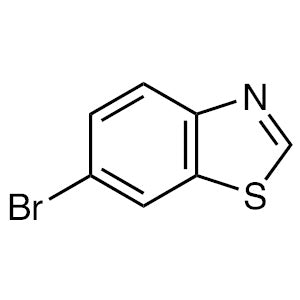
6-Bromo-1,3-benzothiazole TCI B6336
Regular price Rp 5.009.550,00Regular price -
2-(Bromomethyl)-1,3-benzothiazole TCI B6226
Regular price From Rp 3.419.850,00Regular price