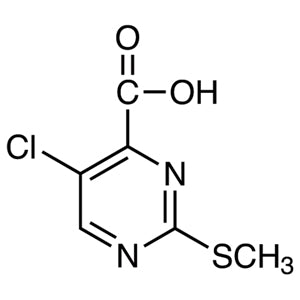
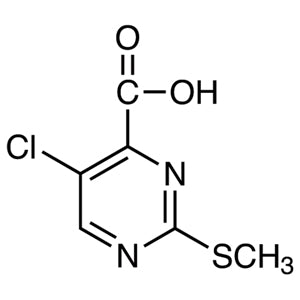
5-Chloro-2-(methylthio)pyrimidine-4-carboxylic Acid is a chemical compound widely used as a building block in the synthesis of complex heterocyclic compounds. This molecule contains a pyrimidine ring with substituents such as chlorine and methylthio groups, along with a carboxylic acid group. Its structural complexity makes it a versatile reagent in organic chemistry, enabling a range of synthetic reactions. In laboratory settings, it serves as a key component in the development of pharmaceuticals, industrial chemicals, and bioactive molecules.
The compound is valued for its chemical stability and controlled reactivity, which make it suitable for various synthetic processes. It exhibits good solubility in organic solvents like ethyl acetate and acetone, facilitating its use in different reaction conditions. Its specific molecular structure allows for substitution and condensation reactions, making it a preferred choice for researchers working on organic and pharmaceutical applications. The compound's resistance to degradation further enhances its utility in long-term storage and repeated use.
In Indonesian laboratories, this compound is commonly used in scientific research, particularly in the fields of organic chemistry and pharmacology. It plays a crucial role in the development of new drugs and bioactive compounds. Its availability and chemical properties make it a reliable material for academic and industrial research projects. Researchers in Indonesia rely on this compound for its consistent performance and compatibility with various synthetic methodologies.
Related TCI products
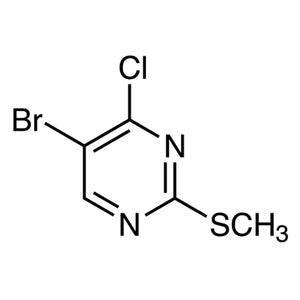
- TCI B4406 63810-78-6 5-Bromo-4-chloro-2-(methylthio)pyrimidine
- TCI B3829 50593-92-5 5-Bromo-2-(methylthio)pyrimidine-4-carboxylic Acid
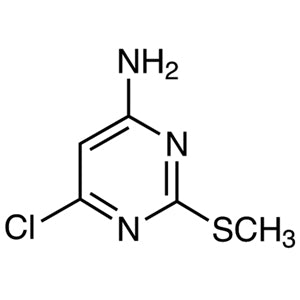
- TCI A2848 1005-38-5 4-Amino-6-chloro-2-(methylthio)pyrimidine
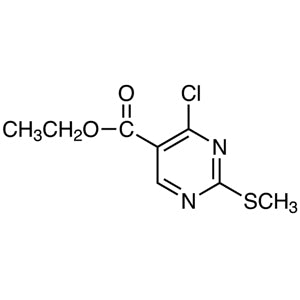
- TCI E0841 5909-24-0 Ethyl 4-Chloro-2-(methylthio)pyrimidine-5-carboxylate
- TCI D2533 6299-25-8 4,6-Dichloro-2-(methylthio)pyrimidine
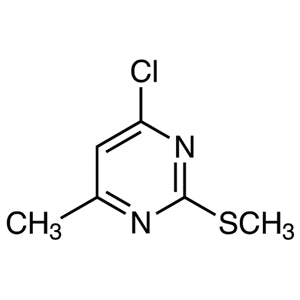
- TCI C2952 17119-73-2 4-Chloro-6-methyl-2-(methylthio)pyrimidine
- Pharmaceutical research utilizes this compound for the synthesis of bioactive molecules due to its structural versatility and reactivity.
- Organic chemistry experiments benefit from its solubility in organic solvents, allowing for efficient reaction conditions and purification processes.
- Drug development projects incorporate this compound as a building block in the creation of novel therapeutic agents with targeted biological activities.
- Industrial chemical synthesis relies on its stability and controlled reactivity to produce complex heterocyclic compounds.
- Academic research in pharmacology uses this compound to explore its potential in developing new treatments for various diseases.
| Brand | TCI |
|---|---|
| CAS number | 61727-33-1 |
| Molecular formula | — |
| Purity | — |
| Category | Chemistry > Building Blocks > Heterocyclic Building Blocks |
| Pack sizes | Available in various quantities as per supplier specifications |
| Physical form | Solid powder |
| Storage | Store in a cool, dry place away from light and moisture |
This compound should be stored in a cool, dry environment, away from direct sunlight and moisture. It is recommended to use airtight containers to prevent exposure to humidity and contaminants. Due to its chemical nature, it should be handled with appropriate personal protective equipment, such as gloves and safety goggles. Proper ventilation is essential when working with this material to minimize inhalation risks. It is important to keep the compound away from incompatible substances to ensure safe storage and usage. Regular inspection of storage conditions is advised to maintain its integrity and effectiveness in laboratory applications.
—
Produk Terkait
-
5-Bromo-4-chloro-2-(methylthio)pyrimidine TCI B4406
Regular price From Rp 955.500,00Regular price -
5-Bromo-2-(methylthio)pyrimidine-4-carboxylicAcid TCI B3829
Regular price From Rp 717.150,00Regular price -
4-Amino-6-chloro-2-(methylthio)pyrimidine TCI A2848
Regular price Rp 1.724.100,00Regular price -
Ethyl4-Chloro-2-(methylthio)pyrimidine-5-carboxylate TCI E0841
Regular price From Rp 1.087.800,00Regular price -
4,6-Dichloro-2-(methylthio)pyrimidine TCI D2533
Regular price From Rp 1.035.300,00Regular price -
4-Chloro-6-methyl-2-(methylthio)pyrimidine TCI C2952
Regular price Rp 10.574.550,00Regular price -
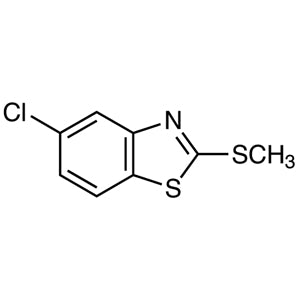
5-Chloro-2-(methylthio)benzothiazole TCI C2111
Regular price From Rp 1.856.400,00Regular price -
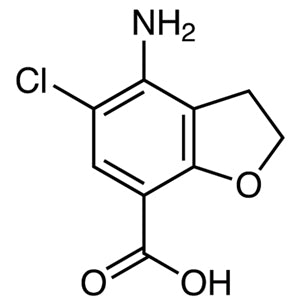
4-Amino-5-chloro-2,3-dihydrobenzofuran-7-carboxylicAcid TCI A2918
Regular price From Rp 1.353.450,00Regular price