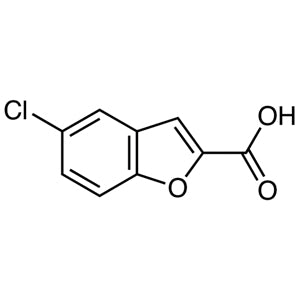
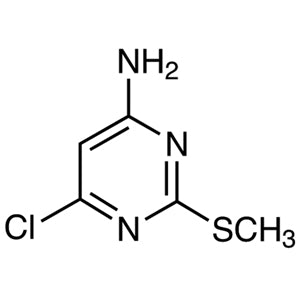
4-Amino-5-chloro-2,3-dihydrobenzofuran-7-carboxylic Acid is a versatile organic compound widely used in laboratory settings for synthetic chemistry applications. As a heterocyclic building block, it serves as a fundamental component in the construction of complex molecular structures. Its unique chemical structure, featuring a benzofuran ring with substituents such as an amino group and a chlorine atom, makes it valuable for the development of bioactive compounds. This compound is frequently employed in research aimed at creating new pharmaceutical agents and functional materials.
The compound's chemical properties, including its functional groups and molecular framework, make it a preferred choice for chemists and pharmacologists. Its heterocyclic nature allows for diverse chemical modifications, enabling the synthesis of a wide range of derivatives with potential therapeutic applications. The presence of both amino and chloro groups enhances its reactivity, making it suitable for various synthetic pathways. These characteristics contribute to its popularity in both academic and industrial research environments.
In Indonesian laboratories, this compound is commonly used in pharmaceutical and chemical research projects. It plays a key role in the development of new drugs and materials, supporting scientific innovation in the field. Its relevance extends to both academic institutions and research centers, where it is integral to the synthesis of bioactive compounds and the exploration of chemical reactivity. Its use reflects the growing importance of heterocyclic compounds in modern scientific research.
Related TCI products
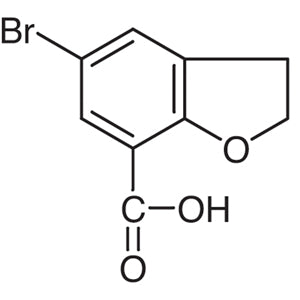
- TCI B1705 41177-72-4 5-Bromo-2,3-dihydrobenzofuran-7-carboxylic Acid
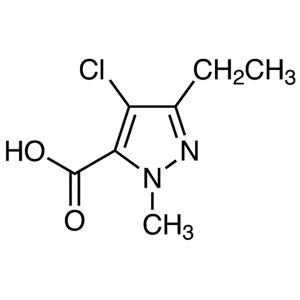
- TCI C3644 127892-62-0 4-Chloro-3-ethyl-1-methyl-1H-pyrazole-5-carboxylic Acid
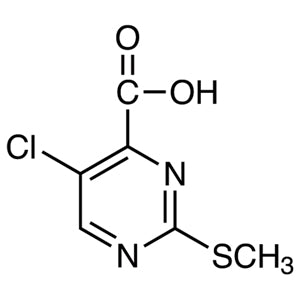
- TCI C2549 61727-33-1 5-Chloro-2-(methylthio)pyrimidine-4-carboxylic Acid
- TCI B4318 66826-78-6 5-Bromo-2,3-dihydrobenzofuran
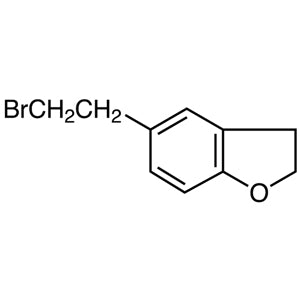
- TCI B4066 127264-14-6 5-(2-Bromoethyl)-2,3-dihydrobenzofuran
- TCI D2336 123266-59-1 5,7-Dibromo-2,3-dihydrobenzofuran
- Pharmaceutical synthesis for the development of new drug candidates due to its bioactive potential and structural versatility.
- Organic chemistry research to explore chemical reactivity and synthetic pathways involving heterocyclic compounds.
- Medicinal chemistry studies aimed at designing compounds with specific pharmacological activities and molecular targets.
- Industrial chemical production for the creation of functional materials and specialty chemicals with unique properties.
- Academic research in chemical sciences to investigate molecular structures and their implications in biological systems.
| Brand | TCI |
|---|---|
| CAS number | 123654-26-2 |
| Molecular formula | — |
| Purity | — |
| Category | Chemistry > Building Blocks > Heterocyclic Building Blocks |
| Pack sizes | — |
| Physical form | — |
| Storage | Store in a cool, dry place away from light and moisture |
This compound should be stored in a cool, dry environment, away from direct light and moisture to maintain its chemical integrity. It is recommended to use airtight containers to prevent exposure to air and humidity, which could lead to degradation. Proper labeling of storage containers is essential for safety and traceability. In laboratory settings, it should be handled with appropriate personal protective equipment, such as gloves and safety goggles, to minimize exposure. While no specific hazards are indicated, standard laboratory safety protocols should be followed to ensure safe handling and storage.
—
Produk Terkait
-
5-Bromo-2,3-dihydrobenzofuran-7-carboxylicAcid TCI B1705
Regular price From Rp 2.199.750,00Regular priceRp 1.554.000,00Sale price From Rp 2.199.750,00 -
4-Chloro-3-ethyl-1-methyl-1H-pyrazole-5-carboxylicAcid TCI C3644
Regular price From Rp 848.400,00Regular priceRp 609.000,00Sale price From Rp 848.400,00 -
5-Chloro-2-(methylthio)pyrimidine-4-carboxylicAcid TCI C2549
Regular price From Rp 822.150,00Regular priceRp 590.100,00Sale price From Rp 822.150,00 -
5-Bromo-2,3-dihydrobenzofuran TCI B4318
Regular price Rp 1.856.400,00Regular priceRp 1.313.550,00Sale price Rp 1.856.400,00 -
5-(2-Bromoethyl)-2,3-dihydrobenzofuran TCI B4066
Regular price From Rp 2.650.200,00Regular priceRp 1.869.000,00Sale price From Rp 2.650.200,00 -
5,7-Dibromo-2,3-dihydrobenzofuran TCI D2336
Regular price Rp 2.121.000,00Regular priceRp 1.498.350,00Sale price Rp 2.121.000,00 -
5-Chlorobenzofuran-2-carboxylicAcid TCI C2890
Regular price Rp 2.359.350,00Regular priceRp 1.665.300,00Sale price Rp 2.359.350,00 -
4-Amino-6-chloro-2-(methylthio)pyrimidine TCI A2848
Regular price Rp 1.776.600,00Regular priceRp 1.257.900,00Sale price Rp 1.776.600,00