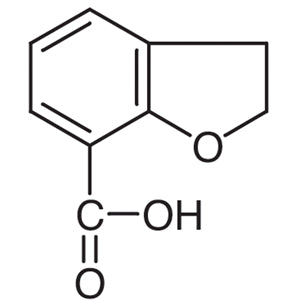
5-Bromo-2,3-dihydrobenzofuran-7-carboxylic Acid is a chemical compound widely used as a building block in the synthesis of complex heterocyclic compounds. Its unique molecular structure, consisting of a hydrogenated benzofuran ring with a carboxylic acid group at position 7, makes it a valuable reagent in organic chemistry. This compound is commonly found in laboratory settings where researchers aim to develop new pharmaceuticals, organic chemicals, and industrial products. Its versatility in chemical reactions allows it to be a key component in various synthetic pathways.
The compound’s high reactivity and ability to participate in substitution, reduction, and oxidation reactions make it a preferred choice for chemists. Its functional groups enable it to interact with a wide range of other molecules, making it suitable for multi-step synthesis processes. The presence of both bromine and carboxylic acid functionalities enhances its utility in creating diverse molecular structures. This makes it an essential tool for those working on complex chemical transformations.
In Indonesian laboratories, 5-Bromo-2,3-dihydrobenzofuran-7-carboxylic Acid is frequently used in scientific research, drug development, and the production of specialty chemicals. Its demand is driven by the need for high-quality building blocks in both academic and industrial settings. Researchers and chemical manufacturers rely on its properties to innovate and improve existing synthetic methods. Its role in advancing chemical synthesis is well recognized in the local scientific community.
Related TCI products
- TCI B4318 66826-78-6 5-Bromo-2,3-dihydrobenzofuran
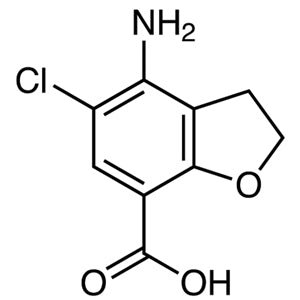
- TCI A2918 123654-26-2 4-Amino-5-chloro-2,3-dihydrobenzofuran-7-carboxylic Acid
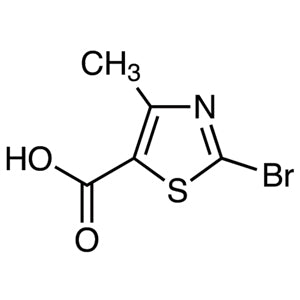
- TCI B5336 40003-41-6 2-Bromo-4-methylthiazole-5-carboxylic Acid
- TCI B3829 50593-92-5 5-Bromo-2-(methylthio)pyrimidine-4-carboxylic Acid
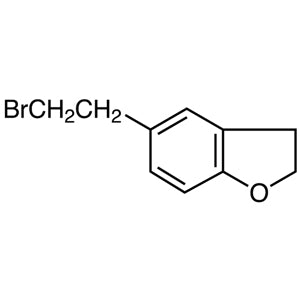
- TCI B4066 127264-14-6 5-(2-Bromoethyl)-2,3-dihydrobenzofuran
- TCI D2336 123266-59-1 5,7-Dibromo-2,3-dihydrobenzofuran
- Pharmaceutical synthesis of compounds requiring heterocyclic frameworks due to its unique benzofuran structure.
- Organic chemistry research for creating complex molecular architectures through functional group manipulation.
- Industrial chemical production where high reactivity and structural versatility are essential for process optimization.
- Drug development projects that require the synthesis of bioactive molecules with specific heterocyclic moieties.
- Academic research focused on exploring new chemical reactions and synthetic methodologies involving heterocyclic compounds.
| Brand | TCI |
|---|---|
| CAS number | 41177-72-4 |
| Molecular formula | — |
| Purity | — |
| Category | Chemistry > Building Blocks > Heterocyclic Building Blocks |
| Pack sizes | Available in various quantities as per supplier specifications |
| Physical form | Solid (exact form may vary based on supplier packaging) |
| Storage | Store in a cool, dry place away from moisture and direct sunlight |
This compound should be stored in a cool, dry environment to maintain its chemical integrity. It is recommended to keep it in a tightly sealed container to prevent exposure to moisture and air. Due to its reactive nature, it should be handled in a well-ventilated laboratory setting. Protective gloves and safety goggles should be worn during handling to ensure personal safety. Avoid contact with incompatible substances such as strong oxidizers or acids. Proper disposal procedures should be followed to comply with environmental and safety regulations.
—
Produk Terkait
-
5-Bromo-2,3-dihydrobenzofuran TCI B4318
Regular price Rp 1.856.400,00Regular priceRp 1.313.550,00Sale price Rp 1.856.400,00 -
4-Amino-5-chloro-2,3-dihydrobenzofuran-7-carboxylicAcid TCI A2918
Regular price From Rp 1.405.950,00Regular priceRp 998.550,00Sale price From Rp 1.405.950,00 -
2-Bromo-4-methylthiazole-5-carboxylicAcid TCI B5336
Regular price Rp 1.590.750,00Regular priceRp 1.127.700,00Sale price Rp 1.590.750,00 -
5-Bromo-2-(methylthio)pyrimidine-4-carboxylicAcid TCI B3829
Regular price From Rp 769.650,00Regular priceRp 553.350,00Sale price From Rp 769.650,00 -
5-(2-Bromoethyl)-2,3-dihydrobenzofuran TCI B4066
Regular price From Rp 2.650.200,00Regular priceRp 1.869.000,00Sale price From Rp 2.650.200,00 -
5,7-Dibromo-2,3-dihydrobenzofuran TCI D2336
Regular price Rp 2.121.000,00Regular priceRp 1.498.350,00Sale price Rp 2.121.000,00 -
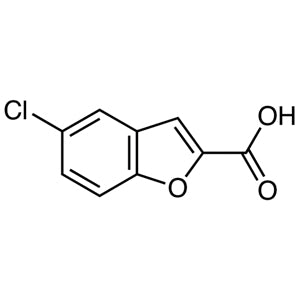
5-Chlorobenzofuran-2-carboxylicAcid TCI C2890
Regular price Rp 2.359.350,00Regular priceRp 1.665.300,00Sale price Rp 2.359.350,00 -
2,3-Dihydrobenzofuran-7-carboxylicAcid TCI D2446
Regular price From Rp 2.571.450,00Regular priceRp 1.813.350,00Sale price From Rp 2.571.450,00