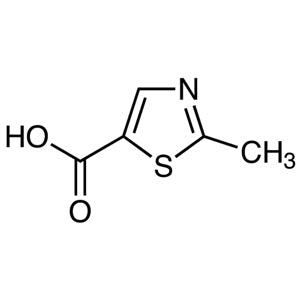
2-Bromo-4-methylthiazole-5-carboxylic Acid is a chemical compound widely used in organic synthesis reactions within laboratory settings. As a heterocyclic building block, it plays a crucial role in the development of complex molecular structures. Its unique chemical structure enables it to participate in various substitution and functionalization reactions, making it a versatile reagent for synthetic chemists. This compound is particularly valuable for researchers aiming to create compounds with specific functionalities, such as pharmaceuticals, industrial chemicals, or specialized materials.
The stability of this compound under controlled conditions, along with its reactivity toward bases, acids, and metals, makes it a preferred choice for laboratory applications. Its ability to undergo multiple chemical transformations enhances its utility in synthetic pathways. The compound's availability and compatibility with a wide range of reagents further contribute to its popularity among chemists. Its ease of handling and predictable behavior in reaction conditions ensure reliable results in experimental processes.
In Indonesian laboratories, this compound is commonly used in research focused on drug development, chemical synthesis, and functional material creation. Its role in generating compounds with specific structural features makes it a key component in both academic and industrial research. The compound's adaptability to various synthetic strategies supports its widespread use across different scientific disciplines in the region.
Related TCI products
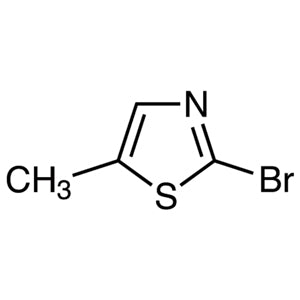
- TCI B4604 41731-23-1 2-Bromo-5-methylthiazole
- TCI E0945 22900-83-0 Ethyl 2-Bromo-4-methylthiazole-5-carboxylate
- TCI B3829 50593-92-5 5-Bromo-2-(methylthio)pyrimidine-4-carboxylic Acid
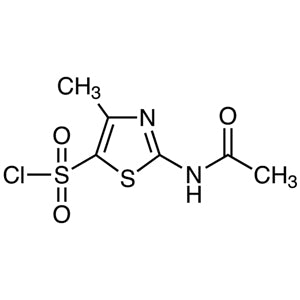
- TCI A3288 69812-29-9 2-Acetamido-4-methylthiazole-5-sulfonyl Chloride
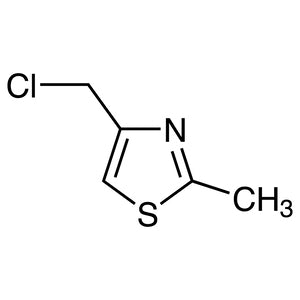
- TCI C3819 39238-07-8 4-(Chloromethyl)-2-methylthiazole
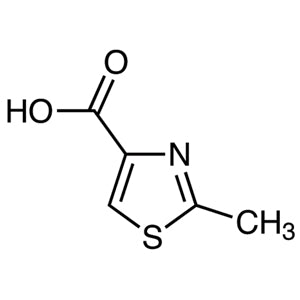
- TCI M2802 35272-15-2 2-Methylthiazole-4-carboxylic Acid
- Drug development research benefits from this compound due to its ability to form complex molecular structures essential for pharmaceutical applications.
- Organic synthesis projects utilize this reagent for its participation in substitution and functionalization reactions, enabling the creation of diverse chemical entities.
- Industrial chemical production relies on this compound for its reactivity with various reagents, supporting the synthesis of specialized materials and compounds.
- Functional material research employs this compound to develop compounds with specific properties, enhancing material performance in various applications.
- Academic research in chemistry leverages this compound for its versatility in synthetic pathways, supporting the exploration of new chemical structures and reactions.
| Brand | TCI |
|---|---|
| CAS number | 40003-41-6 |
| Molecular formula | — |
| Purity | — |
| Category | Chemistry > Building Blocks > Heterocyclic Building Blocks |
| Pack sizes | Available in standard laboratory quantities |
| Physical form | Solid powder |
| Storage | Store in a cool, dry place away from light and moisture |
This compound should be stored in a cool, dry environment, away from direct light and moisture to maintain its chemical stability. It is recommended to use airtight containers to prevent exposure to air and humidity, which could affect its reactivity. Laboratory personnel should handle the compound with appropriate personal protective equipment, such as gloves and safety goggles, to ensure safety during use. Due to its potential reactivity with various substances, it should be stored separately from strong acids, bases, and reactive metals. Proper labeling and storage conditions are essential to prevent accidental contamination or degradation. Regular monitoring of storage conditions will help maintain the compound’s integrity and effectiveness in laboratory applications.
—
Produk Terkait
-
2-Bromo-5-methylthiazole TCI B4604
Regular price From Rp 1.272.600,00Regular priceRp 905.100,00Sale price From Rp 1.272.600,00 -
Ethyl2-Bromo-4-methylthiazole-5-carboxylate TCI E0945
Regular price Rp 769.650,00Regular priceRp 553.350,00Sale price Rp 769.650,00 -
5-Bromo-2-(methylthio)pyrimidine-4-carboxylicAcid TCI B3829
Regular price From Rp 769.650,00Regular priceRp 553.350,00Sale price From Rp 769.650,00 -
2-Acetamido-4-methylthiazole-5-sulfonylChloride TCI A3288
Regular price From Rp 2.147.250,00Regular priceRp 1.517.250,00Sale price From Rp 2.147.250,00 -
4-(Chloromethyl)-2-methylthiazole TCI C3819
Regular price From Rp 2.411.850,00Regular priceRp 1.702.050,00Sale price From Rp 2.411.850,00 -
2-Methylthiazole-4-carboxylicAcid TCI M2802
Regular price From Rp 742.350,00Regular priceRp 534.450,00Sale price From Rp 742.350,00 -
2-Methylthiazole-5-carboxylicAcid TCI M2626
Regular price From Rp 2.173.500,00Regular priceRp 1.535.100,00Sale price From Rp 2.173.500,00