4-(Chloromethyl)-2-methylthiazole from TCI is a heterocyclic building block made of a thiazole ring with a methyl group at the 2-position and a chloromethyl group at the 4-position. The thiazole ring is a heterocyclic core that contains both sulfur and nitrogen atoms. It is found in many drug molecules, natural products, and agrochemicals. In the laboratory, this compound is mainly used as an alkylating agent to attach the 2-methylthiazol-4-ylmethyl unit directly to other molecules, which makes it a useful intermediate in synthetic work.
The chloromethyl group attached to the heteroaromatic ring is electrophilic. It reacts readily with a wide range of nucleophiles, including amines, thiols, phenols, alcohols, and carbanions. Nucleophilic substitution at this position generally proceeds under relatively simple conditions, so researchers can prepare new derivatives quickly without complex reaction setups. The methyl group at the 2-position gives the ring additional stability, which makes this fragment attractive in the design of bioactive molecules. Together, these features make the compound a dependable choice for introducing a thiazole motif.
For Indonesian laboratories, especially those working in medicinal chemistry, pharmaceutical research, and agrochemical synthesis, this compound is a practical way to speed up the preparation of thiazole-containing analog series. University research groups, pharmaceutical development teams, and synthetic chemistry laboratories can use it to explore structure-activity relationships by attaching the same thiazole fragment to different molecular scaffolds. It is available in 1g and 5g packs, which suit both small exploratory reactions and larger preparative work.
Related TCI products
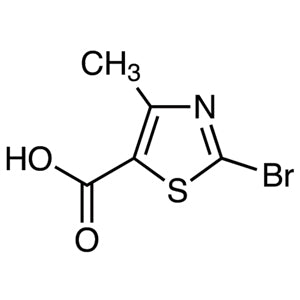
- TCI B5336 40003-41-6 2-Bromo-4-methylthiazole-5-carboxylic Acid
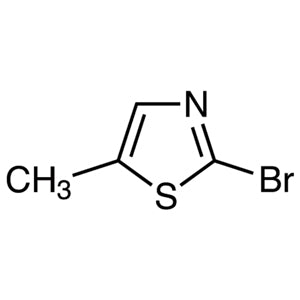
- TCI B4604 41731-23-1 2-Bromo-5-methylthiazole
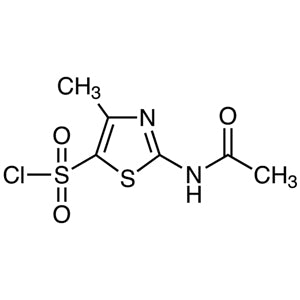
- TCI A3288 69812-29-9 2-Acetamido-4-methylthiazole-5-sulfonyl Chloride
- TCI E0945 22900-83-0 Ethyl 2-Bromo-4-methylthiazole-5-carboxylate
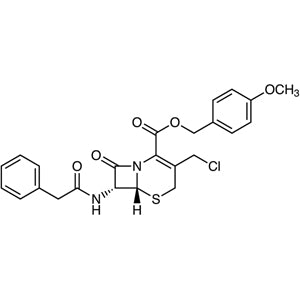
- TCI M2411 104146-10-3 4-Methoxybenzyl 3-Chloromethyl-7-(2-phenylacetamido)-3-cephem-4-carboxylate
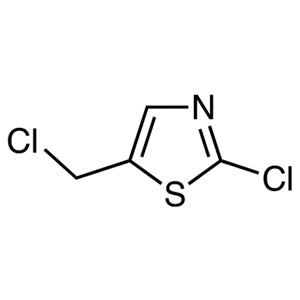
- TCI C3295 105827-91-6 2-Chloro-5-(chloromethyl)thiazole
- Introducing the 2-methylthiazol-4-ylmethyl unit: the reactive chloromethyl group allows this fragment to be attached directly to target molecules in a single alkylation step.
- N-alkylation of amines: the electrophilic chloromethyl carbon reacts with primary and secondary amines, giving thiazole-containing amine derivatives for medicinal chemistry studies.
- S- and O-alkylation of thiols, phenols, and alcohols: its reactivity toward these nucleophiles lets researchers build thioethers and ethers carrying the thiazole ring under relatively simple conditions.
- Analog series synthesis for structure-activity studies: chemists can attach the same thiazole fragment to many scaffolds quickly, which makes it easier to compare bioactivity across a series of compounds.
- Agrochemical and natural-product-inspired research: the thiazole core appears in agrochemicals and natural products, so this building block helps prepare related structures for screening and further development.
| Brand | TCI (product code C3819) |
|---|---|
| CAS number | 39238-07-8 |
| Molecular formula | — |
| Purity | — |
| Category | Chemistry > Building Blocks > Heterocyclic Building Blocks |
| Pack sizes | 1g and 5g |
| Physical form | — |
| Storage | follow the storage conditions on the product label and Safety Data Sheet (SDS) |
Store this compound in its original, tightly closed container in a cool, dry, well-ventilated area, away from moisture, heat sources, and incompatible materials such as strong bases, strong oxidizers, and nucleophilic reagents. Always follow the storage conditions on the TCI label and SDS. Because the chloromethyl group is a reactive alkylating functionality, handle the material in a fume hood. Wear chemical-resistant gloves, safety glasses, and a lab coat, and avoid inhaling it or letting it touch your skin or eyes. Reseal the container promptly after use, label any portions you transfer, and dispose of residues and contaminated materials according to your institution's chemical waste procedures.
—
Produk Terkait
-
2-Bromo-4-methylthiazole-5-carboxylicAcid TCI B5336
Regular price Rp 1.590.750,00Regular priceRp 1.127.700,00Sale price Rp 1.590.750,00 -
2-Bromo-5-methylthiazole TCI B4604
Regular price From Rp 1.272.600,00Regular priceRp 905.100,00Sale price From Rp 1.272.600,00 -
2-Acetamido-4-methylthiazole-5-sulfonylChloride TCI A3288
Regular price From Rp 2.147.250,00Regular priceRp 1.517.250,00Sale price From Rp 2.147.250,00 -
Ethyl2-Bromo-4-methylthiazole-5-carboxylate TCI E0945
Regular price Rp 769.650,00Regular priceRp 553.350,00Sale price Rp 769.650,00 -
4-Methoxybenzyl3-Chloromethyl-7-(2-phenylacetamido)-3-cephem-4-carboxylate TCI M2411
Regular price From Rp 610.050,00Regular priceRp 442.050,00Sale price From Rp 610.050,00 -
2-Chloro-5-(chloromethyl)thiazole TCI C3295
Regular price From Rp 530.250,00Regular priceRp 386.400,00Sale price From Rp 530.250,00 -
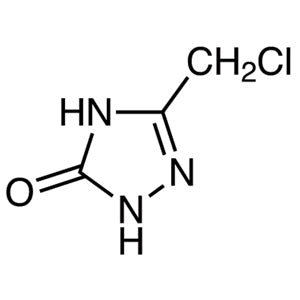
3-(Chloromethyl)-1,2,4-triazolin-5-one TCI C3094
Regular price From Rp 795.900,00Regular priceRp 572.250,00Sale price From Rp 795.900,00 -
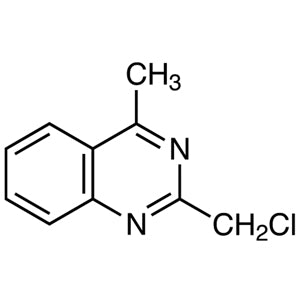
2-(Chloromethyl)-4-methylquinazoline TCI C2928
Regular price From Rp 530.250,00Regular priceRp 386.400,00Sale price From Rp 530.250,00