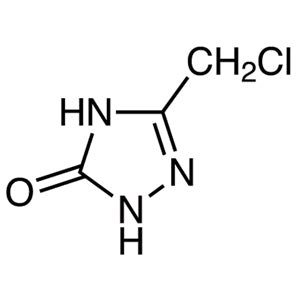
3-(Chloromethyl)-1,2,4-triazolin-5-one is a chemical compound widely used in laboratory settings as a building block for the synthesis of complex heterocyclic compounds. This molecule contains a triazolin ring functionalized with a chloromethyl group, making it a versatile intermediate in organic chemistry. Its unique structure allows it to participate in various chemical reactions, including substitution and cyclization processes, which are essential in the development of new chemical entities. In research laboratories, it serves as a key reagent for the creation of bioactive molecules with potential applications in pharmaceutical and biochemical research.
The compound is valued for its chemical stability and high reactivity, which are critical factors in its use as a synthetic precursor. Its ability to react with amines, carboxylic acids, and alcohols makes it a preferred choice for synthesizing a wide range of heterocyclic structures. The molecule’s compatibility with both polar and non-polar solvents further enhances its utility in diverse reaction conditions. These properties make it an essential tool for chemists working on the development of new drugs and bioactive compounds.
In Indonesian laboratories, this compound is extensively used in chemical, pharmaceutical, and biochemical research. It is a common component in studies aimed at creating new compounds with medical or industrial applications. Its availability and performance make it a reliable choice for researchers seeking to explore the synthesis of complex molecules with specific biological activities.
Related TCI products
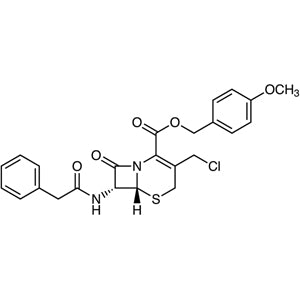
- TCI M2411 104146-10-3 4-Methoxybenzyl 3-Chloromethyl-7-(2-phenylacetamido)-3-cephem-4-carboxylate
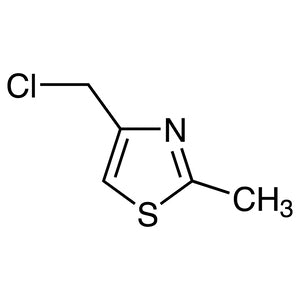
- TCI C3819 39238-07-8 4-(Chloromethyl)-2-methylthiazole
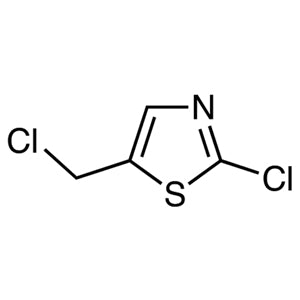
- TCI C3295 105827-91-6 2-Chloro-5-(chloromethyl)thiazole
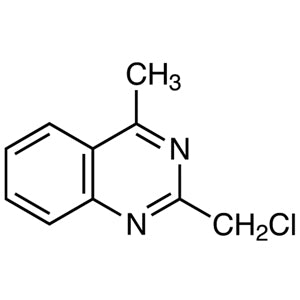
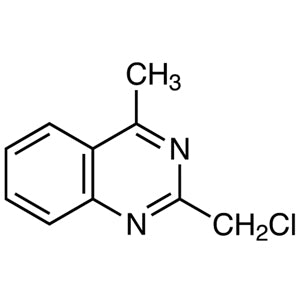
- TCI C2928 109113-72-6 2-(Chloromethyl)-4-methylquinazoline
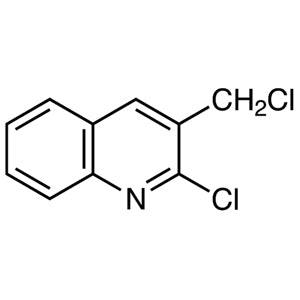
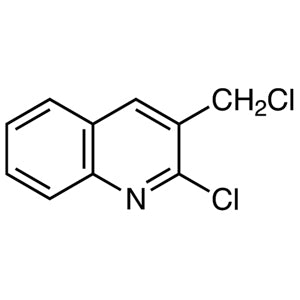
- TCI C2861 90097-52-2 2-Chloro-3-(chloromethyl)quinoline
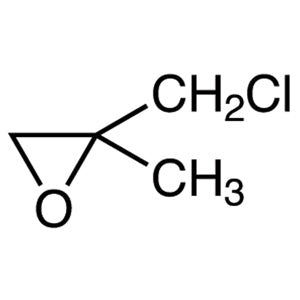
- TCI C2584 598-09-4 2-(Chloromethyl)-1,2-epoxypropane
- Organic synthesis of heterocyclic compounds due to its reactive chloromethyl group and triazolin ring structure.
- Development of bioactive molecules for pharmaceutical research as it can undergo substitution and cyclization reactions.
- Synthesis of complex chemical structures in biochemical studies due to its compatibility with various reagents and solvents.
- Research in medicinal chemistry for the creation of new drug candidates with specific biological activities.
- Use in academic and industrial laboratories for the exploration of novel chemical reactions and molecular designs.
| Brand | TCI |
|---|---|
| CAS number | 252742-72-6 |
| Molecular formula | — |
| Purity | — |
| Category | Chemistry > Building Blocks > Heterocyclic Building Blocks |
| Pack sizes | Available in standard laboratory quantities |
| Physical form | Solid or crystalline, depending on the batch |
| Storage | Store in a cool, dry place away from direct sunlight |
This compound should be stored in a cool, dry environment, away from direct sunlight and sources of heat. It is recommended to keep it in a sealed container to prevent moisture absorption and contamination. Due to its reactivity, it should be handled in a well-ventilated area, preferably under a fume hood. Appropriate personal protective equipment, such as gloves and safety goggles, should be worn when handling the material. The compound is not flammable but may react with certain substances, so it should be stored separately from incompatible materials. Regular monitoring of storage conditions is advised to ensure the integrity and safety of the compound in the laboratory.
—
Produk Terkait
-
4-Methoxybenzyl3-Chloromethyl-7-(2-phenylacetamido)-3-cephem-4-carboxylate TCI M2411
Regular price From Rp 557.550,00Regular price -
4-(Chloromethyl)-2-methylthiazole TCI C3819
Regular price From Rp 2.359.350,00Regular price -
2-Chloro-5-(chloromethyl)thiazole TCI C3295
Regular price From Rp 477.750,00Regular price -
2-(Chloromethyl)-4-methylquinazoline TCI C2928
Regular price From Rp 477.750,00Regular price -
2-Chloro-3-(chloromethyl)quinoline TCI C2861
Regular price From Rp 2.094.750,00Regular price -
2-(Chloromethyl)-1,2-epoxypropane TCI C2584
Regular price Rp 1.565.550,00Regular price -
4-(Chloromethyl)-3,5-dimethylisoxazole TCI C2282
Regular price From Rp 875.700,00Regular price -
2-(Chloromethyl)-3,4-dimethoxypyridineHydrochloride TCI C2073
Regular price From Rp 1.035.300,00Regular price