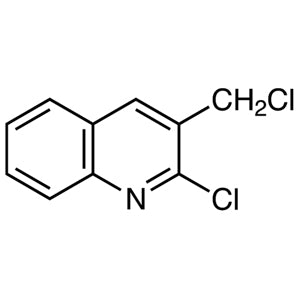
2-Chloro-3-(chloromethyl)quinoline is a versatile organic compound widely utilized in laboratory settings for its unique reactivity and structural complexity. As a heterocyclic building block, it plays a crucial role in the synthesis of various complex molecules, particularly in organic chemistry and pharmaceutical research. Its quinoline core, modified with chloro groups at specific positions, allows for diverse chemical transformations, making it an essential tool for researchers aiming to develop new compounds with biological activity. This compound is frequently employed in the creation of bioactive molecules, including potential drug candidates, due to its ability to participate in multiple reaction pathways.
The compound's high reactivity and structural versatility make it a preferred choice for synthetic chemists. Its ability to undergo nucleophilic substitution and electrophilic reactions enables the formation of a wide range of derivatives, which are valuable in drug discovery and chemical synthesis. The presence of multiple reactive sites enhances its utility in multi-step synthesis processes, allowing for the construction of complex molecular frameworks. Additionally, its stability under controlled conditions ensures that it remains a reliable reagent for consistent experimental outcomes.
In Indonesian laboratories, 2-Chloro-3-(chloromethyl)quinoline is commonly used in organic chemistry research, especially in pharmacological studies and the development of bioactive compounds. Researchers in Indonesia rely on this compound for its role in synthesizing molecules with therapeutic potential. Its availability and ease of handling make it a practical choice for both academic and industrial research applications.
Related TCI products
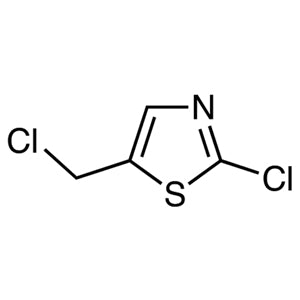
- TCI C3295 105827-91-6 2-Chloro-5-(chloromethyl)thiazole
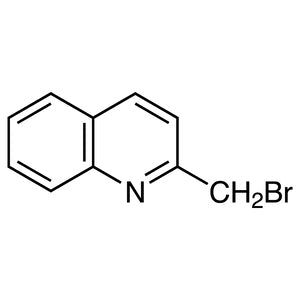
- TCI B6387 5632-15-5 2-(Bromomethyl)quinoline
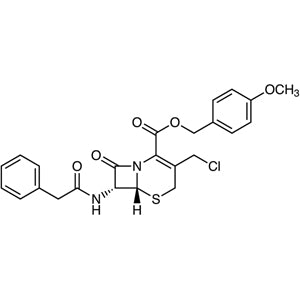
- TCI M2411 104146-10-3 4-Methoxybenzyl 3-Chloromethyl-7-(2-phenylacetamido)-3-cephem-4-carboxylate
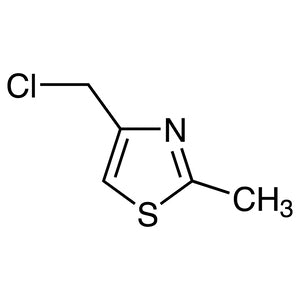
- TCI C3819 39238-07-8 4-(Chloromethyl)-2-methylthiazole
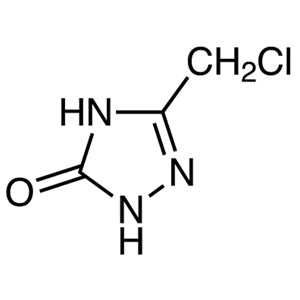
- TCI C3094 252742-72-6 3-(Chloromethyl)-1,2,4-triazolin-5-one
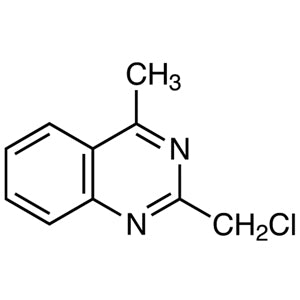
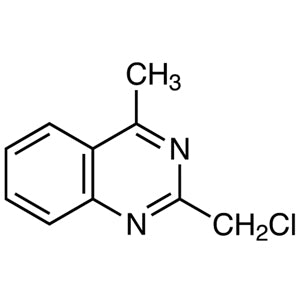
- TCI C2928 109113-72-6 2-(Chloromethyl)-4-methylquinazoline
- Organic synthesis applications benefit from its reactivity and structural versatility, enabling the creation of complex heterocyclic compounds.
- Pharmaceutical research utilizes this compound to develop new drug candidates with bioactive properties due to its ability to undergo various chemical transformations.
- Bioactive compound development relies on its capacity to participate in multiple synthetic pathways, aiding in the design of molecules with therapeutic potential.
- Academic research in chemistry leverages its use as a key building block for exploring new synthetic methodologies and molecular structures.
- Industrial chemical synthesis incorporates this compound for the production of specialized chemicals with unique functional properties.
| Brand | TCI |
|---|---|
| CAS number | 90097-52-2 |
| Molecular formula | — |
| Purity | — |
| Category | Chemistry > Building Blocks > Heterocyclic Building Blocks |
| Pack sizes | Available in various quantities as per standard laboratory supply |
| Physical form | Solid |
| Storage | Store in a cool, dry place away from light and incompatible materials |
This compound should be stored in a cool, dry environment, away from direct sunlight and sources of heat. It is recommended to use airtight containers made of materials resistant to chemical reactions, such as glass or high-density polyethylene. Due to its potential reactivity, it should be handled with care, using appropriate personal protective equipment like gloves and safety goggles. Avoid contact with incompatible substances, such as strong oxidizers or bases, to prevent unintended chemical reactions. Proper labeling and storage conditions are essential to maintain its stability and ensure safe laboratory practices.
—
Produk Terkait
-
2-Chloro-5-(chloromethyl)thiazole TCI C3295
Regular price From Rp 477.750,00Regular price -
2-(Bromomethyl)quinoline TCI B6387
Regular price Rp 2.969.400,00Regular price -
4-Methoxybenzyl3-Chloromethyl-7-(2-phenylacetamido)-3-cephem-4-carboxylate TCI M2411
Regular price From Rp 557.550,00Regular price -
4-(Chloromethyl)-2-methylthiazole TCI C3819
Regular price From Rp 2.359.350,00Regular price -
3-(Chloromethyl)-1,2,4-triazolin-5-one TCI C3094
Regular price From Rp 743.400,00Regular price -
2-(Chloromethyl)-4-methylquinazoline TCI C2928
Regular price From Rp 477.750,00Regular price -
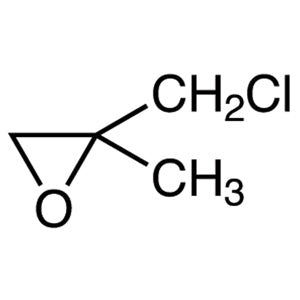
2-(Chloromethyl)-1,2-epoxypropane TCI C2584
Regular price Rp 1.565.550,00Regular price -
4-(Chloromethyl)-3,5-dimethylisoxazole TCI C2282
Regular price From Rp 875.700,00Regular price