4-Methoxybenzyl 3-Chloromethyl-7-(2-phenylacetamido)-3-cephem-4-carboxylate is a complex chemical compound used in the synthesis of heterocyclic compounds. This material plays a crucial role in laboratory settings, particularly in organic chemistry and pharmaceutical research. Its unique molecular structure, derived from cephem, a derivative of cephalosporanic acid, makes it a valuable building block for developing new compounds with specific biological activities. Due to its structural complexity and reactivity, it is widely used in advanced chemical synthesis processes.
The compound's high reactivity and specificity make it a preferred choice for chemical reactions requiring precise functional group modifications. Its ability to participate in various synthetic pathways allows researchers to design and synthesize complex molecules efficiently. The presence of multiple functional groups, including chloromethyl and phenylacetamido, enhances its versatility in chemical transformations. These properties make it an essential reagent for those working on drug development and molecular design.
In Indonesian laboratories, this compound is commonly used in pharmaceutical and organic chemistry research. It is particularly relevant for studies involving the development of new drugs and the investigation of biological activities of chemical compounds. Its availability through AMI Scientific ensures that researchers can access this material for their experimental needs, supporting ongoing scientific advancements.
Related TCI products
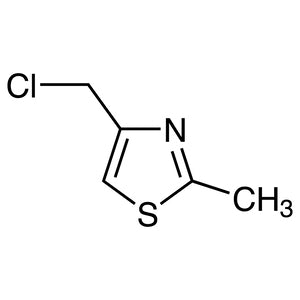
- TCI C3819 39238-07-8 4-(Chloromethyl)-2-methylthiazole
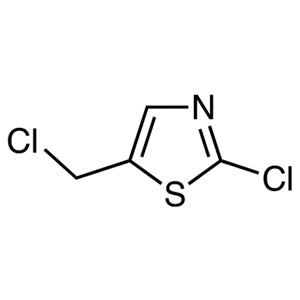
- TCI C3295 105827-91-6 2-Chloro-5-(chloromethyl)thiazole
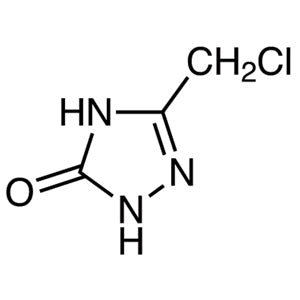
- TCI C3094 252742-72-6 3-(Chloromethyl)-1,2,4-triazolin-5-one
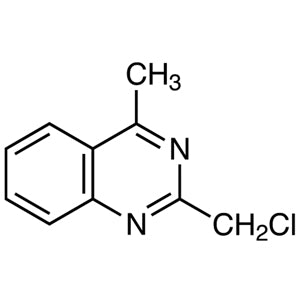
- TCI C2928 109113-72-6 2-(Chloromethyl)-4-methylquinazoline
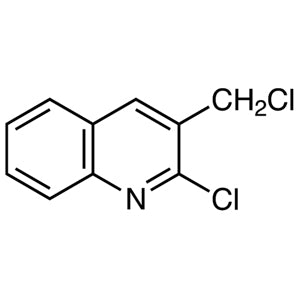
- TCI C2861 90097-52-2 2-Chloro-3-(chloromethyl)quinoline
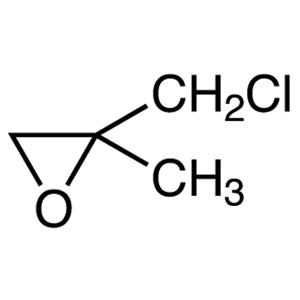
- TCI C2584 598-09-4 2-(Chloromethyl)-1,2-epoxypropane
- Pharmaceutical research utilizes this compound for the synthesis of novel antibiotics due to its cephem-based structure.
- Organic chemistry experiments benefit from its reactivity and functional group versatility for complex molecule construction.
- Drug development projects leverage its ability to participate in targeted chemical modifications and scaffold-based synthesis.
- Bioactive compound studies employ it to explore new therapeutic agents with specific biological activities.
- Academic research institutions use it for teaching and experimental purposes in advanced chemical synthesis courses.
| Brand | TCI |
|---|---|
| CAS number | 104146-10-3 |
| Molecular formula | — |
| Purity | — |
| Category | Chemistry > Building Blocks > Heterocyclic Building Blocks |
| Pack sizes | — |
| Physical form | — |
| Storage | Store in a cool, dry place away from light and moisture |
This compound should be stored in a cool, dry environment, away from direct light and moisture. It is recommended to use airtight containers to prevent exposure to air and humidity, which may affect its stability. Due to its chemical complexity, it is important to handle it with appropriate personal protective equipment, such as gloves and safety goggles, to ensure laboratory safety. Proper ventilation should be maintained when working with this material to minimize inhalation risks. It is advisable to keep it in a designated chemical storage area to prevent accidental contamination or exposure. Always follow standard laboratory safety protocols when handling and storing reactive chemical compounds.
—
Product Categories
Produk Terkait
-
4-(Chloromethyl)-2-methylthiazole TCI C3819
Regular price From Rp 2.411.850,00Regular priceRp 1.702.050,00Sale price From Rp 2.411.850,00 -
2-Chloro-5-(chloromethyl)thiazole TCI C3295
Regular price From Rp 530.250,00Regular priceRp 386.400,00Sale price From Rp 530.250,00 -
3-(Chloromethyl)-1,2,4-triazolin-5-one TCI C3094
Regular price From Rp 795.900,00Regular priceRp 572.250,00Sale price From Rp 795.900,00 -
2-(Chloromethyl)-4-methylquinazoline TCI C2928
Regular price From Rp 530.250,00Regular priceRp 386.400,00Sale price From Rp 530.250,00 -
2-Chloro-3-(chloromethyl)quinoline TCI C2861
Regular price From Rp 2.147.250,00Regular priceRp 1.517.250,00Sale price From Rp 2.147.250,00 -
2-(Chloromethyl)-1,2-epoxypropane TCI C2584
Regular price Rp 1.565.550,00Regular priceRp 1.094.100,00Sale price Rp 1.565.550,00 -
4-(Chloromethyl)-3,5-dimethylisoxazole TCI C2282
Regular price From Rp 928.200,00Regular priceRp 664.650,00Sale price From Rp 928.200,00