2-(Chloromethyl)-1,2-epoxypropane is a chemical compound widely used as a building block in the synthesis of complex organic compounds. Its reactive epoxy group enables it to participate in various chemical reactions, making it a versatile reagent in laboratory settings. This compound is particularly valuable for researchers working on organic synthesis, as it can be modified through substitution and addition reactions to create a wide range of functional molecules. Due to its chemical reactivity, it plays a crucial role in the development of new materials and pharmaceuticals.
The compound's reactivity stems from the presence of both an epoxy group and a chloromethyl group, which together provide multiple sites for chemical modification. These functional groups allow it to react with a variety of other compounds, such as amines, alcohols, and carboxylic acids. This versatility makes it a preferred choice for chemists seeking to design and synthesize new compounds with specific properties. Its ability to engage in multiple reaction pathways enhances its utility in both academic and industrial research.
In Indonesian laboratories, 2-(Chloromethyl)-1,2-epoxypropane is commonly used in organic chemistry research, particularly in universities and research institutions focused on the synthesis of new compounds. It is also a key reagent in the development of pharmaceuticals and industrial chemicals. Its widespread application in these contexts highlights its importance as a fundamental building block in chemical research.
Related TCI products
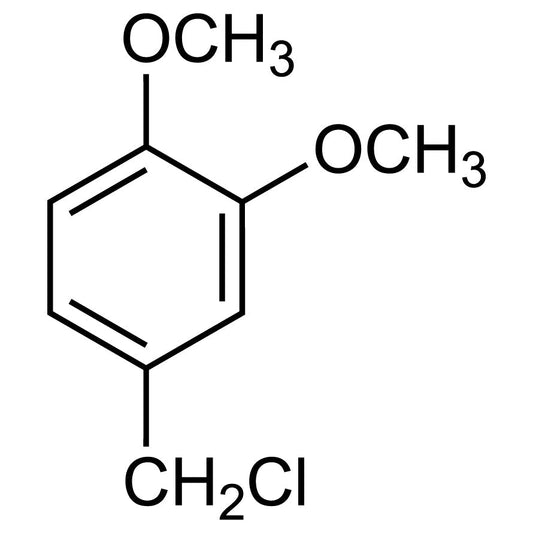
- TCI V0211 7306-46-9 4-(Chloromethyl)-1,2-dimethoxybenzene
- TCI B2649 1379163-23-1 2,6-Bis(chloromethyl)-1,4-dimethoxybenzene
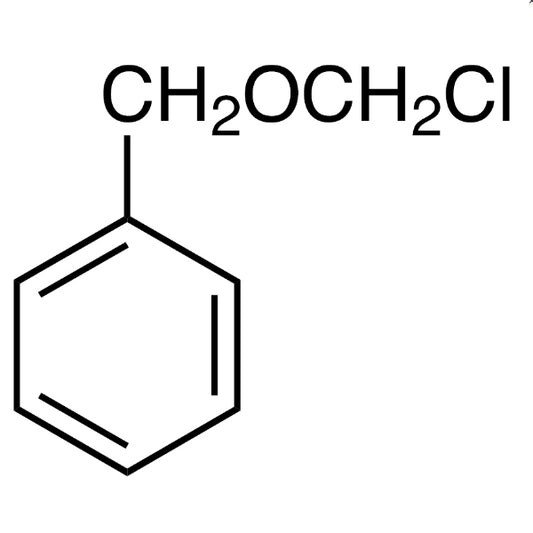
- TCI B1207 3587-60-8 Benzyl Chloromethyl Ether
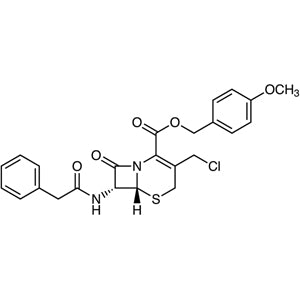
- TCI M2411 104146-10-3 4-Methoxybenzyl 3-Chloromethyl-7-(2-phenylacetamido)-3-cephem-4-carboxylate
- TCI C3982 23731-06-8 5-(Chloromethyl)-2-hydroxybenzaldehyde
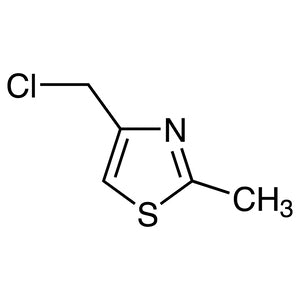
- TCI C3819 39238-07-8 4-(Chloromethyl)-2-methylthiazole
- Organic synthesis applications benefit from this compound's reactive epoxy and chloromethyl groups, allowing for versatile molecular modifications.
- Pharmaceutical research utilizes its reactivity to develop new drug molecules through targeted chemical transformations.
- Industrial chemical production relies on its ability to participate in various reactions, contributing to the creation of specialty chemicals.
- Academic research in chemistry laboratories uses it as a fundamental building block for teaching and experimental purposes.
- Material science studies incorporate it in the development of new polymers and functional materials through controlled chemical reactions.
| Brand | TCI |
|---|---|
| CAS number | 598-09-4 |
| Molecular formula | — |
| Purity | — |
| Category | Chemistry > Building Blocks > Non-Heterocyclic Building Blocks |
| Pack sizes | Available in various quantities as per supplier specifications |
| Physical form | Liquid |
| Storage | Store in a cool, dry place away from light and incompatible materials |
This compound should be stored in a cool, dry place, away from direct sunlight and sources of heat. It is recommended to keep it in a tightly sealed container to prevent exposure to air and moisture. Due to its reactive nature, it should be handled in a well-ventilated area, preferably under a fume hood. Avoid contact with incompatible materials such as strong bases or oxidizing agents. Always use appropriate personal protective equipment, including gloves and safety goggles, when handling this compound. Proper storage and handling are essential to maintain its chemical integrity and ensure safe laboratory practices.
—
Produk Terkait
-
4-(Chloromethyl)-1,2-dimethoxybenzene TCI V0211
Regular price Rp 2.359.350,00Regular price -
2,6-Bis(chloromethyl)-1,4-dimethoxybenzene TCI B2649
Regular price Rp 3.075.450,00Regular price -
BenzylChloromethylEther TCI B1207
Regular price From Rp 1.353.450,00Regular price -
4-Methoxybenzyl3-Chloromethyl-7-(2-phenylacetamido)-3-cephem-4-carboxylate TCI M2411
Regular price From Rp 557.550,00Regular price -
5-(Chloromethyl)-2-hydroxybenzaldehyde TCI C3982
Regular price From Rp 1.565.550,00Regular price -
4-(Chloromethyl)-2-methylthiazole TCI C3819
Regular price From Rp 2.359.350,00Regular price -
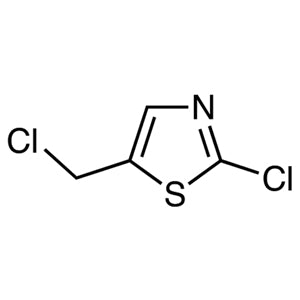
2-Chloro-5-(chloromethyl)thiazole TCI C3295
Regular price From Rp 477.750,00Regular price -
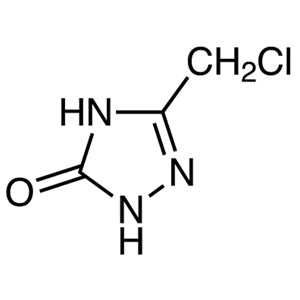
3-(Chloromethyl)-1,2,4-triazolin-5-one TCI C3094
Regular price From Rp 743.400,00Regular price