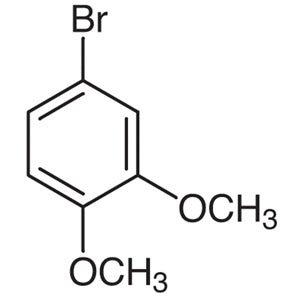
2,6-Bis(chloromethyl)-1,4-dimethoxybenzene is a chemical compound widely used in organic synthesis as a building block for creating complex molecular structures. Its aromatic ring, substituted with chloromethyl groups at positions 2 and 6, and methoxy groups at positions 1 and 4, makes it a versatile reagent in laboratory settings. This compound is essential for researchers aiming to develop new compounds in pharmaceutical, industrial, and academic fields. Its chemical stability and controlled reactivity allow it to be used in a variety of synthetic pathways, making it a valuable asset in modern chemical laboratories.
The compound's chemical properties, including its aromatic structure and functional groups, make it a preferred choice for chemists. Its ability to undergo nucleophilic or electrophilic reactions enables the synthesis of more complex molecules with high precision. The presence of both chloromethyl and methoxy groups provides multiple reactive sites, allowing for diverse chemical transformations. Its solid form and ease of handling further enhance its practicality in laboratory environments, ensuring consistent results and efficient use in research processes.
In Indonesian laboratories, 2,6-Bis(chloromethyl)-1,4-dimethoxybenzene is commonly used in organic chemistry research, particularly in academic institutions and research centers. It plays a key role in the development of new compounds, especially in projects focused on synthetic chemistry. Its availability and reliability make it a standard reagent in chemical synthesis, supporting both educational and industrial research activities.
Related TCI products
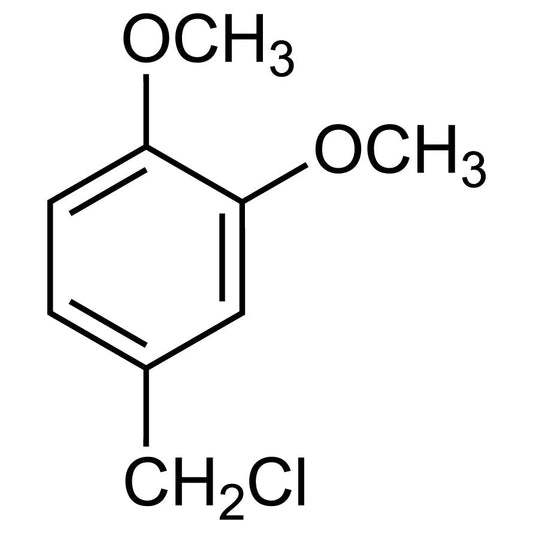
- TCI V0211 7306-46-9 4-(Chloromethyl)-1,2-dimethoxybenzene
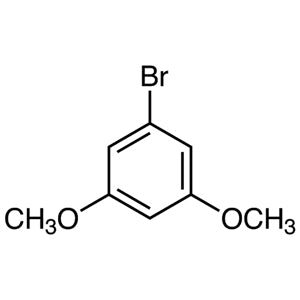
- TCI B3848 20469-65-2 1-Bromo-3,5-dimethoxybenzene
- TCI B3488 16932-45-9 2-Bromo-1,3-dimethoxybenzene
- TCI B2618 78840-04-7 2,6-Bis(hydroxymethyl)-1,4-dimethoxybenzene
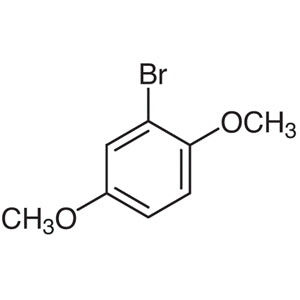
- TCI B1979 25245-34-5 1-Bromo-2,5-dimethoxybenzene
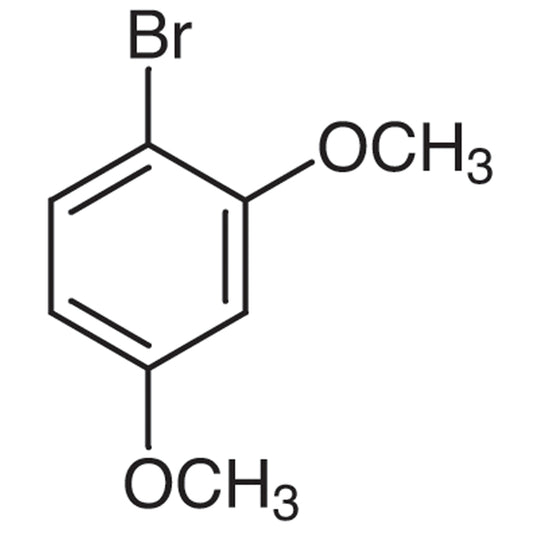
- TCI B1481 17715-69-4 1-Bromo-2,4-dimethoxybenzene
- Organic synthesis projects benefit from this compound due to its reactivity and structural versatility, enabling the creation of complex molecules with high precision.
- Pharmaceutical research utilizes this compound as a building block for developing new drug candidates, leveraging its functional groups for targeted chemical modifications.
- Industrial chemical production incorporates this material in the synthesis of specialty chemicals, where controlled reactivity is essential for consistent product quality.
- Academic research in chemistry relies on this compound for teaching and experimental purposes, providing students with hands-on experience in synthetic techniques.
- Intermediates manufacturing uses this compound as a key reagent in the production of intermediate compounds used in various chemical applications.
| Brand | TCI |
|---|---|
| CAS number | 1379163-23-1 |
| Molecular formula | — |
| Purity | — |
| Category | Chemistry > Building Blocks > Non-Heterocyclic Building Blocks |
| Pack sizes | Available in various quantities as per supplier specifications |
| Physical form | Solid |
| Storage | Store in a cool, dry place away from light and moisture |
This compound should be stored in a cool, dry environment, away from direct light and moisture to maintain its chemical integrity. It is recommended to use airtight containers to prevent exposure to air and humidity, which could affect its stability. Due to its chemical nature, it should be handled with appropriate personal protective equipment, such as gloves and safety goggles, to ensure laboratory safety. Proper ventilation is also essential when working with this material to minimize inhalation risks. Regular inspection of storage conditions is advised to ensure optimal preservation and safe usage in laboratory settings.
—
Produk Terkait
-
4-(Chloromethyl)-1,2-dimethoxybenzene TCI V0211
Regular price Rp 2.359.350,00Regular priceRp 1.649.550,00Sale price Rp 2.359.350,00 -
1-Bromo-3,5-dimethoxybenzene TCI B3848
Regular price From Rp 795.900,00Regular priceRp 556.500,00Sale price From Rp 795.900,00 -
2-Bromo-1,3-dimethoxybenzene TCI B3488
Regular price From Rp 823.200,00Regular priceRp 575.400,00Sale price From Rp 823.200,00 -
2,6-Bis(hydroxymethyl)-1,4-dimethoxybenzene TCI B2618
Regular price Rp 2.837.100,00Regular priceRp 1.983.450,00Sale price Rp 2.837.100,00 -
1-Bromo-2,5-dimethoxybenzene TCI B1979
Regular price From Rp 2.439.150,00Regular priceRp 1.705.200,00Sale price From Rp 2.439.150,00 -
1-Bromo-2,4-dimethoxybenzene TCI B1481
Regular price Rp 717.150,00Regular priceRp 500.850,00Sale price Rp 717.150,00 -
4-Bromo-1,2-dimethoxybenzene TCI B1021
Regular price Rp 1.856.400,00Regular priceRp 1.297.800,00Sale price Rp 1.856.400,00 -
4-(1-Propenyl)-1,2-dimethoxybenzene TCI P1103
Regular price From Rp 610.050,00Regular priceRp 426.300,00Sale price From Rp 610.050,00