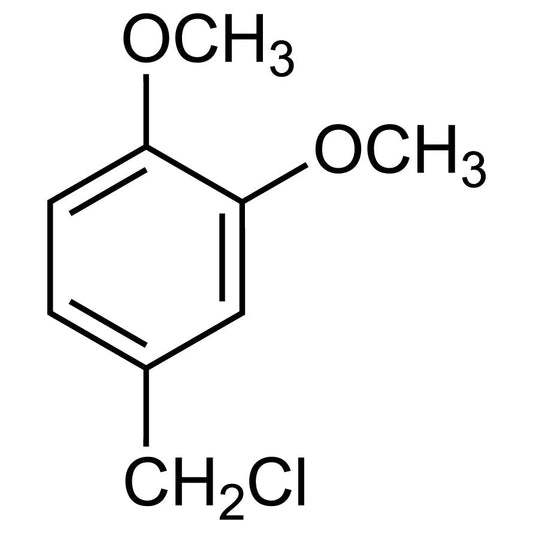
2-Bromo-1,3-dimethoxybenzene is a chemical compound widely used as a foundational building block in the synthesis of complex organic molecules. It plays a crucial role in laboratory settings where researchers aim to develop new compounds, including pharmaceuticals, industrial chemicals, and synthetic organic materials. Its versatility makes it an essential component in various chemical reactions, particularly those involving aromatic structures and heterocyclic compounds. This compound is valued for its stability and reactivity, enabling it to participate in a wide range of chemical transformations.
The compound’s aromatic structure and the presence of bromo and dimethoxy groups contribute to its high reactivity in substitution and electrophilic reactions. These functional groups allow for diverse chemical modifications, making it a preferred choice for chemists seeking to create complex molecular architectures. Its chemical stability under controlled conditions also simplifies handling and storage, enhancing its usability in both academic and industrial research environments.
In Indonesian laboratories, 2-Bromo-1,3-dimethoxybenzene is commonly used in organic synthesis experiments, particularly in the development of new pharmaceutical compounds and specialty chemicals. Its availability and reliability make it a standard reagent in chemical research, supporting both teaching and applied research activities. The compound’s role in creating structurally varied molecules ensures its continued relevance in the field of synthetic chemistry.
Related TCI products
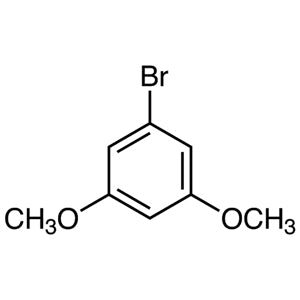
- TCI B3848 20469-65-2 1-Bromo-3,5-dimethoxybenzene
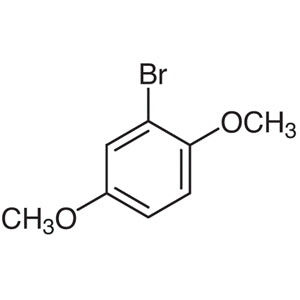
- TCI B1979 25245-34-5 1-Bromo-2,5-dimethoxybenzene
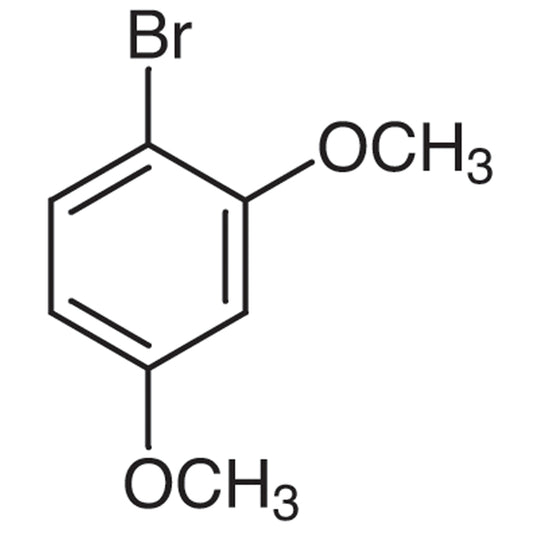
- TCI B1481 17715-69-4 1-Bromo-2,4-dimethoxybenzene
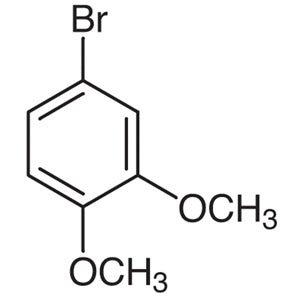
- TCI B1021 2859-78-1 4-Bromo-1,2-dimethoxybenzene
- TCI V0211 7306-46-9 4-(Chloromethyl)-1,2-dimethoxybenzene
- TCI B2649 1379163-23-1 2,6-Bis(chloromethyl)-1,4-dimethoxybenzene
- Organic synthesis of pharmaceutical compounds due to its reactivity and structural versatility in creating complex molecules.
- Development of industrial chemicals through its participation in substitution and electrophilic reactions.
- Synthesis of heterocyclic compounds as a key building block for aromatic ring modifications.
- Research in synthetic organic chemistry for structural variations and functional group substitutions.
- Educational use in teaching advanced chemical reaction mechanisms and molecular design principles.
| Brand | TCI |
|---|---|
| CAS number | 16932-45-9 |
| Molecular formula | — |
| Purity | — |
| Category | Chemistry > Building Blocks > Non-Heterocyclic Building Blocks |
| Pack sizes | Available in standard laboratory quantities as per supplier specifications |
| Physical form | Liquid or crystalline, depending on purity and storage conditions |
| Storage | Store in a cool, dry place away from light and incompatible substances |
This compound should be stored in a cool, dry environment, away from direct sunlight and sources of heat. It is recommended to use airtight containers made of glass or high-density polyethylene to prevent contamination and maintain stability. Due to its chemical reactivity, it should be handled in a well-ventilated area, preferably under a fume hood, to minimize exposure. Avoid contact with incompatible substances such as strong oxidizers or acids. Always wear appropriate personal protective equipment, including gloves, goggles, and a lab coat, when handling this material. Proper labeling of containers is essential to ensure safe handling and storage in laboratory settings.
—
Produk Terkait
-
1-Bromo-3,5-dimethoxybenzene TCI B3848
Regular price From Rp 795.900,00Regular priceRp 556.500,00Sale price From Rp 795.900,00 -
1-Bromo-2,5-dimethoxybenzene TCI B1979
Regular price From Rp 2.439.150,00Regular priceRp 1.705.200,00Sale price From Rp 2.439.150,00 -
1-Bromo-2,4-dimethoxybenzene TCI B1481
Regular price Rp 717.150,00Regular priceRp 500.850,00Sale price Rp 717.150,00 -
4-Bromo-1,2-dimethoxybenzene TCI B1021
Regular price Rp 1.856.400,00Regular priceRp 1.297.800,00Sale price Rp 1.856.400,00 -
4-(Chloromethyl)-1,2-dimethoxybenzene TCI V0211
Regular price Rp 2.359.350,00Regular priceRp 1.649.550,00Sale price Rp 2.359.350,00 -
2,6-Bis(chloromethyl)-1,4-dimethoxybenzene TCI B2649
Regular price Rp 3.075.450,00Regular priceRp 2.150.400,00Sale price Rp 3.075.450,00 -
2,6-Bis(hydroxymethyl)-1,4-dimethoxybenzene TCI B2618
Regular price Rp 2.837.100,00Regular priceRp 1.983.450,00Sale price Rp 2.837.100,00 -
4-(1-Propenyl)-1,2-dimethoxybenzene TCI P1103
Regular price From Rp 610.050,00Regular priceRp 426.300,00Sale price From Rp 610.050,00