4-(1-Propenyl)-1,2-dimethoxybenzene is a chemical compound widely used as a building block in organic synthesis. It serves as a fundamental component in the creation of complex organic molecules, playing a crucial role in laboratory research. Its aromatic structure, combined with methoxy and propenyl substituents, allows for versatile chemical reactions such as substitution, addition, and redox processes. This versatility makes it an essential tool for chemists working on diverse synthetic pathways.
The compound's stable molecular structure and controlled reactivity make it a preferred choice for precise chemical reactions. Its non-mercurial and low-toxicity properties ensure safe handling in laboratory environments. The availability of this compound in pure liquid form simplifies handling and application in various experimental setups. These characteristics contribute to its reliability and consistency in chemical processes, making it a trusted material for research and development.
In Indonesian laboratories, this compound is commonly used in organic synthesis, chemical analysis, and the development of new chemical products. It is frequently found in academic and research institutions, supporting both educational and industrial applications. Its role in creating complex molecules and its safety profile make it a valuable resource for chemists in Indonesia.
TCI brochures (PDF)
- Polyphenols 2024-12-05 · p. 2
Related TCI products
- TCI E0804 94-86-0 2-Ethoxy-5-(1-propenyl)phenol
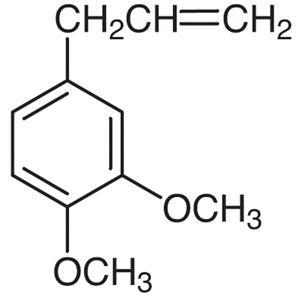
- TCI D1360 93-15-2 4-Allyl-1,2-dimethoxybenzene
- TCI A1184 5912-87-8 1-Acetoxy-2-methoxy-4-[(E)-1-propenyl]benzene
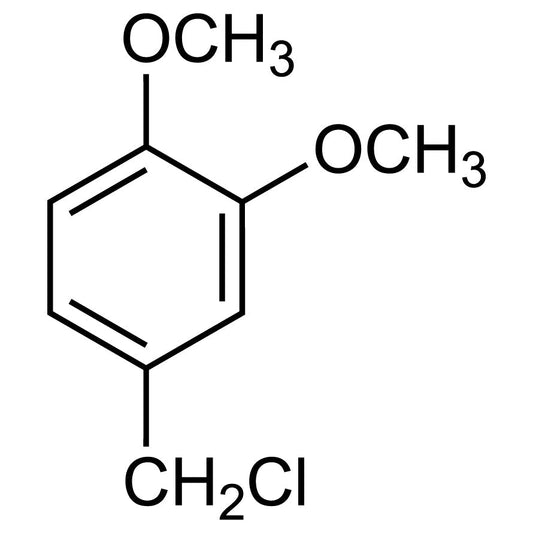
- TCI V0211 7306-46-9 4-(Chloromethyl)-1,2-dimethoxybenzene
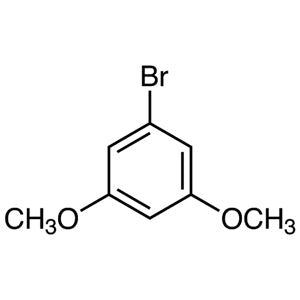
- TCI B3848 20469-65-2 1-Bromo-3,5-dimethoxybenzene
- TCI B3488 16932-45-9 2-Bromo-1,3-dimethoxybenzene
- Organic synthesis: This compound is ideal for creating complex organic molecules due to its aromatic structure and reactive substituents.
- Pharmaceutical research: It serves as a key building block in the development of new drug compounds, supporting medicinal chemistry efforts.
- Dye and pigment formulation: Its chemical properties make it suitable for synthesizing organic dyes and pigments used in various industries.
- Industrial chemical development: It is used in the production of specialty chemicals, contributing to the formulation of new products.
- Analytical chemistry: It is employed in analytical procedures to test and characterize chemical compounds in laboratory settings.
| Brand | TCI |
|---|---|
| CAS number | 93-16-3 |
| Molecular formula | — |
| Purity | — |
| Category | Chemistry > Building Blocks > Non-Heterocyclic Building Blocks |
| Pack sizes | Available in various quantities as per standard laboratory supply |
| Physical form | Pure liquid |
| Storage | Store in a cool, dry place away from direct sunlight and incompatible materials |
This compound should be stored in a cool, dry location, away from direct sunlight and incompatible substances. It is recommended to use airtight containers made of glass or polyethylene to prevent contamination and maintain purity. Since it is non-mercurial and has low toxicity, it is generally safe to handle with standard laboratory precautions. Proper ventilation should be maintained during use to ensure a safe working environment. Always wear appropriate personal protective equipment, such as gloves and safety goggles, when handling this material. Regular monitoring of storage conditions is advised to ensure the compound remains stable and suitable for use in laboratory applications.
—
Produk Terkait
-
2-Ethoxy-5-(1-propenyl)phenol TCI E0804
Regular price Rp 1.193.850,00Regular price -
4-Allyl-1,2-dimethoxybenzene TCI D1360
Regular price From Rp 477.750,00Regular price -
1-Acetoxy-2-methoxy-4-[(E)-1-propenyl]benzene TCI A1184
Regular price Rp 505.050,00Regular price -
4-(Chloromethyl)-1,2-dimethoxybenzene TCI V0211
Regular price Rp 2.359.350,00Regular price -
1-Bromo-3,5-dimethoxybenzene TCI B3848
Regular price From Rp 795.900,00Regular price -
2-Bromo-1,3-dimethoxybenzene TCI B3488
Regular price From Rp 823.200,00Regular price -
2,6-Bis(chloromethyl)-1,4-dimethoxybenzene TCI B2649
Regular price Rp 3.075.450,00Regular price -
2,6-Bis(hydroxymethyl)-1,4-dimethoxybenzene TCI B2618
Regular price Rp 2.837.100,00Regular price

![5912-87-8 1-Acetoxy-2-methoxy-4-[(E)-1-propenyl]benzene - AMI Scientific](http://amiscientific.com/cdn/shop/files/TCI2510A1184.jpg?v=1769141370&width=533)