2-Chloro-5-(chloromethyl)thiazole is a thiazole derivative that carries two chlorine atoms with different reactivities: one at the 2-position of the aromatic ring and another on the chloromethyl group at the 5-position. Thiazole is a five-membered heterocycle containing both sulfur and nitrogen, and this ring system appears in many pharmaceutical and agrochemical compounds. The compound is known as a key intermediate in the synthesis of neonicotinoid insecticides. That makes it an important building block for agrochemical research laboratories and medicinal chemistry groups.
The main value of this compound is its two reactive sites, which can be addressed separately. The chloromethyl group behaves much like a benzylic halide and reacts readily with nucleophiles such as amines, thiols and alkoxides through SN2 substitution. Chemists can therefore attach a thiazolylmethyl unit to a target molecule in a straightforward way. The chlorine at the 2-position of the ring is more resistant, so it can be kept intact or functionalized at a later stage. This stepwise selectivity supports efficient and well-controlled synthetic routes, which is why researchers often prefer this compound when they need a functionalized thiazole scaffold.
In Indonesia, this material is relevant to agrochemical research laboratories because of the country's large agricultural and plantation sectors. It is also useful to medicinal chemistry groups at universities and research institutions that explore thiazole-containing compounds as potential bioactive molecules. Synthetic organic chemistry laboratories can use it as a versatile heterocyclic building block when they prepare compound libraries, run method-development studies, or train students in selective substitution chemistry on bifunctional substrates.
Related TCI products
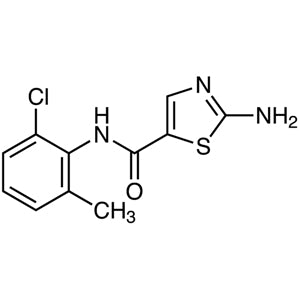
- TCI A2773 302964-24-5 2-Amino-N-(2-chloro-6-methylphenyl)thiazole-5-carboxamide
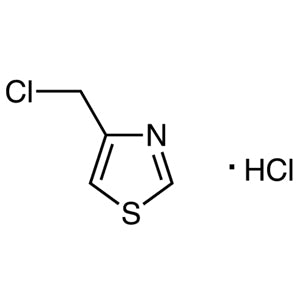
- TCI C1623 7709-58-2 4-(Chloromethyl)thiazole Hydrochloride
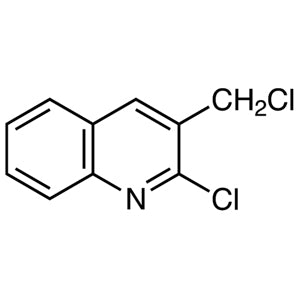
- TCI C2861 90097-52-2 2-Chloro-3-(chloromethyl)quinoline
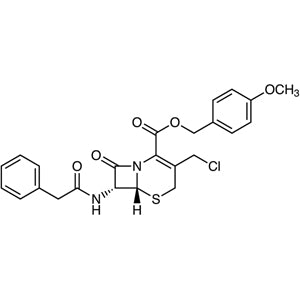
- TCI M2411 104146-10-3 4-Methoxybenzyl 3-Chloromethyl-7-(2-phenylacetamido)-3-cephem-4-carboxylate
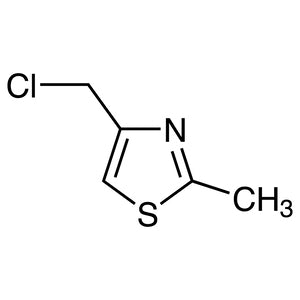
- TCI C3819 39238-07-8 4-(Chloromethyl)-2-methylthiazole
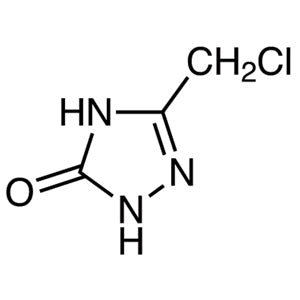
- TCI C3094 252742-72-6 3-(Chloromethyl)-1,2,4-triazolin-5-one
- Neonicotinoid intermediate synthesis: the compound is a recognized key intermediate in this insecticide class, so it gives agrochemical researchers a practical starting point for preparing related target molecules.
- Introducing a thiazolylmethyl group: the reactive chloromethyl group undergoes SN2 substitution with amines, thiols and alkoxides, so the thiazolylmethyl unit can be attached to many types of molecular scaffolds.
- Stepwise functionalization strategies: because the 2-position chlorine is more resistant than the chloromethyl chlorine, chemists can modify the two sites in sequence and keep control over the synthetic route.
- Medicinal chemistry exploration: the thiazole ring is common in pharmaceutical compounds, so this building block helps research groups prepare and evaluate new thiazole-containing candidates for biological activity.
- Teaching and method development: its two chlorine atoms with clearly different reactivities make it a useful model substrate for studying chemoselective nucleophilic substitution in academic organic chemistry laboratories.
| Brand | TCI (product code C3295) |
|---|---|
| CAS number | 105827-91-6 |
| Molecular formula | — |
| Purity | — |
| Category | Chemistry > Building Blocks > Heterocyclic Building Blocks |
| Pack sizes | available in TCI's standard pack sizes; please check the current options when you order |
| Physical form | refer to the TCI product label and Certificate of Analysis |
| Storage | follow the storage conditions on the TCI label and Safety Data Sheet |
Keep this compound in its original, tightly closed manufacturer container in a cool, dry, well-ventilated area, away from moisture, heat sources and incompatible materials such as strong bases, strong oxidizers and reactive nucleophiles. Always follow the specific storage conditions on the TCI label and Safety Data Sheet. The chloromethyl group is a reactive alkylating site, so handle the material in a fume hood. Wear suitable chemical-resistant gloves, safety glasses and a lab coat, and avoid skin contact and breathing in any vapor or dust. Clearly label any transferred portions, reseal containers right after use, and dispose of waste according to institutional and local chemical waste regulations.
—
Produk Terkait
-
2-Amino-N-(2-chloro-6-methylphenyl)thiazole-5-carboxamide TCI A2773
Regular price From Rp 822.150,00Regular priceRp 590.100,00Sale price From Rp 822.150,00 -
4-(Chloromethyl)thiazoleHydrochloride TCI C1623
Regular price From Rp 1.961.400,00Regular priceRp 1.387.050,00Sale price From Rp 1.961.400,00 -
2-Chloro-3-(chloromethyl)quinoline TCI C2861
Regular price From Rp 2.147.250,00Regular priceRp 1.517.250,00Sale price From Rp 2.147.250,00 -
4-Methoxybenzyl3-Chloromethyl-7-(2-phenylacetamido)-3-cephem-4-carboxylate TCI M2411
Regular price From Rp 610.050,00Regular priceRp 442.050,00Sale price From Rp 610.050,00 -
4-(Chloromethyl)-2-methylthiazole TCI C3819
Regular price From Rp 2.411.850,00Regular priceRp 1.702.050,00Sale price From Rp 2.411.850,00 -
3-(Chloromethyl)-1,2,4-triazolin-5-one TCI C3094
Regular price From Rp 795.900,00Regular priceRp 572.250,00Sale price From Rp 795.900,00 -
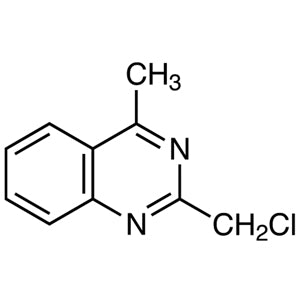
2-(Chloromethyl)-4-methylquinazoline TCI C2928
Regular price From Rp 530.250,00Regular priceRp 386.400,00Sale price From Rp 530.250,00 -
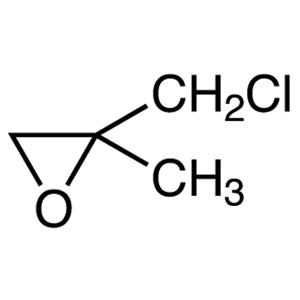
2-(Chloromethyl)-1,2-epoxypropane TCI C2584
Regular price Rp 1.565.550,00Regular priceRp 1.094.100,00Sale price Rp 1.565.550,00