Benzyl Chloromethyl Ether (BCME), with the CAS number 3587-60-8, is a chemical compound widely used in organic reactions for the synthesis of complex molecules. As a building block in chemical research, BCME plays a crucial role in the formation of heterocyclic and aromatic compounds. Its utility spans across various laboratory applications, making it an essential reagent for chemists working on synthetic pathways. BCME is particularly valued for its ability to participate in substitution and nucleophilic reactions, which are fundamental in organic chemistry.
BCME is a polar compound that dissolves well in organic solvents such as ethylamine and acetone. Its reactivity under various chemical conditions makes it a preferred choice for reactions requiring efficiency and speed. The compound's stability in molecular structure allows it to maintain its integrity during chemical transformations, ensuring consistent results. These properties make BCME a reliable and effective reagent in both academic and industrial research settings.
In Indonesian laboratories, BCME is extensively used in pure and applied chemical research. It is commonly applied in the synthesis of pharmacological compounds and industrial chemicals. Its availability in the local market supports researchers and industries in conducting advanced chemical studies. The compound's versatility and reactivity make it a valuable asset in the chemical laboratory environment.
TCI brochures (PDF)
- Protecting Agents 2025-03-25 · p. 8
Related TCI products
- TCI B1257 32783-20-3 Benzyl Isopropenyl Ether [Hydroxyl-Protecting Agent]
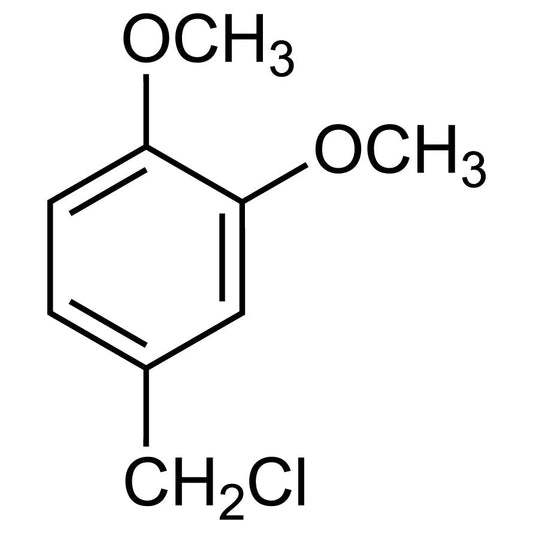
- TCI V0211 7306-46-9 4-(Chloromethyl)-1,2-dimethoxybenzene
- TCI C1947 3587-62-0 Chloromethyl Cyclohexyl Ether
- TCI B2820 54247-27-7 Benzyl 6-Bromohexyl Ether
- TCI B2819 1014-93-3 Benzyl 5-Bromoamyl Ether
- TCI B2818 54314-84-0 Benzyl 3-Bromopropyl Ether
- Organic synthesis applications benefit from BCME due to its reactivity and ability to participate in substitution and nucleophilic reactions.
- Pharmaceutical research utilizes BCME for the development of new drug compounds through efficient synthetic pathways.
- Industrial chemical production relies on BCME for the synthesis of complex aromatic and heterocyclic structures.
- Academic research in chemical mechanisms uses BCME to study reactivity and reaction kinetics under controlled conditions.
- Analytical chemistry laboratories employ BCME as a standard reagent for testing and validating chemical processes and reaction conditions.
| Brand | TCI |
|---|---|
| CAS number | 3587-60-8 |
| Molecular formula | — |
| Purity | — |
| Category | Chemistry > Building Blocks > Non-Heterocyclic Building Blocks |
| Pack sizes | Available in standard laboratory quantities |
| Physical form | Liquid |
| Storage | Store in a cool, dry place away from light and incompatible substances |
BCME should be stored in a cool, dry place, away from direct sunlight and incompatible materials such as strong bases or oxidizing agents. It is recommended to use sealed containers made of glass or high-density polyethylene to prevent contamination and evaporation. Due to its reactivity, BCME should be handled in a well-ventilated laboratory environment, preferably with a fume hood. Always wear appropriate personal protective equipment, including gloves, goggles, and a lab coat, to ensure safety during handling. Avoid contact with skin and eyes, and ensure proper disposal according to local regulations. Regular monitoring of storage conditions is essential to maintain the compound's stability and effectiveness in laboratory applications.
—
Produk Terkait
-
BenzylIsopropenylEther[Hydroxyl-ProtectingAgent] TCI B1257
Regular price From Rp 3.976.350,00Regular priceRp 2.780.400,00Sale price From Rp 3.976.350,00 -
4-(Chloromethyl)-1,2-dimethoxybenzene TCI V0211
Regular price Rp 2.359.350,00Regular priceRp 1.649.550,00Sale price Rp 2.359.350,00 -
ChloromethylCyclohexylEther TCI C1947
Regular price Rp 8.613.150,00Regular priceRp 6.022.800,00Sale price Rp 8.613.150,00 -
Benzyl6-BromohexylEther TCI B2820
Regular price From Rp 4.559.100,00Regular priceRp 3.187.800,00Sale price From Rp 4.559.100,00 -
Benzyl5-BromoamylEther TCI B2819
Regular price Rp 3.896.550,00Regular priceRp 2.724.750,00Sale price Rp 3.896.550,00 -
Benzyl3-BromopropylEther TCI B2818
Regular price From Rp 2.545.200,00Regular priceRp 1.779.750,00Sale price From Rp 2.545.200,00 -
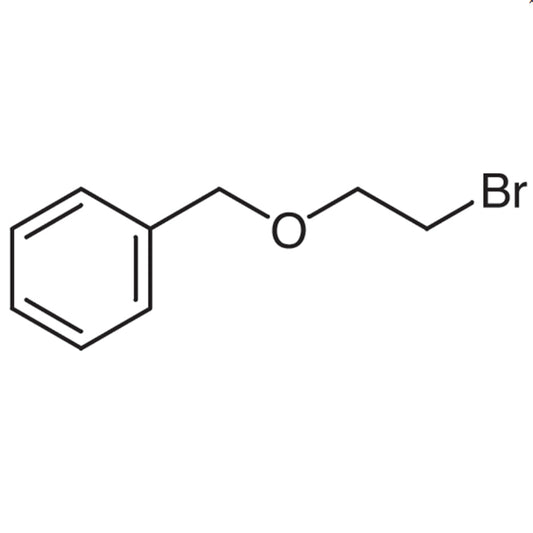
Benzyl2-BromoethylEther TCI B2817
Regular price From Rp 2.174.550,00Regular priceRp 1.520.400,00Sale price From Rp 2.174.550,00 -
Benzyl4-BromobutylEther TCI B2802
Regular price From Rp 3.683.400,00Regular priceRp 2.575.650,00Sale price From Rp 3.683.400,00