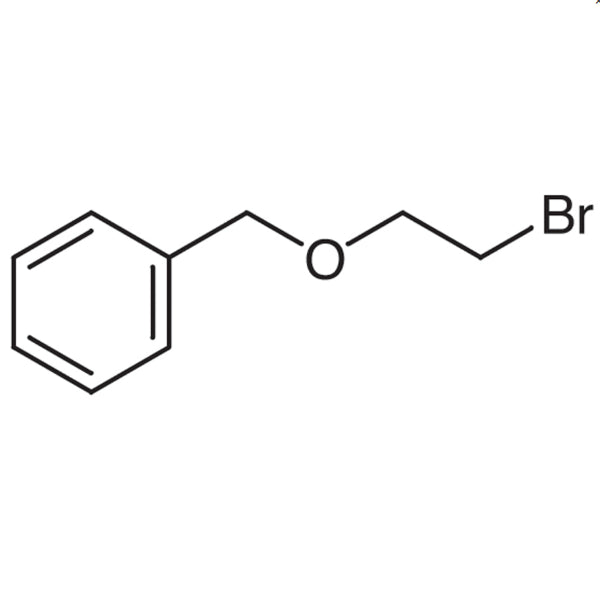
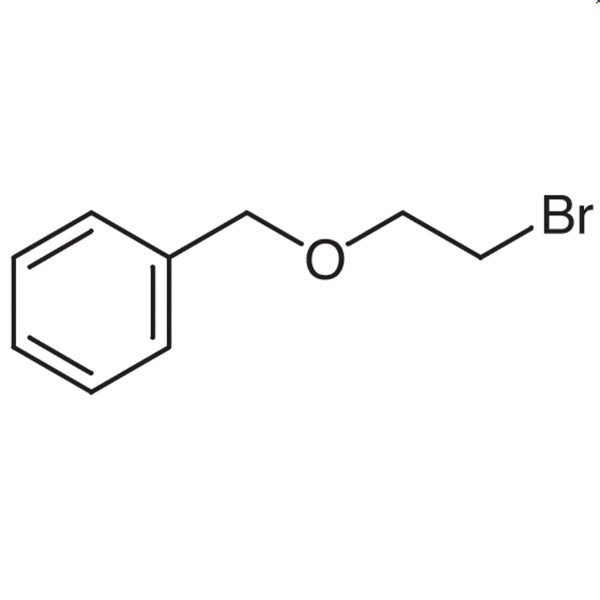
Benzyl 2-Bromoethyl Ether (BCBE), with CAS number 1462-37-9, is a chemical building block widely used in organic synthesis to create complex molecular structures. As a versatile reagent, it plays a crucial role in laboratories by enabling the formation of new chemical bonds through various reaction mechanisms, including SN2 and electrophilic substitution. Its presence in chemical laboratories is essential for researchers aiming to develop novel compounds, particularly in the field of heterocyclic and branched chain synthesis. Due to its reactivity and structural versatility, BCBE is a key component in many synthetic pathways, making it an indispensable tool for both academic and industrial chemists.
The chemical properties of BCBE make it a preferred choice for synthetic chemists. It exhibits stability under controlled conditions, allowing for predictable reaction outcomes. Its bromoethyl group provides a reactive site that can be modified through various functional group transformations, enhancing its utility in synthetic strategies. The molecule’s ability to participate in multiple reaction types, such as covalent bond formation and substitution reactions, further solidifies its position as a valuable reagent. These characteristics make it ideal for applications requiring controlled reactivity and structural modification.
In Indonesian laboratories, BCBE is commonly used in organic chemistry research and educational settings. It is frequently employed in the synthesis of new compounds, particularly in projects involving heterocyclic and branched chain structures. Additionally, it is utilized in higher education to train students in chemical synthesis techniques and molecular manipulation. Its role in both research and teaching underscores its importance in the chemical sciences within Indonesia.
- Organic synthesis projects benefit from BCBE's ability to form new chemical bonds through SN2 and electrophilic substitution reactions.
- Heterocyclic compound development utilizes BCBE's reactive bromoethyl group for structural modification and functional group transformation.
- Branched chain synthesis applications take advantage of BCBE's structural versatility to create complex molecular architectures.
- Educational institutions use BCBE to teach students about chemical synthesis techniques and molecular manipulation in laboratory settings.
- Research laboratories incorporate BCBE into their workflows for the development of novel compounds with specific reactivity and structural features.
| Brand | TCI |
|---|---|
| CAS number | 1462-37-9 |
| Molecular formula | — |
| Purity | — |
| Category | Chemistry > Building Blocks > Non-Heterocyclic Building Blocks |
| Pack sizes | Available in standard laboratory quantities |
| Physical form | Liquid |
| Storage | Store in a cool, dry place away from light and incompatible materials |
BCBE should be stored in a cool, dry environment, away from direct sunlight and sources of heat. It is recommended to use airtight containers made of glass or high-density polyethylene to prevent contamination and evaporation. Due to its reactive nature, it should be kept separate from strong bases, oxidizing agents, and other incompatible substances. Proper ventilation is essential when handling BCBE to minimize exposure to vapors. Laboratory personnel should wear appropriate personal protective equipment, including gloves, goggles, and a lab coat, to ensure safety during handling and use.
—
Produk Terkait
-
Benzyl6-BromohexylEther TCI B2820
Regular price From Rp 4.559.100,00Regular priceRp 3.187.800,00Sale price From Rp 4.559.100,00 -
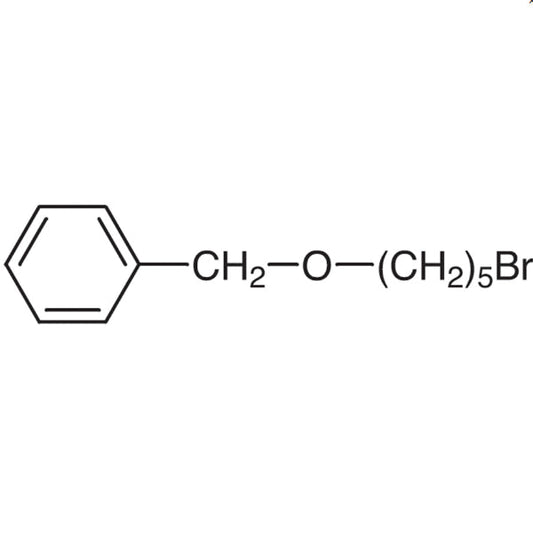
Benzyl5-BromoamylEther TCI B2819
Regular price Rp 3.896.550,00Regular priceRp 2.724.750,00Sale price Rp 3.896.550,00 -
Benzyl3-BromopropylEther TCI B2818
Regular price From Rp 2.545.200,00Regular priceRp 1.779.750,00Sale price From Rp 2.545.200,00 -
Benzyl4-BromobutylEther TCI B2802
Regular price From Rp 3.683.400,00Regular priceRp 2.575.650,00Sale price From Rp 3.683.400,00 -
Benzyl2-ChloroethylEther TCI B2712
Regular price From Rp 1.298.850,00Regular priceRp 908.250,00Sale price From Rp 1.298.850,00 -
BenzylGlycidylEther TCI B2108
Regular price From Rp 1.510.950,00Regular priceRp 1.056.300,00Sale price From Rp 1.510.950,00 -
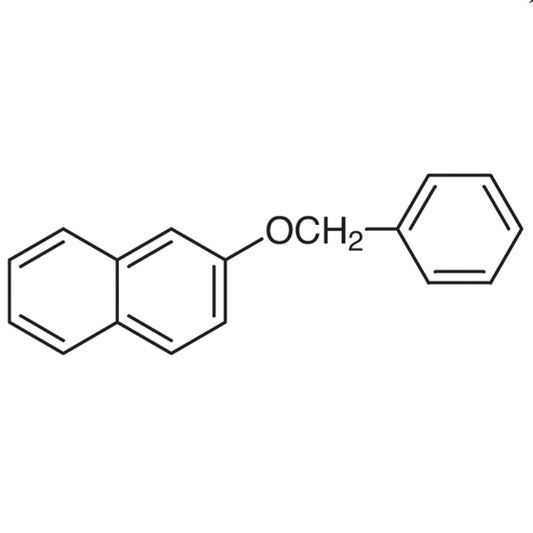
Benzyl2-NaphthylEther TCI B1619
Regular price From Rp 1.856.400,00Regular priceRp 1.297.800,00Sale price From Rp 1.856.400,00 -
BenzylIsopropenylEther[Hydroxyl-ProtectingAgent] TCI B1257
Regular price From Rp 3.976.350,00Regular priceRp 2.780.400,00Sale price From Rp 3.976.350,00