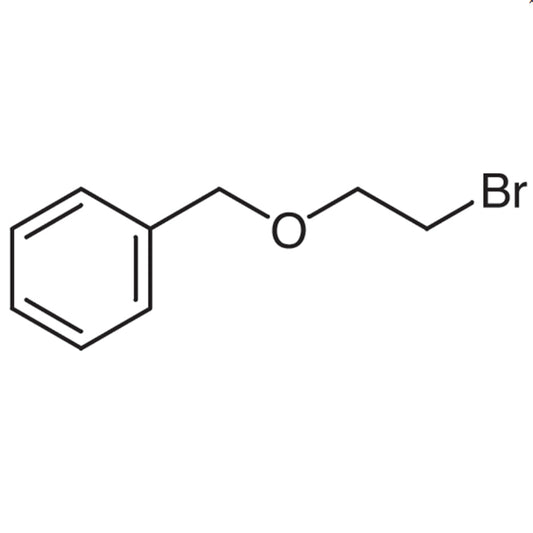
Benzyl 2-Naphthyl Ether (BCNE), also known as TCI B1619 with CAS number 613-62-7, is a chemical compound widely used in laboratory settings as a building block for the synthesis of complex molecules. It is a versatile reagent that plays a crucial role in organic chemistry, particularly in substitution reactions and other synthetic pathways. Its molecular structure consists of a benzyl group attached to a naphthyl group, making it an essential component in the development of heterocyclic compounds, pharmaceuticals, and industrial chemicals. This compound is favored for its stability and reactivity, allowing researchers to manipulate its structure efficiently in various chemical transformations.
The chemical properties of BCNE make it a preferred choice for laboratory applications. It exhibits good solubility in organic solvents such as ethyl acetate and chloroform, which facilitates its use in solution-based reactions. Its high boiling point and resistance to decomposition under normal conditions further enhance its reliability in synthetic processes. The presence of aromatic groups in its structure contributes to its overall stability, ensuring consistent performance across different experimental setups. These characteristics make BCNE a reliable and efficient reagent for both academic and industrial research.
In Indonesian laboratories, BCNE is extensively used in chemical research, particularly in the fields of pharmaceutical development and the synthesis of complex organic compounds. Its availability and chemical properties make it a popular choice among researchers working on drug discovery and material science projects. The compound’s role in creating new chemical structures supports innovation in various scientific disciplines, contributing to the advancement of chemical research in Indonesia.
- Used in pharmaceutical research for the synthesis of novel drug molecules due to its structural versatility and reactivity.
- Applied in organic synthesis to create complex heterocyclic compounds through substitution and coupling reactions.
- Employed in material science for the development of functional polymers and specialty chemicals due to its stability and solubility.
- Utilized in analytical chemistry for the preparation of reference standards and calibration solutions.
- Integrated into industrial chemical processes for the production of dyes, pesticides, and other specialty chemicals.
| Brand | TCI |
|---|---|
| CAS number | 613-62-7 |
| Molecular formula | — |
| Purity | — |
| Category | Chemistry > Building Blocks > Non-Heterocyclic Building Blocks |
| Pack sizes | Available in various quantities as per supplier specifications |
| Physical form | Solid or liquid, depending on the specific product variant |
| Storage | Store in a cool, dry place away from direct sunlight and incompatible materials |
Benzyl 2-Naphthyl Ether should be stored in a cool, dry environment to maintain its chemical integrity. It is recommended to keep the compound in a tightly sealed container to prevent exposure to moisture and air. Due to its potential reactivity, it should be stored away from strong oxidizing agents and incompatible substances. Proper ventilation is essential when handling the compound to minimize inhalation risks. Laboratory personnel should wear appropriate personal protective equipment, including gloves and safety goggles, when working with BCNE. Regular monitoring of storage conditions ensures the compound remains stable and suitable for use in chemical experiments.
—
Produk Terkait
-
Benzyl6-BromohexylEther TCI B2820
Regular price From Rp 4.559.100,00Regular priceRp 3.187.800,00Sale price From Rp 4.559.100,00 -
Benzyl5-BromoamylEther TCI B2819
Regular price Rp 3.896.550,00Regular priceRp 2.724.750,00Sale price Rp 3.896.550,00 -
Benzyl3-BromopropylEther TCI B2818
Regular price From Rp 2.545.200,00Regular priceRp 1.779.750,00Sale price From Rp 2.545.200,00 -
Benzyl2-BromoethylEther TCI B2817
Regular price From Rp 2.174.550,00Regular priceRp 1.520.400,00Sale price From Rp 2.174.550,00 -
Benzyl4-BromobutylEther TCI B2802
Regular price From Rp 3.683.400,00Regular priceRp 2.575.650,00Sale price From Rp 3.683.400,00 -
Benzyl2-ChloroethylEther TCI B2712
Regular price From Rp 1.298.850,00Regular priceRp 908.250,00Sale price From Rp 1.298.850,00 -
BenzylGlycidylEther TCI B2108
Regular price From Rp 1.510.950,00Regular priceRp 1.056.300,00Sale price From Rp 1.510.950,00 -
BenzylIsopropenylEther[Hydroxyl-ProtectingAgent] TCI B1257
Regular price From Rp 3.976.350,00Regular priceRp 2.780.400,00Sale price From Rp 3.976.350,00