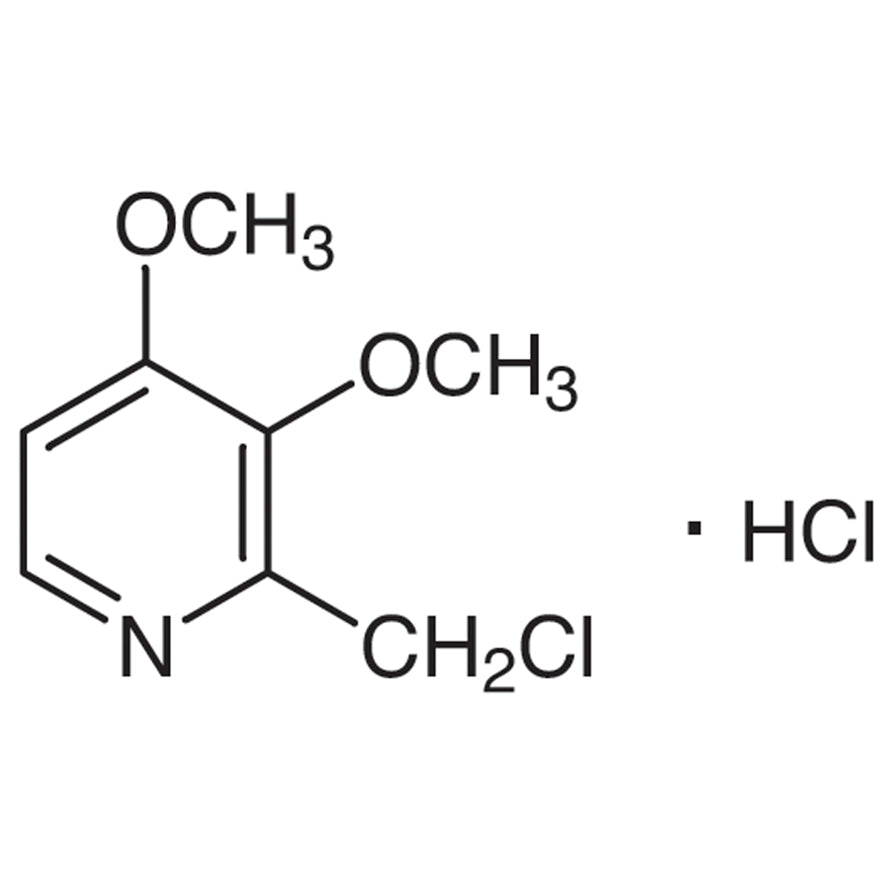
TCI C2073 is 2-(Chloromethyl)-3,4-dimethoxypyridine Hydrochloride, a heterocyclic building block supplied as the hydrochloride salt of a substituted pyridine. The molecule carries a highly reactive chloromethyl group at the two position of the pyridine ring, together with two methoxy groups at the three and four positions. This combination makes it a widely used heteroaromatic alkylating reagent in pharmaceutical synthesis laboratories, particularly in the preparation of sulfinyl-substituted benzimidazole compounds known as proton pump inhibitors. The hydrochloride salt form is chosen because it is far more stable to store and handle than the corresponding free base.
The property that makes this building block important is the reactivity of the chloromethyl group toward sulfur nucleophiles, for example thiols or mercapto-benzimidazole salts, so that carbon-sulfur bonds can be formed readily under relatively mild basic conditions. The two electron-donating methoxy groups modulate the electron density of the pyridine ring, which in turn governs the electronic character of the final product. Presenting the compound as a hydrochloride salt gives a solid that is easier to weigh and dispense than a free base, while preserving the reactivity chemists rely on for the alkylation step.
In Indonesian laboratories this reagent is typically used in pharmaceutical research and development groups, university synthetic chemistry laboratories, and process chemistry units working on active pharmaceutical ingredient routes. It is handled during the alkylation stage of multi-step syntheses, where a heteroaromatic fragment must be joined to a sulfur-containing partner. Because the material is a hygroscopic and moisture-sensitive solid, laboratories in Indonesia's humid climate pay particular attention to how the container is opened, weighed, and resealed.
Related TCI products
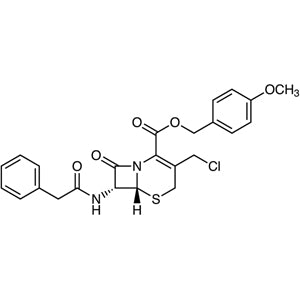
- TCI M2411 104146-10-3 4-Methoxybenzyl 3-Chloromethyl-7-(2-phenylacetamido)-3-cephem-4-carboxylate
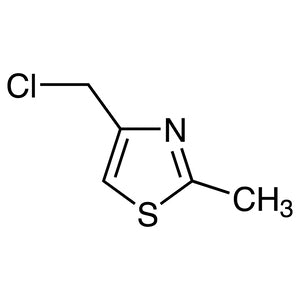
- TCI C3819 39238-07-8 4-(Chloromethyl)-2-methylthiazole
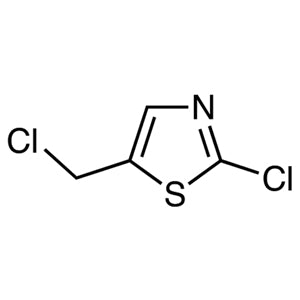
- TCI C3295 105827-91-6 2-Chloro-5-(chloromethyl)thiazole
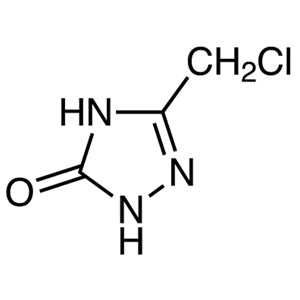
- TCI C3094 252742-72-6 3-(Chloromethyl)-1,2,4-triazolin-5-one
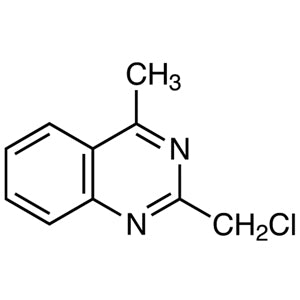
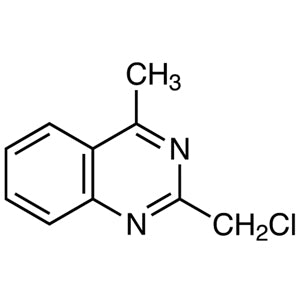
- TCI C2928 109113-72-6 2-(Chloromethyl)-4-methylquinazoline
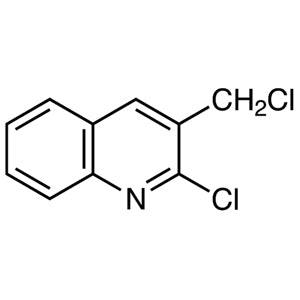
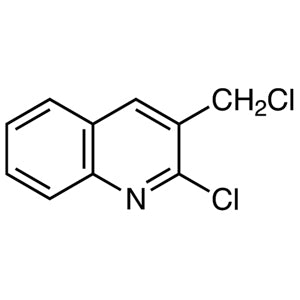
- TCI C2861 90097-52-2 2-Chloro-3-(chloromethyl)quinoline
- Proton pump inhibitor synthesis: the chloromethyl group at the pyridine two position couples directly with mercapto-benzimidazole salts, forming the carbon-sulfur linkage central to this class of drug molecules.
- Heteroaromatic alkylation chemistry: the reagent transfers a dimethoxypyridinylmethyl fragment to sulfur nucleophiles such as thiols under relatively mild basic conditions, avoiding harsher alkylating agents.
- Sulfinyl benzimidazole intermediate preparation: it supplies the pyridine portion of the thioether precursor that is subsequently oxidised, making it a standard step in this synthetic sequence.
- Medicinal chemistry building block libraries: the two electron-donating methoxy groups tune pyridine ring electron density, letting chemists adjust the electronic character of analogues built from this scaffold.
- Academic synthetic chemistry teaching and research: the compound demonstrates nucleophilic substitution at a benzylic-type position on a heteroaromatic ring, a well-defined reaction for methodology work and student training.
| Brand | TCI |
|---|---|
| CAS number | 72830-09-2 |
| Molecular formula | — |
| Purity | — |
| Category | Chemistry > Building Blocks > Heterocyclic Building Blocks |
| Pack sizes | available in the standard catalogue pack sizes offered by TCI; please confirm the required quantity when ordering |
| Physical form | solid, supplied as the hydrochloride salt; hygroscopic and moisture sensitive |
| Storage | keep tightly closed in a dry environment, protected from moisture |
- Chemical name: 2-(Chloromethyl)-3,4-dimethoxypyridine Hydrochloride
Store the container tightly closed in a cool, dry place, away from moisture and humid air, since water can degrade the hydrochloride salt through hydrolysis of the reactive chloromethyl group. Keep the material in its original tightly sealed container, or transfer it to a well-sealed glass vessel with a moisture-resistant closure; a desiccator or a sealed secondary container with desiccant is advisable in humid conditions. Weigh and dispense the solid quickly to limit exposure to atmospheric moisture, and allow a cold container to reach room temperature before opening so that condensation does not form inside. As with any reactive alkylating agent, handle the compound in a fume hood using gloves, safety glasses, and a laboratory coat, avoid inhalation of dust, and keep it separated from strong bases and nucleophilic reagents. Always consult the manufacturer's safety data sheet before use.
—
Produk Terkait
-
4-Methoxybenzyl3-Chloromethyl-7-(2-phenylacetamido)-3-cephem-4-carboxylate TCI M2411
Regular price From Rp 557.550,00Regular price -
4-(Chloromethyl)-2-methylthiazole TCI C3819
Regular price From Rp 2.359.350,00Regular price -
2-Chloro-5-(chloromethyl)thiazole TCI C3295
Regular price From Rp 477.750,00Regular price -
3-(Chloromethyl)-1,2,4-triazolin-5-one TCI C3094
Regular price From Rp 743.400,00Regular price -
2-(Chloromethyl)-4-methylquinazoline TCI C2928
Regular price From Rp 477.750,00Regular price -
2-Chloro-3-(chloromethyl)quinoline TCI C2861
Regular price From Rp 2.094.750,00Regular price -
2-(Chloromethyl)-1,2-epoxypropane TCI C2584
Regular price Rp 1.565.550,00Regular price -
4-(Chloromethyl)-3,5-dimethylisoxazole TCI C2282
Regular price From Rp 875.700,00Regular price