4-(Chloromethyl)-3,5-dimethylisoxazole is a heterocyclic compound that plays a crucial role in chemical synthesis within laboratory settings. As a building block in organic chemistry, it is widely used for constructing complex molecular structures. Its unique chemical structure allows for versatile reactivity, making it an essential tool for researchers aiming to modify molecular frameworks. This compound is particularly valuable in pharmaceutical and material science research due to its ability to participate in various chemical reactions, including substitution and bond formation.
The compound’s chemical properties make it a preferred choice for synthetic applications. It contains a chloromethyl group and two methyl groups at specific positions, contributing to its reactivity and stability. These features enable it to be used in a wide range of reactions where controlled chemical transformations are required. Its stability under certain conditions also enhances its usability, allowing for longer storage and consistent performance in experimental processes. The combination of reactivity and stability ensures that it remains a reliable component in chemical synthesis.
In Indonesian laboratories, this compound is commonly utilized in organic chemistry, pharmaceutical research, and material development. Its role in creating complex molecules and modifying chemical structures makes it a key reagent for scientists working on drug discovery, polymer synthesis, and functional material design. Its availability through AMI Scientific supports ongoing research and innovation in these fields.
Related TCI products
- TCI I0727 10557-85-4 4-Iodo-3,5-dimethylisoxazole
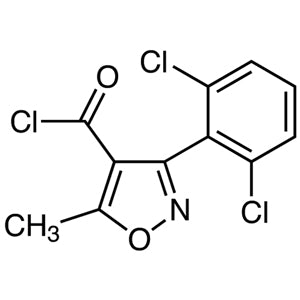
- TCI D4776 4462-55-9 3-(2,6-Dichlorophenyl)-5-methylisoxazole-4-carbonyl Chloride
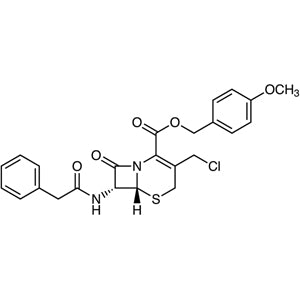
- TCI M2411 104146-10-3 4-Methoxybenzyl 3-Chloromethyl-7-(2-phenylacetamido)-3-cephem-4-carboxylate
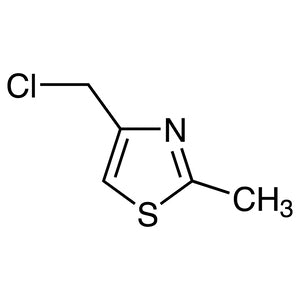
- TCI C3819 39238-07-8 4-(Chloromethyl)-2-methylthiazole
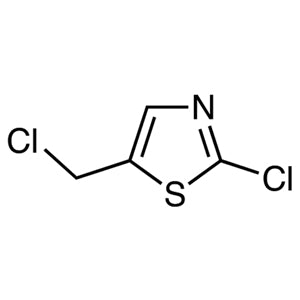
- TCI C3295 105827-91-6 2-Chloro-5-(chloromethyl)thiazole
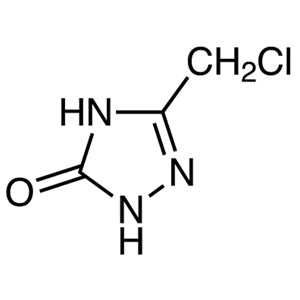
- TCI C3094 252742-72-6 3-(Chloromethyl)-1,2,4-triazolin-5-one
- Organic synthesis applications benefit from this compound's reactivity and structural versatility, enabling the creation of complex molecular frameworks.
- Pharmaceutical research utilizes it for the development of new drugs, as its structure can be modified to target specific biological pathways.
- Material science experiments leverage its stability and chemical properties to design advanced polymers and functional materials.
- Analytical chemistry uses it as a reference standard for identifying and quantifying compounds in complex mixtures.
- Industrial chemical processes incorporate it for the production of specialty chemicals requiring precise molecular control.
| Brand | TCI |
|---|---|
| CAS number | 19788-37-5 |
| Molecular formula | — |
| Purity | — |
| Category | Chemistry > Building Blocks > Heterocyclic Building Blocks |
| Pack sizes | Available in various quantities as per standard laboratory requirements |
| Physical form | Solid, crystalline |
| Storage | Store in a cool, dry place away from light and moisture |
This compound should be stored in a cool, dry environment, away from direct sunlight and sources of moisture. It is recommended to use airtight containers to prevent exposure to air and humidity, which could affect its stability. Due to its chemical nature, it should be handled in a well-ventilated area, and appropriate personal protective equipment should be worn when working with it. Avoid contact with skin and eyes, and ensure proper disposal procedures are followed to maintain laboratory safety standards.
—
Produk Terkait
-
4-Iodo-3,5-dimethylisoxazole TCI I0727
Regular price From Rp 584.850,00Regular price -
3-(2,6-Dichlorophenyl)-5-methylisoxazole-4-carbonylChloride TCI D4776
Regular price From Rp 1.140.300,00Regular price -
4-Methoxybenzyl3-Chloromethyl-7-(2-phenylacetamido)-3-cephem-4-carboxylate TCI M2411
Regular price From Rp 557.550,00Regular price -
4-(Chloromethyl)-2-methylthiazole TCI C3819
Regular price From Rp 2.359.350,00Regular price -
2-Chloro-5-(chloromethyl)thiazole TCI C3295
Regular price From Rp 477.750,00Regular price -
3-(Chloromethyl)-1,2,4-triazolin-5-one TCI C3094
Regular price From Rp 743.400,00Regular price -
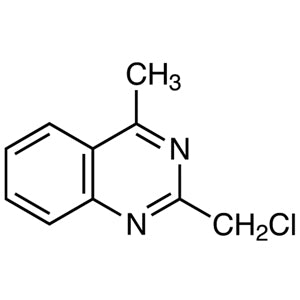
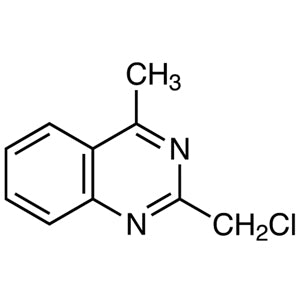
2-(Chloromethyl)-4-methylquinazoline TCI C2928
Regular price From Rp 477.750,00Regular price -
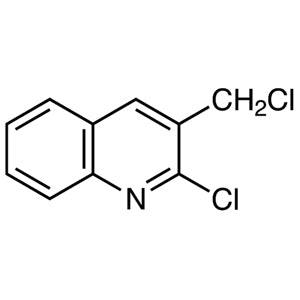
2-Chloro-3-(chloromethyl)quinoline TCI C2861
Regular price From Rp 2.094.750,00Regular price