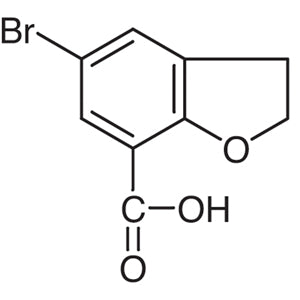
5-Bromo-2-(methylthio)pyrimidine-4-carboxylic Acid is a chemical compound widely used in the synthesis of complex heterocyclic compounds. As a building block in organic chemistry, it plays a crucial role in the development of new molecules with specific biological activities. This compound is particularly valuable in pharmaceutical research due to its structural versatility and reactivity. It serves as a key intermediate in the creation of various pyrimidine-based molecules, which are essential in drug discovery and medicinal chemistry.
The compound's unique chemical properties, including the presence of bromo and methylthio groups, make it a preferred choice for researchers. These functional groups enhance its reactivity and stability, allowing for a wide range of chemical transformations. Its molecular structure provides a foundation for the synthesis of bioactive compounds, making it an essential tool for scientists working in synthetic chemistry. The compound's availability in various packaging formats ensures its usability across different experimental scales.
In Indonesian laboratories, this compound is commonly used in research focused on drug synthesis and chemical development. It is a vital component in experiments aimed at creating new pharmaceutical compounds with targeted biological effects. Many research institutions and universities in Indonesia rely on this material for their studies, contributing to advancements in medicinal chemistry and related fields.
Related TCI products
- TCI B4406 63810-78-6 5-Bromo-4-chloro-2-(methylthio)pyrimidine
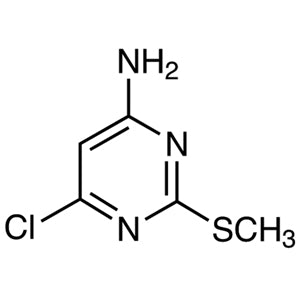
- TCI A2848 1005-38-5 4-Amino-6-chloro-2-(methylthio)pyrimidine
- TCI E0841 5909-24-0 Ethyl 4-Chloro-2-(methylthio)pyrimidine-5-carboxylate
- TCI D2533 6299-25-8 4,6-Dichloro-2-(methylthio)pyrimidine
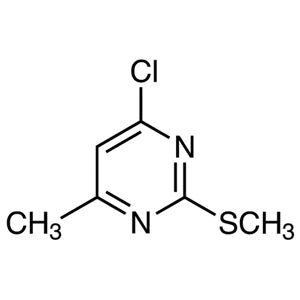
- TCI C2952 17119-73-2 4-Chloro-6-methyl-2-(methylthio)pyrimidine
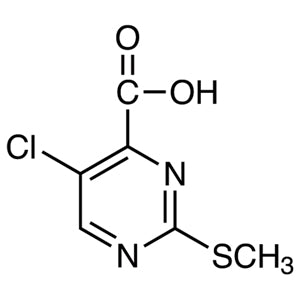
- TCI C2549 61727-33-1 5-Chloro-2-(methylthio)pyrimidine-4-carboxylic Acid
- Drug synthesis research utilizes this compound to develop new pharmaceuticals with specific therapeutic effects.
- Organic synthesis experiments benefit from its reactivity and structural versatility in creating complex heterocyclic molecules.
- Medicinal chemistry studies rely on its role as a building block for the design of bioactive compounds.
- Academic research institutions use it to explore novel chemical structures with potential pharmacological applications.
- Chemical development projects incorporate it to create new compounds with improved stability and reactivity.
| Brand | TCI |
|---|---|
| CAS number | 50593-92-5 |
| Molecular formula | — |
| Purity | — |
| Category | Chemistry > Building Blocks > Heterocyclic Building Blocks |
| Pack sizes | Available in various sizes to suit different experimental needs |
| Physical form | Solid |
| Storage | Store in a cool, dry place away from light and moisture |
This compound should be stored in a cool, dry environment, away from direct light and moisture to maintain its chemical integrity. It is recommended to use airtight containers to prevent exposure to air and humidity. Due to its chemical nature, it should be handled with appropriate personal protective equipment, such as gloves and safety goggles. Proper ventilation is essential during handling to minimize inhalation risks. The compound should not be stored near incompatible materials to avoid potential chemical reactions. Regular inspection of storage conditions is advised to ensure long-term stability and safety in the laboratory.
—
Produk Terkait
-
5-Bromo-4-chloro-2-(methylthio)pyrimidine TCI B4406
Regular price From Rp 1.008.000,00Regular priceRp 720.300,00Sale price From Rp 1.008.000,00 -
4-Amino-6-chloro-2-(methylthio)pyrimidine TCI A2848
Regular price Rp 1.776.600,00Regular priceRp 1.257.900,00Sale price Rp 1.776.600,00 -
Ethyl4-Chloro-2-(methylthio)pyrimidine-5-carboxylate TCI E0841
Regular price From Rp 1.140.300,00Regular priceRp 812.700,00Sale price From Rp 1.140.300,00 -
4,6-Dichloro-2-(methylthio)pyrimidine TCI D2533
Regular price From Rp 1.087.800,00Regular priceRp 775.950,00Sale price From Rp 1.087.800,00 -
4-Chloro-6-methyl-2-(methylthio)pyrimidine TCI C2952
Regular price Rp 10.627.050,00Regular priceRp 7.446.600,00Sale price Rp 10.627.050,00 -
5-Chloro-2-(methylthio)pyrimidine-4-carboxylicAcid TCI C2549
Regular price From Rp 822.150,00Regular priceRp 590.100,00Sale price From Rp 822.150,00 -
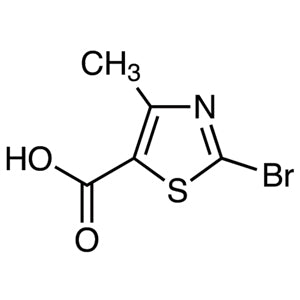
2-Bromo-4-methylthiazole-5-carboxylicAcid TCI B5336
Regular price Rp 1.590.750,00Regular priceRp 1.127.700,00Sale price Rp 1.590.750,00 -
5-Bromo-2,3-dihydrobenzofuran-7-carboxylicAcid TCI B1705
Regular price From Rp 2.199.750,00Regular priceRp 1.554.000,00Sale price From Rp 2.199.750,00