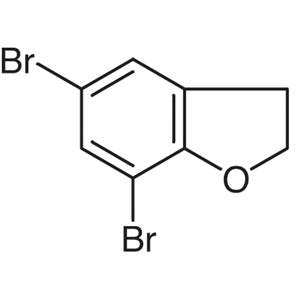
5,7-Dibromo-2,3-dihydrobenzofuran is a chemical compound widely used in organic reactions for the synthesis of complex heterocyclic compounds. As a building block in chemical research, it plays a crucial role in the development of pharmaceuticals, organic materials, and medicinal chemistry. Its unique structure, featuring a benzofuran core with bromine atoms at positions 5 and 7, provides a versatile platform for chemical modifications. This compound is particularly valuable for its reactivity and compatibility with various synthetic strategies in the laboratory.
The compound’s high reactivity is attributed to the presence of bromine groups, which make it an excellent substrate for nucleophilic and electrophilic substitution reactions. Its stability under controlled laboratory conditions further enhances its utility in synthetic processes. Additionally, its solubility in organic solvents simplifies handling and purification steps, making it a preferred choice for researchers. These properties ensure that it remains a reliable and efficient reagent in a wide range of chemical applications.
In Indonesian laboratories, 5,7-Dibromo-2,3-dihydrobenzofuran is commonly used in organic chemistry research, especially in pharmaceutical and medicinal chemistry fields. Local researchers frequently employ it in the synthesis of bioactive compounds and functional materials. Its availability through trusted suppliers like AMI Scientific ensures that it remains a key component in academic and industrial research settings across Indonesia.
Related TCI products
- TCI B4318 66826-78-6 5-Bromo-2,3-dihydrobenzofuran
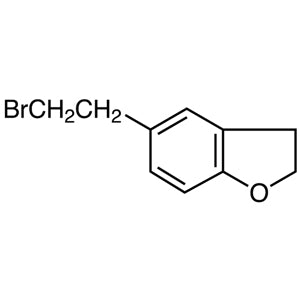
- TCI B4066 127264-14-6 5-(2-Bromoethyl)-2,3-dihydrobenzofuran
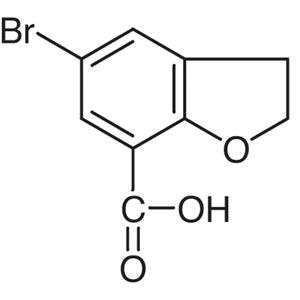
- TCI B1705 41177-72-4 5-Bromo-2,3-dihydrobenzofuran-7-carboxylic Acid
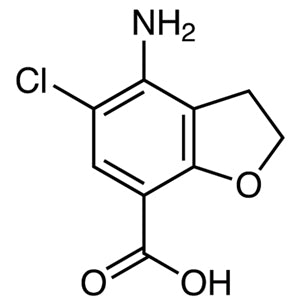
- TCI A2918 123654-26-2 4-Amino-5-chloro-2,3-dihydrobenzofuran-7-carboxylic Acid
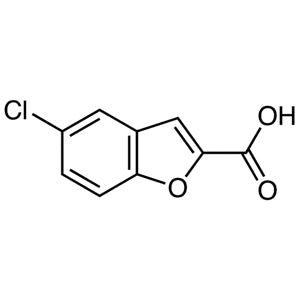
- TCI C2890 10242-10-1 5-Chlorobenzofuran-2-carboxylic Acid
- TCI D6528 1796549-32-0 3,11-Dibromo-7H-dibenzo[c,g]carbazole
- Organic synthesis for the preparation of heterocyclic compounds due to its reactivity and structural versatility.
- Pharmaceutical research for the development of bioactive molecules and drug candidates through functional group modification.
- Material science applications in the creation of organic polymers and advanced functional materials.
- Medicinal chemistry studies for the synthesis of compounds with potential therapeutic applications.
- Analytical chemistry for use as a reference standard in spectroscopic and chromatographic analyses.
| Brand | TCI |
|---|---|
| CAS number | 123266-59-1 |
| Molecular formula | — |
| Purity | — |
| Category | Chemistry > Building Blocks > Heterocyclic Building Blocks |
| Pack sizes | Available in standard laboratory quantities as per supplier specifications |
| Physical form | Solid, crystalline |
| Storage | Store in a cool, dry place away from light and moisture |
This compound should be stored in a cool, dry place, away from direct light and moisture to maintain its chemical stability. It is recommended to use airtight containers made of glass or high-density polyethylene to prevent contamination and degradation. Due to its bromine content, it is important to handle it with appropriate personal protective equipment, including gloves and safety goggles. Avoid exposure to heat or open flames, as it may react with flammable substances. In a laboratory setting, ensure proper ventilation and keep it away from incompatible materials such as strong oxidizers. Always follow standard safety protocols when working with reactive organic compounds.
—
Produk Terkait
-
5-Bromo-2,3-dihydrobenzofuran TCI B4318
Regular price Rp 1.803.900,00Regular price -
5-(2-Bromoethyl)-2,3-dihydrobenzofuran TCI B4066
Regular price From Rp 2.597.700,00Regular price -
5-Bromo-2,3-dihydrobenzofuran-7-carboxylicAcid TCI B1705
Regular price From Rp 2.147.250,00Regular price -
4-Amino-5-chloro-2,3-dihydrobenzofuran-7-carboxylicAcid TCI A2918
Regular price From Rp 1.353.450,00Regular price -
5-Chlorobenzofuran-2-carboxylicAcid TCI C2890
Regular price Rp 2.306.850,00Regular price -
3,11-Dibromo-7H-dibenzo[c,g]carbazole TCI D6528
Regular price From Rp 2.359.350,00Regular price -
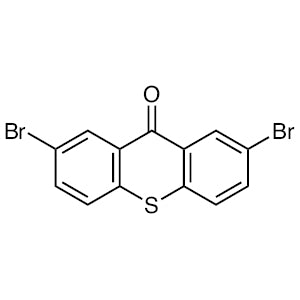
2,7-Dibromo-9H-thioxanthen-9-one TCI D5839
Regular price From Rp 3.922.800,00Regular price -
3,6-Dibromo-9-(2-naphthalenyl)-9H-carbazole TCI D5546
Regular price From Rp 795.900,00Regular price

![3,11-Dibromo-7H-dibenzo[c,g]carbazole (CAS 1796549-32-0) - TCI D6528 - AMI Scientific](http://amiscientific.com/cdn/shop/files/TCI2510D6528.jpg?v=1767110368&width=533)