

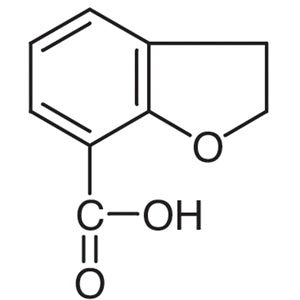
2,3-Dihydrobenzofuran-7-carboxylic Acid is a chemical compound widely used in synthetic reactions to construct complex heterocyclic structures. It plays a crucial role in organic chemistry laboratories where researchers aim to develop new compounds through substitution or coupling reactions. This compound is particularly valuable for its ability to participate in various chemical transformations, making it a key building block in the synthesis of pharmaceuticals and other advanced organic materials. Its unique molecular structure provides a versatile platform for chemical innovation.
The compound’s chemical properties, including its stability under certain conditions and high reactivity, make it a preferred choice for synthetic chemists. Its heterocyclic framework allows for the formation of new bonds and functional groups, enhancing its utility in diverse chemical applications. Additionally, its sensitivity to moisture and air highlights the importance of proper handling and storage, which are essential for maintaining its integrity during laboratory use. These characteristics make it a reliable and effective reagent in complex synthetic processes.
In Indonesian laboratories, 2,3-Dihydrobenzofuran-7-carboxylic Acid is commonly used in organic chemistry research, especially in pharmaceutical and chemical development projects. It is a fundamental component in the synthesis of bioactive compounds, contributing to advancements in drug discovery and material science. Its presence in academic and industrial research settings underscores its significance in modern chemical research in Indonesia.
Related TCI products
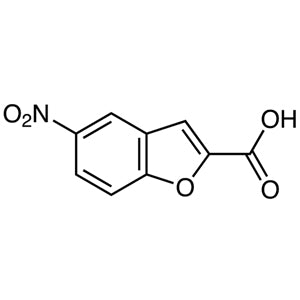
- TCI N1035 10242-12-3 5-Nitrobenzofuran-2-carboxylic Acid
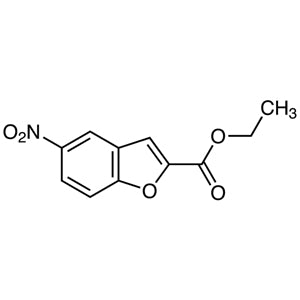
- TCI E0950 69604-00-8 Ethyl 5-Nitrobenzofuran-2-carboxylate
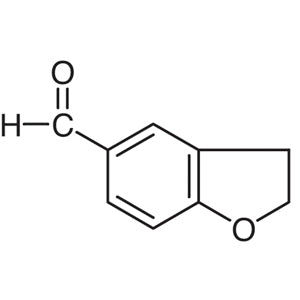
- TCI D3857 55745-70-5 2,3-Dihydrobenzofuran-5-carboxaldehyde
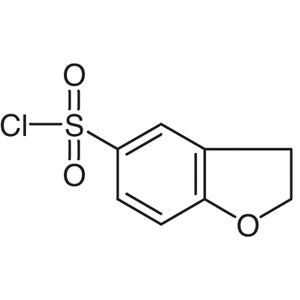
- TCI D3553 115010-11-2 2,3-Dihydrobenzofuran-5-sulfonyl Chloride
- TCI D1583 496-16-2 2,3-Dihydrobenzofuran
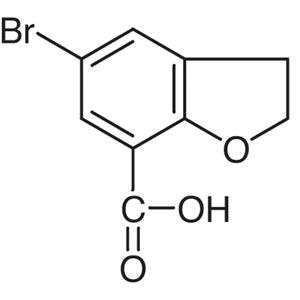
- TCI B1705 41177-72-4 5-Bromo-2,3-dihydrobenzofuran-7-carboxylic Acid
- Organic synthesis applications benefit from this compound's ability to form complex heterocyclic structures, supporting the development of pharmaceuticals and bioactive molecules.
- It is ideal for drug discovery projects due to its role in creating compounds with potential therapeutic properties, including antitumor and antiviral activities.
- In chemical research, it serves as a building block for synthesizing new organic materials with unique chemical properties and functional groups.
- Its reactivity makes it suitable for coupling reactions, enabling the creation of diverse molecular architectures in synthetic chemistry.
- It is frequently used in academic research settings to explore new chemical pathways and improve synthetic methodologies for advanced compounds.
| Brand | TCI |
|---|---|
| CAS number | 35700-40-4 |
| Molecular formula | — |
| Purity | — |
| Category | Chemistry > Building Blocks > Heterocyclic Building Blocks |
| Pack sizes | Available in standard laboratory quantities as per supplier specifications |
| Physical form | Solid, typically in crystalline or powder form |
| Storage | Requires storage in a dry, cool environment away from moisture and air exposure |
This compound should be stored in a dry, cool environment to prevent degradation due to its sensitivity to moisture and air. It is recommended to use airtight containers made of materials such as glass or high-density polyethylene to minimize exposure to humidity and atmospheric gases. Proper labeling and storage conditions are essential to maintain its chemical integrity. In laboratory settings, it is important to handle the compound with care, using appropriate personal protective equipment to ensure safety during synthesis and experimentation. Regular monitoring of storage conditions helps in preserving its effectiveness for research applications.
—
Produk Terkait
-
5-Nitrobenzofuran-2-carboxylicAcid TCI N1035
Regular price From Rp 1.936.200,00Regular price -
Ethyl5-Nitrobenzofuran-2-carboxylate TCI E0950
Regular price From Rp 1.510.950,00Regular price -
2,3-Dihydrobenzofuran-5-carboxaldehyde TCI D3857
Regular price From Rp 1.829.100,00Regular price -
2,3-Dihydrobenzofuran-5-sulfonylChloride TCI D3553
Regular price From Rp 2.094.750,00Regular price -
2,3-Dihydrobenzofuran TCI D1583
Regular price From Rp 928.200,00Regular price -
5-Bromo-2,3-dihydrobenzofuran-7-carboxylicAcid TCI B1705
Regular price From Rp 2.147.250,00Regular price -
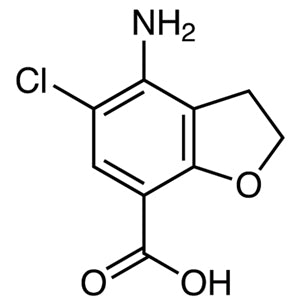
4-Amino-5-chloro-2,3-dihydrobenzofuran-7-carboxylicAcid TCI A2918
Regular price From Rp 1.353.450,00Regular price -
Ethyl2-Amino-4,5,6,7-tetrahydrobenzo[b]thiophene-3-carboxylate TCI A1355
Regular price Rp 3.100.650,00Regular price

![4506-71-2 Ethyl 2-Amino-4,5,6,7-tetrahydrobenzo[b]thiophene-3-carboxylate - AMI Scientific](http://amiscientific.com/cdn/shop/files/TCI2510A1355.jpg?v=1767081225&width=533)