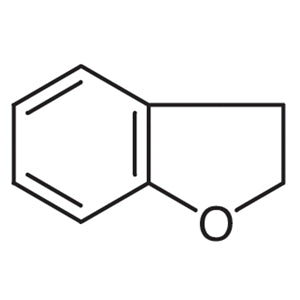
2,3-Dihydrobenzofuran is a chemical compound classified under the heterocyclic category, featuring an aromatic ring structure with two oxygen atoms. This compound plays a crucial role in laboratory settings as a building block for the synthesis of complex molecules with biological activity. It is widely used in the development of pharmaceuticals and pharmacological compounds, enabling researchers to design and create new substances with specific properties. Its presence in various research fields, including organic chemistry and biochemistry, highlights its importance in advancing scientific discovery.
The compound is known for its stable chemical structure and controlled reactivity, making it a preferred choice in chemical reactions. Its non-polar nature allows it to participate in substitution and addition reactions, enhancing its versatility in synthetic processes. Additionally, its resistance to degradation ensures reliability in long-term experiments. These characteristics make it an essential material for researchers aiming to maintain chemical stability during synthesis and experimentation.
In Indonesian laboratories, 2,3-Dihydrobenzofuran is commonly used in pharmaceutical research, organic chemistry, and biochemical studies. Its availability in the local market supports ongoing research efforts, facilitating the development of new compounds and modifications of existing ones. This compound is a valuable resource for scientists working on drug discovery and chemical innovation.
Related TCI products
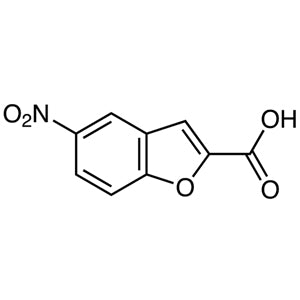
- TCI N1035 10242-12-3 5-Nitrobenzofuran-2-carboxylic Acid
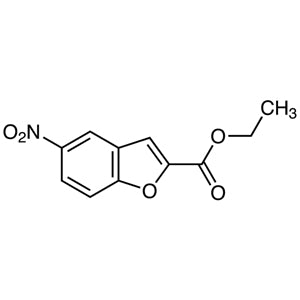
- TCI E0950 69604-00-8 Ethyl 5-Nitrobenzofuran-2-carboxylate
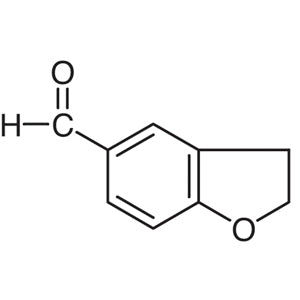
- TCI D3857 55745-70-5 2,3-Dihydrobenzofuran-5-carboxaldehyde
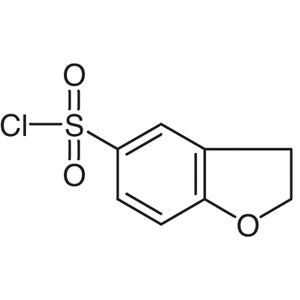
- TCI D3553 115010-11-2 2,3-Dihydrobenzofuran-5-sulfonyl Chloride
- TCI D2446 35700-40-4 2,3-Dihydrobenzofuran-7-carboxylic Acid
- TCI A1355 4506-71-2 Ethyl 2-Amino-4,5,6,7-tetrahydrobenzo[b]thiophene-3-carboxylate
- Pharmaceutical research utilizes 2,3-Dihydrobenzofuran as a key building block for synthesizing bioactive compounds due to its structural versatility and stability.
- Organic chemistry experiments benefit from its non-polar nature and reactivity, allowing it to participate in substitution and addition reactions efficiently.
- Biochemical studies leverage its role in creating complex molecules with specific biological functions, aiding in drug development and molecular design.
- Chemical synthesis projects rely on its controlled reactivity and stability to ensure consistent results in multi-step reactions.
- Academic research in Indonesia uses this compound to explore new synthetic pathways and modify existing compounds for improved pharmacological properties.
| Brand | TCI |
|---|---|
| CAS number | 496-16-2 |
| Molecular formula | — |
| Purity | — |
| Category | Chemistry > Building Blocks > Heterocyclic Building Blocks |
| Pack sizes | Available in various quantities as per standard laboratory supply |
| Physical form | Solid |
| Storage | Store in a cool, dry place away from light and moisture |
2,3-Dihydrobenzofuran should be stored in a cool, dry environment, away from direct light and moisture to maintain its chemical stability. It is recommended to use airtight containers to prevent exposure to air and contaminants. Due to its non-polar nature, it is advisable to store it in a sealed container to avoid any potential reactions with moisture or other substances. In a laboratory setting, it should be handled with care, using appropriate personal protective equipment to ensure safety. Proper storage conditions help preserve its integrity and ensure its effectiveness in chemical reactions and research applications.
—
Produk Terkait
-
5-Nitrobenzofuran-2-carboxylicAcid TCI N1035
Regular price From Rp 1.936.200,00Regular price -
Ethyl5-Nitrobenzofuran-2-carboxylate TCI E0950
Regular price From Rp 1.510.950,00Regular price -
2,3-Dihydrobenzofuran-5-carboxaldehyde TCI D3857
Regular price From Rp 1.829.100,00Regular price -
2,3-Dihydrobenzofuran-5-sulfonylChloride TCI D3553
Regular price From Rp 2.094.750,00Regular price -
2,3-Dihydrobenzofuran-7-carboxylicAcid TCI D2446
Regular price From Rp 2.518.950,00Regular price -
Ethyl2-Amino-4,5,6,7-tetrahydrobenzo[b]thiophene-3-carboxylate TCI A1355
Regular price Rp 3.100.650,00Regular price -
5-Bromo-2,3-dihydrobenzofuran TCI B4318
Regular price Rp 1.803.900,00Regular price -
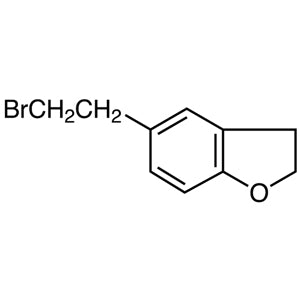
5-(2-Bromoethyl)-2,3-dihydrobenzofuran TCI B4066
Regular price From Rp 2.597.700,00Regular price

![4506-71-2 Ethyl 2-Amino-4,5,6,7-tetrahydrobenzo[b]thiophene-3-carboxylate - AMI Scientific](http://amiscientific.com/cdn/shop/files/TCI2510A1355.jpg?v=1767081225&width=533)