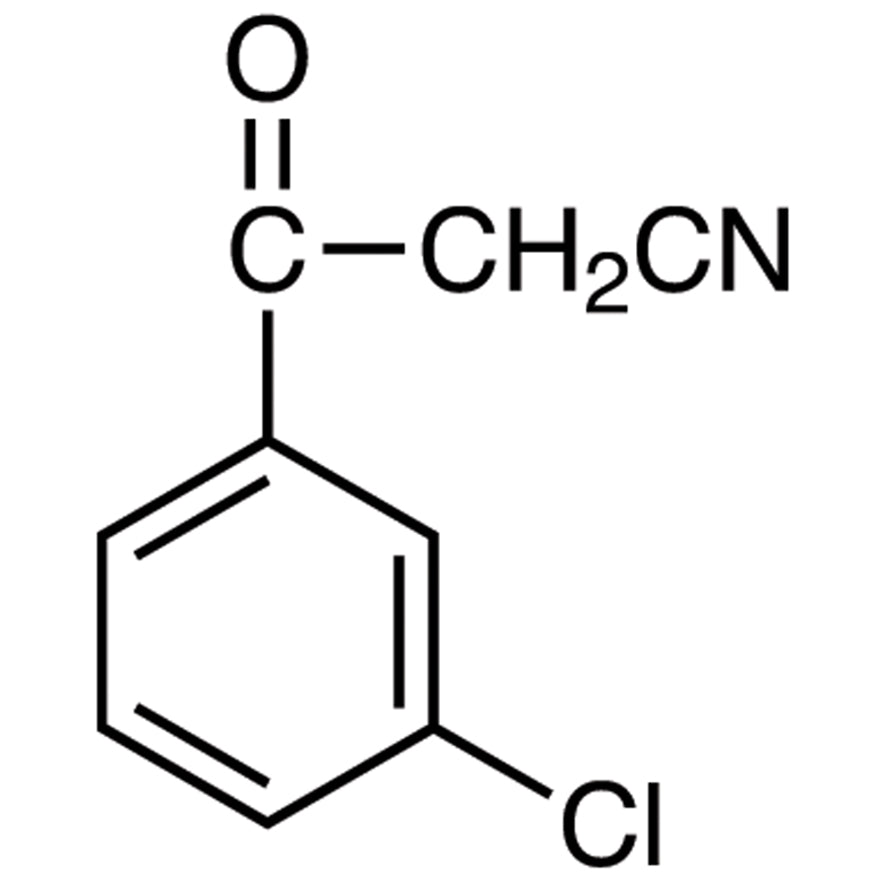
(3-Chlorobenzoyl)acetonitrile is a versatile chemical compound widely used in synthetic chemistry applications. It serves as a key building block in the synthesis of complex organic molecules, particularly in nucleophilic substitution and condensation reactions. This compound is essential in laboratory settings where the creation of specific molecular structures is required. Its reactivity and chemical stability make it a valuable resource for researchers aiming to develop new compounds. The compound's ability to participate in various chemical reactions makes it a fundamental tool in organic chemistry laboratories.
The chemical properties of (3-Chlorobenzoyl)acetonitrile, including its solubility in organic solvents like ethyl acetate and chloroform, contribute to its popularity among chemists. Its reactivity allows it to interact with a wide range of reagents, making it suitable for diverse synthetic pathways. The compound’s stability under controlled conditions ensures consistent results in laboratory experiments. These characteristics make it a preferred choice for both academic and industrial research.
In Indonesian laboratories, (3-Chlorobenzoyl)acetonitrile is commonly used in organic chemistry research, especially in the development of pharmaceutical compounds and industrial chemicals. Its application extends to studies involving chemical reactions that require precise molecular manipulation. Due to its versatility and effectiveness, it remains a staple in chemical synthesis processes across various research fields in Indonesia.
Related TCI products
- TCI C2582 4640-66-8 (4-Chlorobenzoyl)acetonitrile
- TCI C2580 40018-25-5 (2-Chlorobenzoyl)acetonitrile
- TCI N1013 35657-36-4 O-(4-Nitrobenzoyl)hydroxylamine
- TCI N0942 59642-21-6 N-(4-Nitrobenzoyl)-beta-alanine
- TCI D0825 99-33-2 3,5-Dinitrobenzoyl Chloride
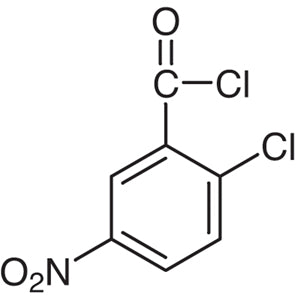
- TCI C0499 25784-91-2 2-Chloro-5-nitrobenzoyl Chloride
- Organic synthesis is a primary application where (3-Chlorobenzoyl)acetonitrile is used to create complex molecular structures through nucleophilic substitution reactions.
- Pharmaceutical research benefits from this compound as it is utilized in the development of new drug compounds due to its reactivity and structural versatility.
- Industrial chemical production often incorporates this material for the synthesis of specialty chemicals and intermediates.
- Research on condensation reactions frequently employs this compound because of its ability to participate in various reaction mechanisms.
- Analytical chemistry laboratories use it as a reference standard for identifying and quantifying organic compounds in complex mixtures.
| Brand | TCI |
|---|---|
| CAS number | 21667-62-9 |
| Molecular formula | — |
| Purity | — |
| Category | Chemistry > Building Blocks > Non-Heterocyclic Building Blocks |
| Pack sizes | Available in various quantities as per supplier specifications |
| Physical form | Solid or liquid depending on the specific product variant |
| Storage | Store in a cool, dry place away from moisture and direct sunlight |
(3-Chlorobenzoyl)acetonitrile should be stored in a cool, dry environment to maintain its chemical integrity. It is recommended to keep the compound in a sealed container to prevent exposure to moisture and air. Due to its reactivity, it should be handled with care in a well-ventilated laboratory setting. Suitable containers for storage include glass or high-density polyethylene vessels that are resistant to chemical degradation. Avoid storing near incompatible substances such as strong bases or reducing agents. Always follow standard laboratory safety protocols when handling this material to ensure a safe working environment.
—
Produk Terkait
-
(4-Chlorobenzoyl)acetonitrile TCI C2582
Regular price Rp 6.333.600,00Regular price -
(2-Chlorobenzoyl)acetonitrile TCI C2580
Regular price From Rp 1.326.150,00Regular price -
O-(4-Nitrobenzoyl)hydroxylamine TCI N1013
Regular price From Rp 1.220.100,00Regular price -
N-(4-Nitrobenzoyl)-beta-alanine TCI N0942
Regular price From Rp 664.650,00Regular price -
3,5-DinitrobenzoylChloride TCI D0825
Regular price From Rp 1.644.300,00Regular price -
2-Chloro-5-nitrobenzoylChloride TCI C0499
Regular price Rp 3.870.300,00Regular price -
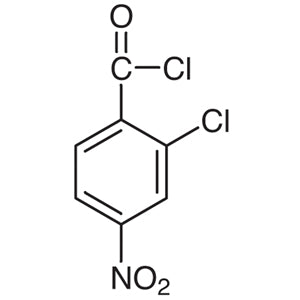
2-Chloro-4-nitrobenzoylChloride TCI C0425
Regular price Rp 5.009.550,00Regular price -
(Methyleneamino)acetonitrile TCI M0212
Regular price From Rp 928.200,00Regular price