TCI C3076 3'-Chloro-4'-hydroxyacetophenone is an aromatic compound that combines an acetyl group (methyl ketone) with a phenolic hydroxyl group and a chlorine atom on a single benzene ring. As a non-heterocyclic building block, this compound is highly useful in organic synthesis laboratories because it provides two complementary functional groups that can be elaborated separately or together. Hydroxyacetophenone derivatives are classical precursors for constructing chalcone, flavone, chromone, and various synthetic polyphenol frameworks that are widely studied in natural product chemistry and medicinal chemistry.
The property that makes this material a preferred choice is the high reactivity of its methyl ketone group. The alpha protons on the acetyl group are sufficiently acidic to be deprotonated readily, forming an enolate that can then be reacted through aldol condensation or Claisen–Schmidt condensation with aromatic aldehydes to produce chalcones. These chalcones are subsequently cyclised into flavones or flavanones. Meanwhile, the phenolic hydroxyl group can be protected, alkylated, or acylated as required, while the chlorine atom contributes electronic and steric variation that influences the behaviour of the resulting molecules.
In Indonesian laboratories, this building block is typically used in university organic synthesis groups, natural product chemistry research units, and medicinal chemistry programmes exploring flavonoid-type scaffolds. It suits work where a small, well-defined starting material is needed to prepare a series of analogues from a common intermediate. It is also appropriate for graduate research, method development, and small-scale exploratory synthesis carried out before any decision to scale a route further.
Related TCI products
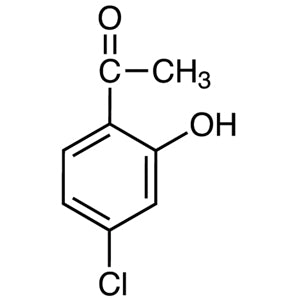
- TCI C2968 6921-66-0 4'-Chloro-2'-hydroxyacetophenone
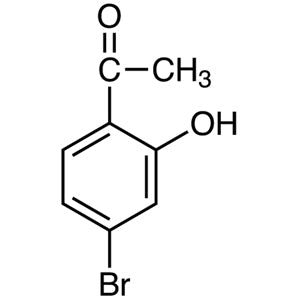
- TCI B5382 30186-18-6 4'-Bromo-2'-hydroxyacetophenone
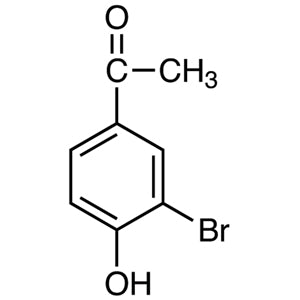
- TCI B5158 1836-06-2 3'-Bromo-4'-hydroxyacetophenone
- TCI B4735 2491-36-3 2-Bromo-2'-hydroxyacetophenone
- TCI B4115 2491-38-5 2-Bromo-4'-hydroxyacetophenone
- TCI A3049 54255-50-4 3'-Amino-4'-hydroxyacetophenone
- Chalcone synthesis: the acidic alpha protons of the acetyl group allow straightforward enolate formation and Claisen–Schmidt condensation with aromatic aldehydes under standard laboratory conditions.
- Flavone and flavanone preparation: chalcones derived from this ketone can be cyclised into flavone or flavanone frameworks, making it a direct entry point into flavonoid chemistry.
- Chromone scaffold construction: as a hydroxyacetophenone derivative, it serves as a classical precursor for building chromone cores studied extensively in natural product chemistry.
- Synthetic polyphenol research: the phenolic hydroxyl provides a handle for protection, alkylation, or acylation, supporting the preparation of polyphenol analogues for structure–activity studies.
- Medicinal chemistry analogue libraries: the chlorine substituent introduces electronic and steric variation, allowing researchers to prepare related analogues from a single common intermediate.
| Brand | TCI |
|---|---|
| CAS number | 2892-29-7 |
| Molecular formula | — |
| Purity | — |
| Category | Chemistry > Building Blocks > Non-Heterocyclic Building Blocks |
| Pack sizes | available in the standard TCI catalogue pack sizes for this item |
| Physical form | — |
| Storage | store according to the conditions stated on the manufacturer label and safety data sheet |
- Product code: C3076
Store the container tightly closed in a cool, dry, well-ventilated area away from direct sunlight, heat sources, and incompatible materials, following the conditions stated on the manufacturer label and safety data sheet. Keep the material in its original supplier container, or in a clean, chemically compatible and clearly labelled vessel if transferred. Handle in a fume hood using appropriate personal protective equipment, including safety glasses, gloves, and a laboratory coat. Avoid generating dust, avoid contact with skin and eyes, and close the container promptly after each use to limit exposure to moisture and air. Dispose of residues and contaminated materials in accordance with applicable laboratory waste procedures.
—
Produk Terkait
-
4'-Chloro-2'-hydroxyacetophenone TCI C2968
Regular price From Rp 2.094.750,00Regular price -
4'-Bromo-2'-hydroxyacetophenone TCI B5382
Regular price From Rp 823.200,00Regular price -
3'-Bromo-4'-hydroxyacetophenone TCI B5158
Regular price Rp 2.862.300,00Regular price -
2-Bromo-2'-hydroxyacetophenone TCI B4735
Regular price From Rp 1.565.550,00Regular price -
2-Bromo-4'-hydroxyacetophenone TCI B4115
Regular price From Rp 823.200,00Regular price -
3'-Amino-4'-hydroxyacetophenone TCI A3049
Regular price Rp 5.750.850,00Regular price -
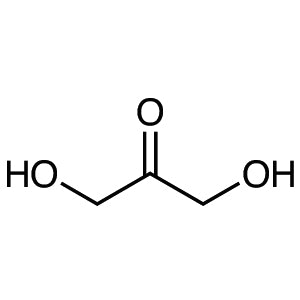
1,3-Dihydroxyacetone TCI D5818
Regular price From Rp 795.900,00Regular price -
3',5'-Dichloro-4'-hydroxyacetophenone TCI D5020
Regular price From Rp 2.491.650,00Regular price