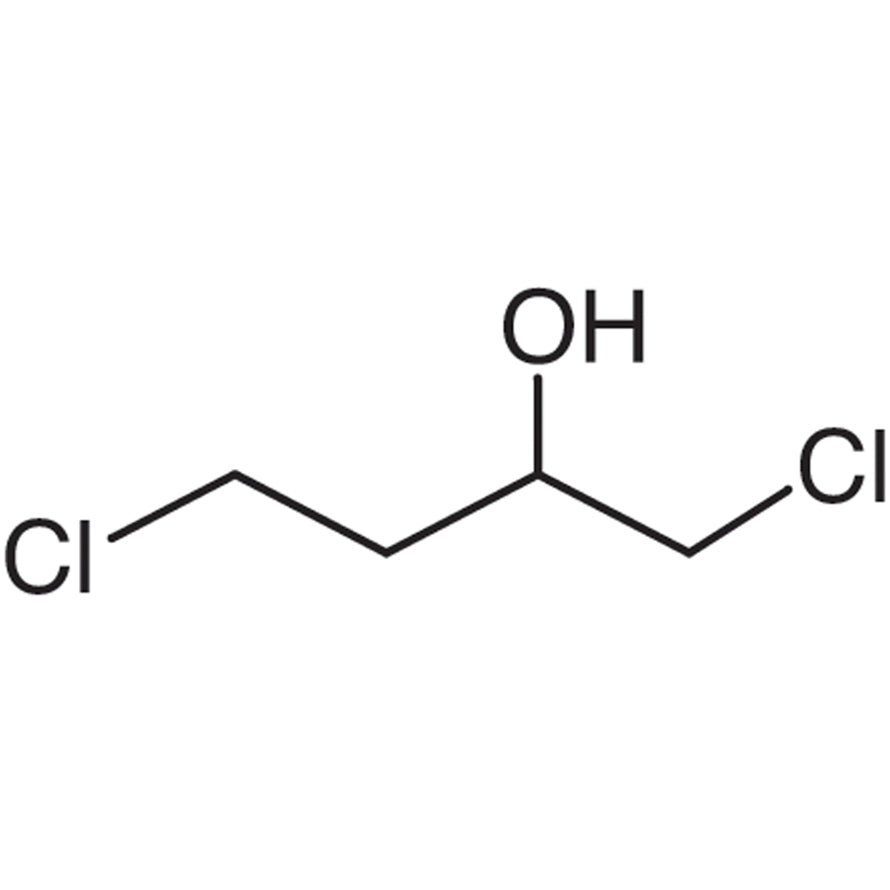
1,4-Dichloro-2-butanol is an aliphatic four-carbon compound bearing two chlorine atoms at the ends of the chain and one hydroxyl group at the second position. The combination of three functional groups within such a small molecule makes it a highly versatile non-heterocyclic building block. In synthetic laboratories, this compound serves as a three-carbon to four-carbon linker that can be cyclised into rings, extended into longer chains, or converted into a double electrophile. Its availability as a commercial reagent saves researchers considerable time compared with preparing halohydrin derivatives in-house from simpler starting materials.
The property that makes this compound a preferred choice is the graduated reactivity across its functional groups. The two primary chlorine atoms are good sites for nucleophilic substitution, while the secondary hydroxyl group can be deprotonated, protected, oxidised, or converted into a leaving group. When the hydroxyl is deprotonated, the resulting alkoxide can attack the neighbouring chlorinated carbon intramolecularly to form an epoxide ring or another oxygen-containing ring, a pathway that is particularly useful for constructing saturated heterocycles. This tiered reactivity allows chemists to address one functional group at a time within a single planned sequence.
In Indonesian laboratories, 1,4-dichloro-2-butanol is typically used in academic and industrial research settings where multi-step organic synthesis is carried out — university chemistry departments, government research institutes, and formulation or process development laboratories. It is generally ordered in modest quantities as a specialty intermediate for a specific synthetic route rather than as a bulk consumable, and is handled in a fume hood by trained personnel as part of standard organic synthesis practice.
- Epoxide synthesis — intramolecular ring closure of the deprotonated hydroxyl onto an adjacent chlorinated carbon gives an epoxide, providing a direct route to a strained, highly reactive oxygen ring.
- Saturated heterocycle construction — the compound supplies both an oxygen nucleophile and two electrophilic carbons, so it can be cyclised into oxygen-containing rings without additional linker reagents.
- Bis-alkylation and double electrophile chemistry — the two primary chlorides allow sequential or simultaneous nucleophilic substitution, letting chemists join two nucleophilic fragments through a short carbon bridge.
- Chain extension and linker installation — as a three- to four-carbon connector it lengthens an existing carbon skeleton while leaving a hydroxyl handle available for later functionalisation.
- Hydroxyl-directed derivatisation studies — the secondary alcohol can be selectively protected, oxidised, or converted to a leaving group, making the molecule useful for teaching and probing chemoselective sequences.
| Brand | TCI |
|---|---|
| CAS number | 2419-74-1 |
| Molecular formula | — |
| Purity | — |
| Category | Chemistry > Building Blocks > Non-Heterocyclic Building Blocks |
| Pack sizes | available in standard research-scale packaging as supplied by the manufacturer |
| Physical form | liquid |
| Storage | keep in the closed original container under the conditions stated on the manufacturer's label and safety data sheet |
- Catalogue reference: D2194
Store the material in its tightly closed original container in a cool, dry, well-ventilated area intended for organic chemicals, away from heat sources, ignition sources, and incompatible substances such as strong bases and strong oxidising agents. Because the product is a liquid, use chemically compatible containers and secondary containment, and keep bottles upright to prevent leakage. Handle and transfer the compound inside a fume hood, wearing safety goggles, chemically resistant gloves, and a laboratory coat. Avoid inhalation of vapours and contact with skin and eyes. Close containers immediately after use to limit vapour release and moisture ingress, label any aliquots clearly, and dispose of residues and contaminated materials as halogenated organic waste in line with institutional procedures. Always consult the manufacturer's safety data sheet before first use.
—
Produk Terkait
-
1-Bromo-2-butanol(containsca.30%2-Bromo-1-butanol) TCI B0932
Regular price Rp 2.359.350,00Regular price -
1-Phenyl-1-butanol TCI P1682
Regular price From Rp 1.220.100,00Regular price -
4-Phenyl-1-butanol TCI P1275
Regular price From Rp 795.900,00Regular price -
4-Phenyl-2-butanol TCI P0876
Regular price Rp 3.260.250,00Regular price -
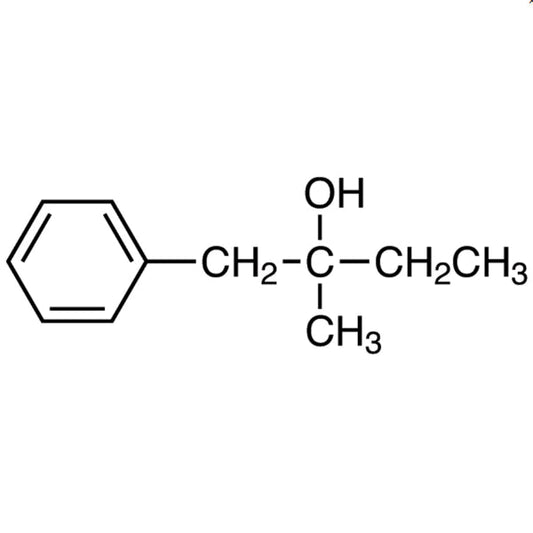
2-Methyl-1-phenyl-2-butanol TCI M2010
Regular price Rp 795.900,00Regular price -
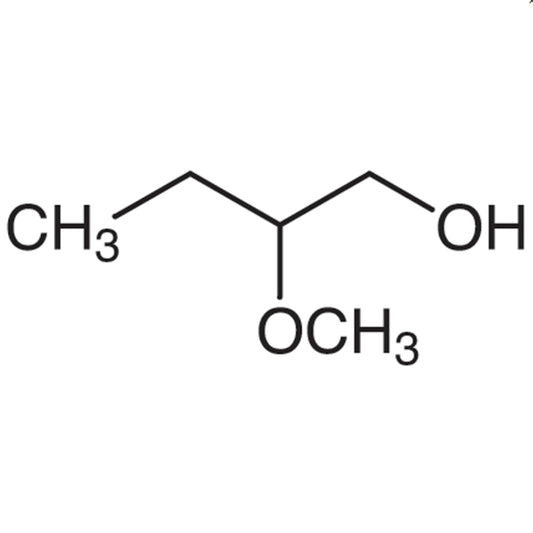
2-Methoxy-1-butanol TCI M1497
Regular price From Rp 3.630.900,00Regular price -
1-Methoxy-2-butanol TCI M0747
Regular price From Rp 980.700,00Regular price -
2-Methyl-4-phenyl-2-butanol TCI M0398
Regular price From Rp 795.900,00Regular price