1-Bromo-2-butanol is a chemical compound widely used in organic laboratory reactions. It serves as a versatile building block in the synthesis of more complex molecules. This compound is particularly valued for its ability to participate in nucleophilic substitution reactions, making it a key reagent in organic chemistry. Its bromine functional group enhances its reactivity, allowing it to interact with various nucleophiles such as alcohols, amines, and hydroxide ions. This makes it an essential tool for researchers aiming to construct intricate molecular structures.
The chemical properties of 1-Bromo-2-butanol make it a preferred choice in laboratory settings. Its reactivity with nucleophilic reagents enables a wide range of synthetic applications. The presence of approximately 30% 2-Bromo-1-butanol in the mixture adds versatility, allowing for multiple reaction pathways. This dual composition provides flexibility in experimental design, making it suitable for both academic and industrial research. Its stability under controlled conditions ensures reliable performance in various chemical processes.
In Indonesian laboratories, 1-Bromo-2-butanol is commonly used in organic chemistry research. It is frequently found in academic institutions and research centers where synthetic chemistry is practiced. Its role in creating complex molecular structures supports both teaching and research activities. The compound’s availability and reactivity make it a go-to material for chemists working on diverse projects. Its widespread use highlights its importance in the Indonesian scientific community.
Related TCI products
- TCI C0144 928-51-8 4-Chloro-1-butanol (contains varying amounts of Tetrahydrofuran)
- TCI B0640 19686-73-8 1-Bromo-2-propanol (contains ca. 20% 2-Bromo-1-propanol) (stabilized with MgO)
- TCI P1682 614-14-2 1-Phenyl-1-butanol
- TCI P1275 3360-41-6 4-Phenyl-1-butanol
- TCI P0876 2344-70-9 4-Phenyl-2-butanol
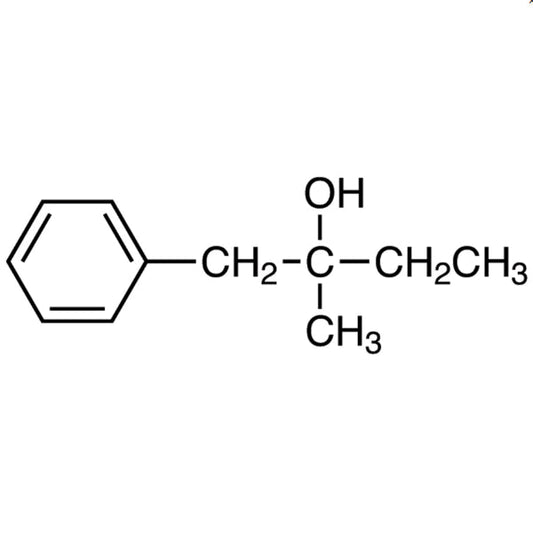
- TCI M2010 772-46-3 2-Methyl-1-phenyl-2-butanol
- Organic synthesis is a primary application where 1-Bromo-2-butanol is used to create complex molecules through nucleophilic substitution reactions.
- Heterocyclic compound synthesis benefits from this reagent due to its ability to form new carbon-carbon bonds.
- Nucleophilic substitution experiments rely on 1-Bromo-2-butanol as a reactive brominated compound that reacts with various nucleophiles.
- Teaching laboratories use this compound to demonstrate reaction mechanisms and synthetic pathways in organic chemistry courses.
- Research institutions incorporate it into their synthetic protocols to develop new compounds and materials for scientific advancement.
| Brand | TCI |
|---|---|
| CAS number | 2482-57-7 |
| Molecular formula | — |
| Purity | — |
| Category | Chemistry > Building Blocks > Non-Heterocyclic Building Blocks |
| Pack sizes | Available in standard laboratory quantities |
| Physical form | Liquid |
| Storage | Store in a cool, dry place away from light and incompatible materials |
1-Bromo-2-butanol should be stored in a cool, dry environment to maintain its stability. It is recommended to keep it in a sealed container to prevent exposure to air and moisture. The compound should be stored away from incompatible substances such as strong oxidizers and bases. Suitable containers include glass or polyethylene bottles with tight-fitting lids. Laboratory personnel should handle the material with care, using appropriate personal protective equipment. Due to its reactivity, it is important to avoid direct contact with skin and eyes. Proper ventilation should be maintained in the workspace to minimize inhalation risks.
—
Produk Terkait
-
4-Chloro-1-butanol(containsvaryingamountsofTetrahydrofuran) TCI C0144
Regular price From Rp 1.510.950,00Regular priceRp 1.056.300,00Sale price From Rp 1.510.950,00 -
1-Bromo-2-propanol(containsca.20%2-Bromo-1-propanol)(stabilizedwithMgO) TCI B0640
Regular price Rp 2.306.850,00Regular priceRp 1.612.800,00Sale price Rp 2.306.850,00 -
1-Phenyl-1-butanol TCI P1682
Regular price From Rp 1.220.100,00Regular priceRp 852.600,00Sale price From Rp 1.220.100,00 -
4-Phenyl-1-butanol TCI P1275
Regular price From Rp 795.900,00Regular priceRp 556.500,00Sale price From Rp 795.900,00 -
4-Phenyl-2-butanol TCI P0876
Regular price Rp 3.260.250,00Regular priceRp 2.279.550,00Sale price Rp 3.260.250,00 -
2-Methyl-1-phenyl-2-butanol TCI M2010
Regular price Rp 795.900,00Regular priceRp 556.500,00Sale price Rp 795.900,00 -
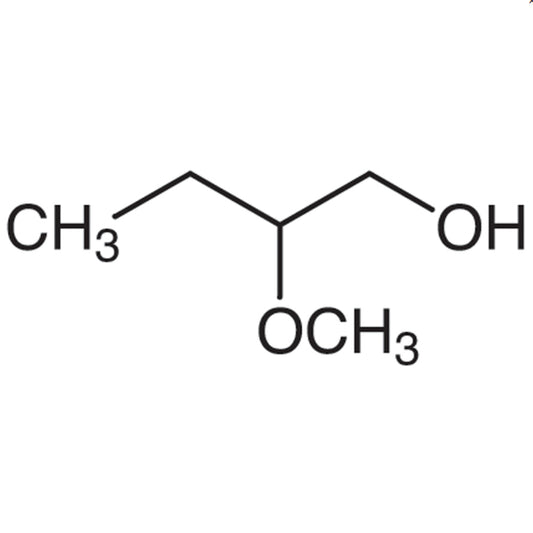
2-Methoxy-1-butanol TCI M1497
Regular price From Rp 3.683.400,00Regular priceRp 2.591.400,00Sale price From Rp 3.683.400,00 -
1-Methoxy-2-butanol TCI M0747
Regular price From Rp 1.033.200,00Regular priceRp 738.150,00Sale price From Rp 1.033.200,00