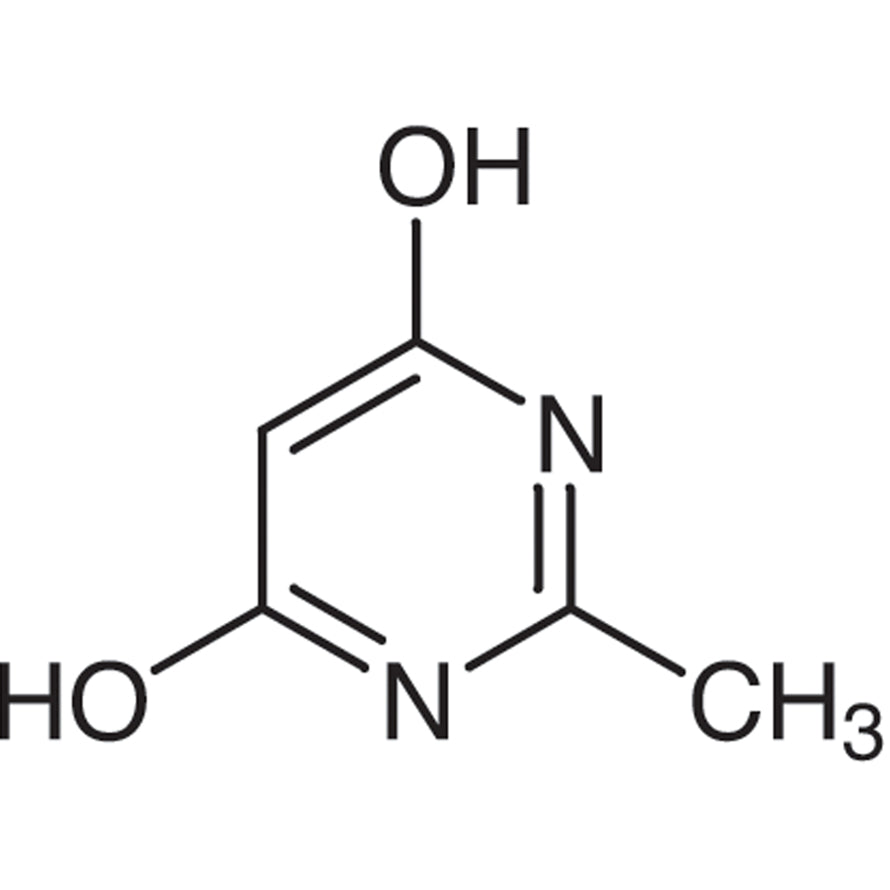
TCI D2589 4,6-Dihydroxy-2-methylpyrimidine is a heterocyclic building block based on a pyrimidine ring carrying two hydroxy groups at positions 4 and 6 and one methyl group at position 2. The pyrimidine ring is an exceptionally important scaffold in medicinal chemistry because it forms the core of many biological molecules, including the nucleobases. For this reason, the compound frequently serves as an entry point for researchers who intend to build molecules with potential biological activity. In the laboratory, its role is to supply a ready-to-use core framework, so that researchers do not have to assemble the pyrimidine ring from scratch.
The property that makes this compound a widely chosen starting material is the reactivity of the hydroxy groups on the ring, which can be converted into leaving groups, most notably through chlorination to give dichloropyrimidine derivatives. Those derivatives become highly useful substrates for nucleophilic aromatic substitution as well as cross-coupling reactions, allowing amine, alkoxy, or aryl groups to be installed in a stepwise and controlled manner at different positions. The methyl group at position 2 contributes a particular electronic and steric character that is useful when fine-tuning the properties of the final molecule.
In Indonesian laboratories, this material is typically used in synthetic organic chemistry and medicinal chemistry research at universities, research institutes, and pharmaceutical development units. It is normally handled at the bench scale for exploratory route development, where a defined heterocyclic core shortens the synthetic sequence toward target compounds. As a solid, it is straightforward to weigh out, transfer, and store under ordinary laboratory conditions, which suits research groups running multiple parallel syntheses.
Related TCI products
- TCI B1089 41840-28-2 2-(tert-Butoxycarbonylthio)-4,6-dimethylpyrimidine [Boc Agent for Peptides Synthesis]
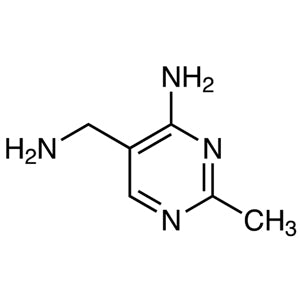
- TCI A2633 95-02-3 4-Amino-5-aminomethyl-2-methylpyrimidine
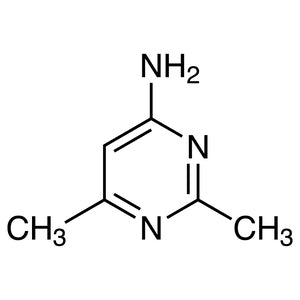
- TCI A2091 461-98-3 4-Amino-2,6-dimethylpyrimidine
- TCI A1474 108-52-1 2-Amino-4-methylpyrimidine
- TCI A1470 732304-23-3 4-Amino-6-hydroxy-2-methylpyrimidine Hydrate
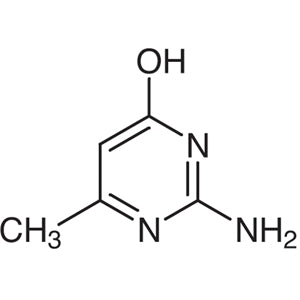
- TCI A1204 3977-29-5 2-Amino-4-hydroxy-6-methylpyrimidine
- Medicinal chemistry scaffold development — the pyrimidine core mirrors the ring system found in many biologically relevant molecules, making it a logical entry point for building candidate structures with potential activity.
- Chlorination to dichloropyrimidine intermediates — the two ring hydroxy groups can be converted into leaving groups, giving activated substrates that are far more reactive toward subsequent functionalization steps.
- Nucleophilic aromatic substitution studies — the chlorinated derivatives readily accept amine and alkoxy nucleophiles, enabling controlled, stepwise installation of substituents at distinct ring positions.
- Cross-coupling reaction substrates — derivatives prepared from this building block serve as partners for coupling chemistry, allowing aryl groups to be attached to the heterocyclic framework in a directed manner.
- Nucleobase-related and heterocyclic model studies — because pyrimidine underpins the nucleobases, this compound supports academic work exploring the reactivity and derivatization of biologically important ring systems.
| Brand | TCI |
|---|---|
| CAS number | 40497-30-1 |
| Molecular formula | — |
| Purity | — |
| Category | Chemistry > Building Blocks > Heterocyclic Building Blocks |
| Pack sizes | available in standard TCI research laboratory pack sizes; please confirm the currently offered packaging when ordering. |
| Physical form | solid |
| Storage | store in a tightly closed container in a cool, dry, well-ventilated place, following the manufacturer's product documentation. |
Store the material in its original tightly closed container, in a cool, dry, and well-ventilated area away from moisture, direct sunlight, and incompatible chemicals. Glass or the manufacturer's supplied packaging is suitable for keeping the solid dry and free of contamination; reseal the container promptly after each use. Weigh and transfer the compound in a fume hood or a well-ventilated workspace, using a clean, dry spatula to avoid cross-contamination between batches. Wear standard laboratory personal protective equipment, including a lab coat, safety goggles, and chemical-resistant gloves, and avoid inhaling dust or generating airborne powder. Wash hands thoroughly after handling, keep containers clearly labelled, and always consult the manufacturer's safety data sheet before use and before disposing of any residues or contaminated materials.
—
Produk Terkait
-
2-(tert-Butoxycarbonylthio)-4,6-dimethylpyrimidine[BocAgentforPeptidesSynthesis] TCI B1089
Regular price From Rp 1.008.000,00Regular price -
4-Amino-5-aminomethyl-2-methylpyrimidine TCI A2633
Regular price Rp 4.743.900,00Regular price -
4-Amino-2,6-dimethylpyrimidine TCI A2091
Regular price From Rp 1.644.300,00Regular price -
2-Amino-4-methylpyrimidine TCI A1474
Regular price From Rp 664.650,00Regular price -
4-Amino-6-hydroxy-2-methylpyrimidineHydrate TCI A1470
Regular price From Rp 743.400,00Regular price -
2-Amino-4-hydroxy-6-methylpyrimidine TCI A1204
Regular price From Rp 928.200,00Regular price -
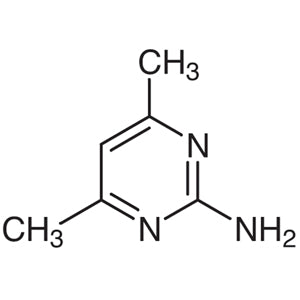
2-Amino-4,6-dimethylpyrimidine TCI A1083
Regular price Rp 823.200,00Regular price -
2-Amino-4-methoxy-6-methylpyrimidine TCI A0950
Regular price From Rp 1.485.750,00Regular price
![41840-28-2 2-(tert-Butoxycarbonylthio)-4,6-dimethylpyrimidine [Boc Agent for Peptides Synthesis] - AMI Scientific](http://amiscientific.com/cdn/shop/files/TCI2510B1089_7b65c1b0-ca0b-4b1a-822b-5b995d7e14c0.jpg?v=1767231194&width=533)