4-Amino-5-aminomethyl-2-methylpyrimidine is a chemical compound widely used in organic synthesis reactions. It serves as a key building block in the development of complex molecules, particularly in pharmaceutical and organic chemistry research. This compound features a pyrimidine ring with two amino groups attached at specific positions, making it highly versatile for chemical modifications. Its structural complexity allows it to participate in various synthetic pathways, contributing to the creation of bioactive compounds. In laboratory settings, it is a fundamental reagent for chemists working on drug discovery and advanced chemical synthesis.
The reactivity of 4-Amino-5-aminomethyl-2-methylpyrimidine makes it a preferred choice for synthetic chemists. It exhibits stability under certain conditions but is highly reactive towards heat and oxidizing agents. This reactivity enables it to undergo substitution and condensation reactions efficiently, which are essential in the synthesis of new compounds. Its ability to interact with acids, bases, and alkali metals further enhances its utility in diverse chemical processes. These properties make it a valuable tool in laboratories aiming to develop novel chemical structures and pharmaceutical agents.
In Indonesian laboratories, this compound is commonly used in organic chemistry research, especially in the development of pharmaceutical compounds and industrial chemicals. Its solid form and ease of storage make it a practical choice for laboratories requiring reliable and consistent chemical reagents. It is frequently employed in academic and industrial settings where synthetic chemistry is a core activity. Its availability and chemical properties support ongoing research and innovation in the field of chemistry.
Related TCI products
- TCI D6492 1008526-71-3 tert-Butyl 3-(Aminomethyl)-3-hydroxyazetidine-1-carboxylate
- TCI A1474 108-52-1 2-Amino-4-methylpyrimidine
- TCI A1470 732304-23-3 4-Amino-6-hydroxy-2-methylpyrimidine Hydrate
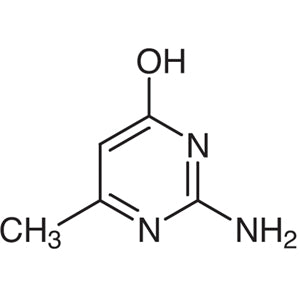
- TCI A1204 3977-29-5 2-Amino-4-hydroxy-6-methylpyrimidine
- TCI A0950 7749-47-5 2-Amino-4-methoxy-6-methylpyrimidine
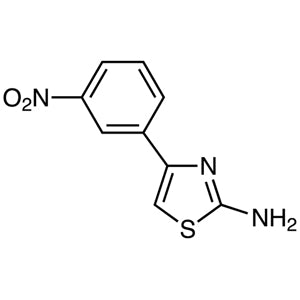
- TCI A3086 57493-24-0 2-Amino-4-(3-nitrophenyl)thiazole
- Organic synthesis research as a versatile building block for creating complex molecules.
- Pharmaceutical development for the synthesis of bioactive compounds and drug candidates.
- Industrial chemical production for the manufacture of specialty chemicals and intermediates.
- Academic research in chemistry for exploring new synthetic pathways and molecular structures.
- Drug discovery projects where reactive functional groups are needed for compound modification.
| Brand | TCI |
|---|---|
| CAS number | 95-02-3 |
| Molecular formula | — |
| Purity | — |
| Category | Chemistry > Building Blocks > Non-Heterocyclic Building Blocks |
| Pack sizes | Available in various quantities as per supplier specifications |
| Physical form | Solid |
| Storage | Store in a cool, dry place away from moisture and direct sunlight |
This compound should be stored in a cool, dry environment to maintain its chemical stability. It is recommended to keep it in a sealed container to prevent exposure to moisture and air. Due to its reactivity, it should be handled with care, using appropriate personal protective equipment such as gloves and goggles. Avoid contact with strong oxidizing agents or high temperatures to prevent unwanted chemical reactions. Proper ventilation is essential when working with this compound to ensure safe laboratory practices. Always follow standard safety protocols when handling reactive chemicals in a laboratory setting.
—
Product Categories
- Building BlocksNon-Heterocyclic Building BlocksNitrogen Compounds [Non-Heterocyclic Building Blocks]
- Building BlocksHeterocyclic Building BlocksNon-Halogenated Heterocyclic Building Blocks
- Pharmaceutical Development and Drug Discovery Research ReagentsBuilding Blocks for Pharmaceutical Ingredients (for Research and Experimental Use)
Produk Terkait
-
tert-Butyl3-(Aminomethyl)-3-hydroxyazetidine-1-carboxylate TCI D6492
Regular price From Rp 1.908.900,00Regular priceRp 1.350.300,00Sale price From Rp 1.908.900,00 -
2-Amino-4-methylpyrimidine TCI A1474
Regular price From Rp 717.150,00Regular priceRp 516.600,00Sale price From Rp 717.150,00 -
4-Amino-6-hydroxy-2-methylpyrimidineHydrate TCI A1470
Regular price From Rp 795.900,00Regular priceRp 572.250,00Sale price From Rp 795.900,00 -
2-Amino-4-hydroxy-6-methylpyrimidine TCI A1204
Regular price From Rp 980.700,00Regular priceRp 701.400,00Sale price From Rp 980.700,00 -
2-Amino-4-methoxy-6-methylpyrimidine TCI A0950
Regular price From Rp 1.538.250,00Regular priceRp 1.090.950,00Sale price From Rp 1.538.250,00 -
2-Amino-4-(3-nitrophenyl)thiazole TCI A3086
Regular price From Rp 717.150,00Regular priceRp 516.600,00Sale price From Rp 717.150,00 -
5-Amino-1-(p-tolyl)pyrazole-4-carbonitrile TCI A3039
Regular price Rp 3.365.250,00Regular priceRp 2.368.800,00Sale price Rp 3.365.250,00 -
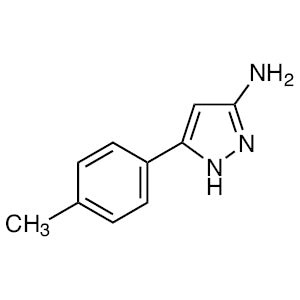
5-Amino-3-(4-methylphenyl)pyrazole TCI A2954
Regular price From Rp 2.677.500,00Regular priceRp 1.887.900,00Sale price From Rp 2.677.500,00