4-Amino-2,6-dimethylpyrimidine is a chemical compound widely used as a building block in the synthesis of heterocyclic compounds. This essential material plays a crucial role in organic chemistry laboratories, where it serves as a key intermediate in the formation of pyrimidine-based structures. These structures are fundamental components of many biologically active molecules, including nucleotides and pharmaceuticals. Its versatility makes it an indispensable tool for researchers aiming to develop new compounds with therapeutic or industrial applications.
The compound is valued for its chemical stability under specific conditions and its ability to participate in substitution and sililation reactions. These properties make it a preferred choice for synthetic chemists working on complex molecular architectures. Its complex yet stable molecular structure facilitates efficient synthesis and reaction pathways, ensuring reliable results in laboratory settings. The reactivity of 4-Amino-2,6-dimethylpyrimidine also allows for a wide range of chemical modifications, enhancing its utility in various research applications.
In Indonesian laboratories, this compound is commonly used in organic chemistry and pharmaceutical research. It supports the development of new drugs and materials by providing a stable and reactive starting point for synthetic processes. Research institutions and universities across Indonesia rely on this compound to advance scientific knowledge and innovation in both academic and industrial contexts. Its availability in suitable packaging ensures ease of use and safe handling in laboratory environments.
Related TCI products
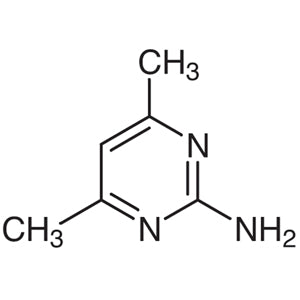
- TCI A1083 767-15-7 2-Amino-4,6-dimethylpyrimidine
- TCI B1089 41840-28-2 2-(tert-Butoxycarbonylthio)-4,6-dimethylpyrimidine [Boc Agent for Peptides Synthesis]
- TCI D4282 1558-17-4 4,6-Dimethylpyrimidine
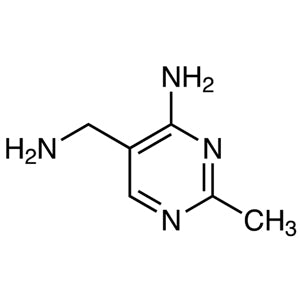
- TCI A2633 95-02-3 4-Amino-5-aminomethyl-2-methylpyrimidine
- TCI A1474 108-52-1 2-Amino-4-methylpyrimidine
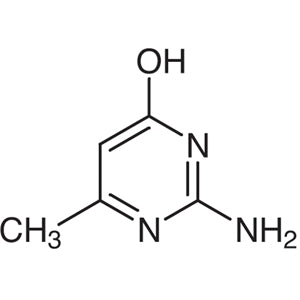
- TCI A1470 732304-23-3 4-Amino-6-hydroxy-2-methylpyrimidine Hydrate
- Organic synthesis of pyrimidine derivatives due to its stable structure and reactivity in substitution reactions.
- Development of pharmaceutical compounds as a key intermediate in the synthesis of nucleotides and bioactive molecules.
- Research in heterocyclic chemistry for the creation of complex molecular frameworks in medicinal chemistry.
- Industrial applications in the production of specialty chemicals requiring pyrimidine-based building blocks.
- Educational use in university laboratories for teaching advanced synthetic techniques and chemical reactivity.
| Brand | TCI |
|---|---|
| CAS number | 461-98-3 |
| Molecular formula | — |
| Purity | — |
| Category | Chemistry > Building Blocks > Heterocyclic Building Blocks |
| Pack sizes | Available in various quantities as per standard laboratory requirements |
| Physical form | Solid |
| Storage | Store in a cool, dry place away from moisture and direct sunlight |
This compound should be stored in a cool, dry environment to maintain its chemical stability. It is recommended to keep it in airtight containers to prevent exposure to moisture and air, which could affect its reactivity. Proper labeling of containers is essential to ensure safe handling and prevent accidental use. In laboratory settings, it should be handled with appropriate personal protective equipment, such as gloves and safety goggles, to minimize direct contact. Storage conditions should avoid extreme temperatures and ensure good ventilation to reduce the risk of any potential chemical interactions. Regular inspection of storage areas is advised to maintain a safe and controlled environment for this reactive material.
—
Produk Terkait
-
2-Amino-4,6-dimethylpyrimidine TCI A1083
Regular price Rp 823.200,00Regular price -
2-(tert-Butoxycarbonylthio)-4,6-dimethylpyrimidine[BocAgentforPeptidesSynthesis] TCI B1089
Regular price From Rp 1.008.000,00Regular price -
4,6-Dimethylpyrimidine TCI D4282
Regular price From Rp 1.273.650,00Regular price -
4-Amino-5-aminomethyl-2-methylpyrimidine TCI A2633
Regular price Rp 4.743.900,00Regular price -
2-Amino-4-methylpyrimidine TCI A1474
Regular price From Rp 664.650,00Regular price -
4-Amino-6-hydroxy-2-methylpyrimidineHydrate TCI A1470
Regular price From Rp 743.400,00Regular price -
2-Amino-4-hydroxy-6-methylpyrimidine TCI A1204
Regular price From Rp 928.200,00Regular price -
2-Amino-4-methoxy-6-methylpyrimidine TCI A0950
Regular price From Rp 1.485.750,00Regular price
![41840-28-2 2-(tert-Butoxycarbonylthio)-4,6-dimethylpyrimidine [Boc Agent for Peptides Synthesis] - AMI Scientific](http://amiscientific.com/cdn/shop/files/TCI2510B1089_7b65c1b0-ca0b-4b1a-822b-5b995d7e14c0.jpg?v=1767231194&width=533)