TCI D3682 Dimethyl 3,4-Dihydroxy-2,5-thiophenedicarboxylate (CAS 58416-04-9) is a heterocyclic building block based on a thiophene ring that carries two hydroxyl groups at the 3- and 4-positions and two methyl ester groups at the 2- and 5-positions. This fully substituted, symmetrical structure makes it a classic starting material in thiophene chemistry, particularly for constructing 3,4-dialkoxythiophene derivatives and fused thiophene systems. In the laboratory, the compound serves as a base scaffold that is ready to be modified through alkylation of the hydroxyl groups, hydrolysis or transesterification of the ester groups, and decarboxylation to obtain the desired thiophene monomer.
The characteristic that makes this material a frequent choice is the combination of two different classes of functional group that can be reacted sequentially on a single stable aromatic framework. The pair of hydroxyl groups at the 3- and 4-positions is nucleophilic and readily alkylated, including with dihalide reagents to form the fused dioxane ring that is the hallmark of highly conductive polythiophene monomers. The double ester groups provide handles for conversion into carboxylic acids or amides, or for removal by decarboxylation. Its solid form makes it straightforward to weigh and dispense.
In Indonesian laboratories, this building block is typically used in university and institutional research groups working on organic synthesis, conducting polymers, and organic electronic materials, as well as in method development for heterocyclic chemistry. It is generally handled at the bench scale within a fume hood, weighed out for multi-step synthetic sequences, and supplied under the TCI brand so that researchers can order a defined heterocyclic scaffold rather than preparing it in-house.
TCI brochures (PDF)
- Thiophenes 2026-06-29 · p. 10
Related TCI products
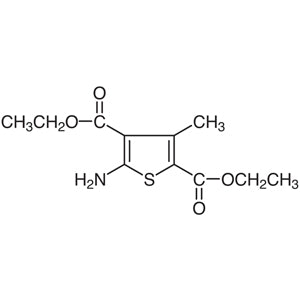
- TCI A1354 4815-30-9 Diethyl 5-Amino-3-methyl-2,4-thiophenedicarboxylate
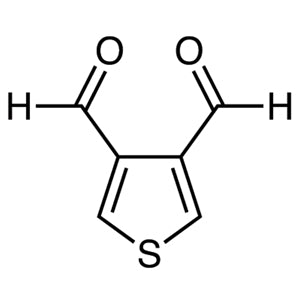
- TCI T3343 1073-31-0 3,4-Thiophenedicarboxaldehyde
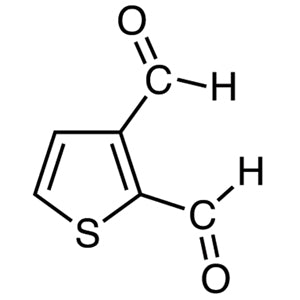
- TCI T2388 932-41-2 2,3-Thiophenedicarboxaldehyde
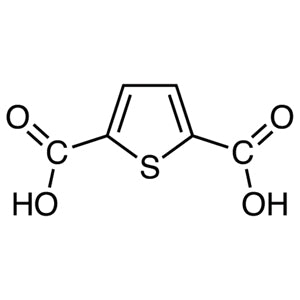
- TCI T2347 4282-31-9 2,5-Thiophenedicarboxylic Acid
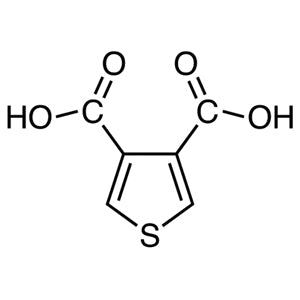
- TCI T2280 4282-29-5 3,4-Thiophenedicarboxylic Acid
- TCI D5869 1214-24-0 3,6-Dihydroxy-9H-xanthen-9-one
- Synthesis of 3,4-dialkoxythiophene derivatives: the free hydroxyl groups at the 3- and 4-positions are nucleophilic and readily alkylated, giving direct access to this important substitution pattern.
- Preparation of fused dioxane thiophene monomers: reaction of the 3,4-dihydroxy pair with dihalide reagents forms the fused ring characteristic of highly conductive polythiophene monomer systems.
- Conducting polymer and organic electronic materials research: the compound acts as the upstream scaffold from which thiophene monomers for polymerization studies are constructed in sequence.
- Ester group transformation chemistry: the two methyl esters can be hydrolyzed, transesterified, or converted into carboxylic acids and amides as synthetic handles for further functionalization.
- Decarboxylation route development: removal of the ester-derived carboxyl functionality allows researchers to reach the target thiophene monomer after the hydroxyl positions have been elaborated.
| Brand | TCI |
|---|---|
| CAS number | 58416-04-9 |
| Molecular formula | — |
| Purity | — |
| Category | Chemistry > Building Blocks > Heterocyclic Building Blocks |
| Pack sizes | available in the standard catalogue pack sizes offered for this TCI product code |
| Physical form | solid, convenient for weighing and dispensing |
| Storage | store in a tightly closed container in a cool, dry place away from light and moisture |
- Chemical name: Dimethyl 3,4-Dihydroxy-2,5-thiophenedicarboxylate
Store the material in its original tightly closed container in a cool, dry, well-ventilated area, protected from light and moisture, and keep it clearly labelled with the product code and CAS number. Amber glass bottles or the manufacturer's supplied container are suitable; reseal promptly after each use and avoid prolonged exposure of the solid to humid air. Handle the compound inside a fume hood using gloves, safety glasses, and a laboratory coat, and weigh it carefully to limit dust generation. Keep it away from strong oxidizing agents and incompatible chemicals, and consult the manufacturer's safety data sheet before use. Dispose of residues and contaminated consumables through the laboratory's chemical waste route.
—
Produk Terkait
-
Diethyl5-Amino-3-methyl-2,4-thiophenedicarboxylate TCI A1354
Regular price From Rp 1.008.000,00Regular price -
3,4-Thiophenedicarboxaldehyde TCI T3343
Regular price Rp 9.486.750,00Regular price -
2,3-Thiophenedicarboxaldehyde TCI T2388
Regular price From Rp 2.199.750,00Regular price -
2,5-ThiophenedicarboxylicAcid TCI T2347
Regular price From Rp 1.060.500,00Regular price -
3,4-ThiophenedicarboxylicAcid TCI T2280
Regular price Rp 2.359.350,00Regular price -
3,6-Dihydroxy-9H-xanthen-9-one TCI D5869
Regular price From Rp 1.298.850,00Regular price -
1,3-Dihydroxy-9H-xanthen-9-one TCI D5344
Regular price From Rp 2.254.350,00Regular price -
2,4-Dihydroxy-5-methoxypyrimidine TCI D4599
Regular price From Rp 452.550,00Regular price