Diethyl 5-Amino-3-methyl-2,4-thiophenedicarboxylate is a chemical compound used as a building block in the synthesis of complex heterocyclic compounds. This material plays a crucial role in laboratory settings where the formation of heterocyclic structures is required. Its molecular structure consists of a thiophene ring linked by two carboxylate groups and two ethyl groups, making it a versatile intermediate in organic synthesis. Due to its unique structure, it is frequently utilized in reactions that demand precise control over bond formation and functional group manipulation.
This compound is preferred for its chemical stability under controlled conditions and its ability to act as an electron donor in substitution and coupling reactions. These properties make it a valuable reagent for the synthesis of compounds with specific functional groups and complex architectures. Its reactivity and selectivity contribute to its effectiveness in various synthetic pathways, supporting the development of pharmaceuticals and advanced materials. The compound's role in facilitating the formation of heterocyclic frameworks is essential in modern chemical research.
In Indonesian laboratories, this compound is commonly used by chemists and materials scientists for the development of new compounds with applications in pharmaceuticals, materials science, and technology. Its use supports research requiring high accuracy and precision in chemical synthesis. The compound is a key component in the creation of novel molecules with specific structural and functional properties. Its availability and reliability make it a preferred choice for researchers working on complex chemical projects.
Related TCI products
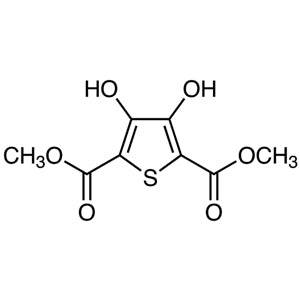
- TCI D3682 58416-04-9 Dimethyl 3,4-Dihydroxy-2,5-thiophenedicarboxylate
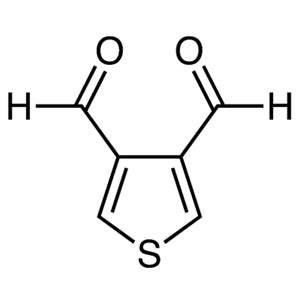
- TCI T3343 1073-31-0 3,4-Thiophenedicarboxaldehyde
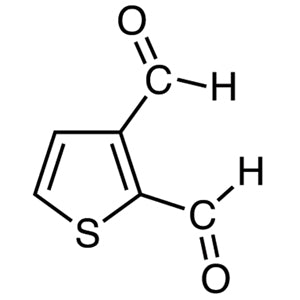
- TCI T2388 932-41-2 2,3-Thiophenedicarboxaldehyde
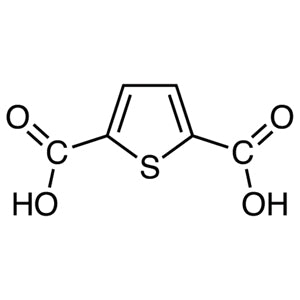
- TCI T2347 4282-31-9 2,5-Thiophenedicarboxylic Acid
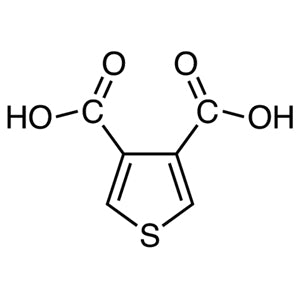
- TCI T2280 4282-29-5 3,4-Thiophenedicarboxylic Acid
- TCI G0415 1222-05-5 1,3,4,6,7,8-Hexahydro-4,6,6,7,8,8-hexamethylcyclopenta[g]-2-benzopyran (ca 50% in Diethyl Phthalate)
- Synthesis of complex heterocyclic compounds for drug development due to its ability to form stable intermediate structures.
- Development of advanced materials requiring precise molecular architecture through controlled chemical reactions.
- Research in pharmaceutical chemistry for the creation of novel therapeutic agents with specific molecular targets.
- Investigation of functional materials where heterocyclic frameworks are essential for desired properties.
- Exploration of new synthetic pathways in organic chemistry that require electron-donating functionalities.
| Brand | TCI |
|---|---|
| CAS number | 4815-30-9 |
| Molecular formula | — |
| Purity | — |
| Category | Chemistry > Building Blocks > Heterocyclic Building Blocks |
| Pack sizes | Available in standard laboratory quantities as per supplier specifications |
| Physical form | Solid, crystalline appearance |
| Storage | Store in a cool, dry place away from moisture and direct light |
This compound should be stored in a cool, dry environment to prevent degradation due to moisture exposure. It is recommended to keep it in a sealed container to minimize contact with air and humidity. Due to its sensitivity to moisture, it is important to ensure that the storage area is well-ventilated and free from sources of water vapor. The container should be made of inert material such as glass or high-density polyethylene to avoid chemical interactions. Always handle the compound with appropriate personal protective equipment, including gloves and safety goggles, to ensure laboratory safety. Regular monitoring of storage conditions is advised to maintain the compound's integrity and effectiveness in chemical applications.
—
Produk Terkait
-
Dimethyl3,4-Dihydroxy-2,5-thiophenedicarboxylate TCI D3682
Regular price From Rp 2.889.600,00Regular priceRp 2.035.950,00Sale price From Rp 2.889.600,00 -
3,4-Thiophenedicarboxaldehyde TCI T3343
Regular price Rp 9.539.250,00Regular priceRp 6.686.400,00Sale price Rp 9.539.250,00 -
2,3-Thiophenedicarboxaldehyde TCI T2388
Regular price From Rp 2.252.250,00Regular priceRp 1.590.750,00Sale price From Rp 2.252.250,00 -
2,5-ThiophenedicarboxylicAcid TCI T2347
Regular price From Rp 1.113.000,00Regular priceRp 793.800,00Sale price From Rp 1.113.000,00 -
3,4-ThiophenedicarboxylicAcid TCI T2280
Regular price Rp 2.411.850,00Regular priceRp 1.702.050,00Sale price Rp 2.411.850,00 -
1,3,4,6,7,8-Hexahydro-4,6,6,7,8,8-hexamethylcyclopenta[g]-2-benzopyran(ca50%inDiethylPhthalate) TCI G0415
Regular price From Rp 742.350,00Regular priceRp 534.450,00Sale price From Rp 742.350,00 -
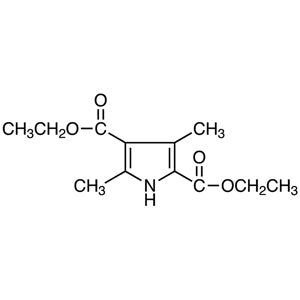
Diethyl3,5-Dimethyl-2,4-pyrroledicarboxylate TCI D4012
Regular price From Rp 2.439.150,00Regular priceRp 1.720.950,00Sale price From Rp 2.439.150,00 -
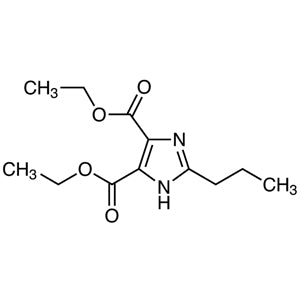
Diethyl2-Propyl-1H-imidazole-4,5-dicarboxylate TCI D3765
Regular price From Rp 1.087.800,00Regular priceRp 775.950,00Sale price From Rp 1.087.800,00