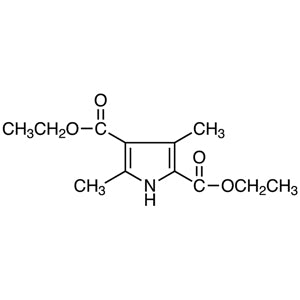
Diethyl 3,5-Dimethyl-2,4-pyrroledicarboxylate is a chemical compound widely used as a building block in the synthesis of heterocyclic compounds. This material plays a crucial role in organic chemistry laboratories, where it serves as a versatile reagent for creating complex molecular structures. Its unique chemical structure enables it to participate in a variety of reactions, making it an essential component in the development of new compounds with specific functional properties. Due to its reactivity and compatibility with various synthetic pathways, it is highly valued by researchers working on advanced chemical synthesis.
The compound is known for its stability under controlled laboratory conditions, which allows for consistent performance in chemical reactions. Its ability to undergo substitution and coupling reactions makes it a preferred choice for chemists aiming to design novel molecules with pharmaceutical or industrial applications. The compound’s reactivity is finely tuned, enabling it to act as both a substrate and a reagent in different synthetic strategies. This versatility enhances its utility in both academic and industrial research settings.
In Indonesian laboratories, Diethyl 3,5-Dimethyl-2,4-pyrroledicarboxylate is commonly used by chemists and pharmacologists to develop new compounds with potential medical or industrial applications. Its availability in the local market supports research efforts in heterocyclic synthesis, making it a key reagent for experimental work. The compound’s role in creating complex molecular structures is vital for advancing chemical research in the region.
Related TCI products
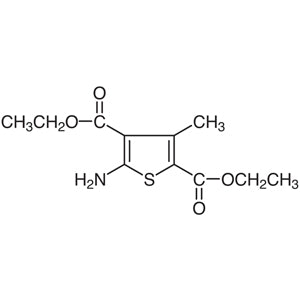
- TCI A1354 4815-30-9 Diethyl 5-Amino-3-methyl-2,4-thiophenedicarboxylate
- TCI G0415 1222-05-5 1,3,4,6,7,8-Hexahydro-4,6,6,7,8,8-hexamethylcyclopenta[g]-2-benzopyran (ca 50% in Diethyl Phthalate)
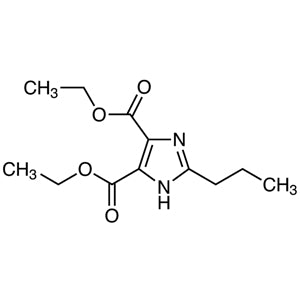
- TCI D3765 144689-94-1 Diethyl 2-Propyl-1H-imidazole-4,5-dicarboxylate
- TCI D3507 37687-24-4 Diethyl Pyrazole-3,5-dicarboxylate
- TCI D2217 16200-50-3 3,4-Diethyl-2-ethoxycarbonyl-5-methylpyrrole
- TCI D1714 18138-04-0 2,3-Diethyl-5-methylpyrazine
- Heterocyclic Compound Synthesis: This compound is ideal for synthesizing complex heterocyclic structures due to its reactivity and compatibility with various synthetic methods.
- Pharmaceutical Research: It is used in drug development to create molecules with specific pharmacological properties and therapeutic potential.
- Organic Chemistry Experiments: Its role as a building block makes it suitable for a wide range of organic reactions, including substitution and coupling.
- Industrial Chemical Development: It supports the creation of industrial chemicals with tailored functional properties and applications.
- Academic Research: It is a valuable tool for teaching and research in chemical synthesis, offering students and researchers hands-on experience with advanced organic reactions.
| Brand | TCI |
|---|---|
| CAS number | 2436-79-5 |
| Molecular formula | — |
| Purity | — |
| Category | Chemistry > Building Blocks > Heterocyclic Building Blocks |
| Pack sizes | Available in various quantities as per supplier specifications |
| Physical form | Solid or liquid, depending on the specific formulation |
| Storage | Store in a cool, dry place away from direct sunlight and moisture |
This compound should be stored in a cool, dry environment to maintain its chemical stability and prevent degradation. It is recommended to use airtight containers to protect it from moisture and contaminants. Due to its reactivity, it should be handled with care, using appropriate personal protective equipment such as gloves and safety goggles. Storage should be in a well-ventilated area to minimize exposure to vapors. Avoid contact with incompatible substances to ensure safe handling. Proper labeling and storage conditions are essential to maintain the integrity of the compound during laboratory use.
—
Produk Terkait
-
Diethyl5-Amino-3-methyl-2,4-thiophenedicarboxylate TCI A1354
Regular price From Rp 1.008.000,00Regular price -
1,3,4,6,7,8-Hexahydro-4,6,6,7,8,8-hexamethylcyclopenta[g]-2-benzopyran(ca50%inDiethylPhthalate) TCI G0415
Regular price From Rp 689.850,00Regular price -
Diethyl2-Propyl-1H-imidazole-4,5-dicarboxylate TCI D3765
Regular price From Rp 1.035.300,00Regular price -
DiethylPyrazole-3,5-dicarboxylate TCI D3507
Regular price From Rp 795.900,00Regular price -
3,4-Diethyl-2-ethoxycarbonyl-5-methylpyrrole TCI D2217
Regular price From Rp 3.127.950,00Regular price -
2,3-Diethyl-5-methylpyrazine TCI D1714
Regular price From Rp 1.696.800,00Regular price -
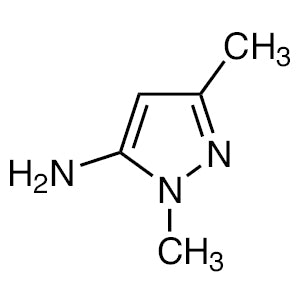
1,3-Dimethyl-1H-pyrazol-5-amine TCI A3464
Regular price From Rp 1.298.850,00Regular price -
2,5-Dimethyl-1-phenylpyrrole TCI P1615
Regular price Rp 3.735.900,00Regular priceRp 2.628.150,00Sale price Rp 3.735.900,00
![1,3,4,6,7,8-Hexahydro-4,6,6,7,8,8-hexamethylcyclopenta[g]-2-benzopyran (ca. 50% in Diethyl Phthalate) (CAS 1222-05-5) - TCI G0415 - AMI Scientific](http://amiscientific.com/cdn/shop/files/TCI2510G0415.jpg?v=1767115181&width=533)