2,5-Dimethyl-1-phenylpyrrole is a chemical compound widely used in organic synthesis reactions within laboratory settings. It serves as a crucial building block for the development of more complex molecules, including aromatic derivatives and bioactive compounds. This heterocyclic compound features a pyrrole ring with methyl groups at positions 2 and 5 and a phenyl group at position 1, making it highly versatile in synthetic pathways. Its structural complexity allows it to participate in various chemical transformations, making it an essential tool for researchers in both academic and industrial environments.
The compound is valued for its chemical stability and reactivity, enabling it to engage in key reactions such as Diels-Alder, substitution, and condensation. These properties make it a preferred choice for chemists seeking to modify molecular structures efficiently. Its ability to undergo multiple reaction types enhances its utility in the synthesis of pharmaceuticals, materials, and other advanced chemical products. The reactivity of 2,5-Dimethyl-1-phenylpyrrole also supports the development of novel compounds with specific functional properties.
In Indonesian laboratories, this compound is extensively used in scientific research and product development. It is a common reagent in studies related to medicinal chemistry, material science, and organic synthesis. Many research institutions and universities in Indonesia incorporate this compound into their experimental protocols to explore new chemical applications and improve existing synthetic methods. Its reliability and effectiveness make it a staple in the chemical laboratories of Indonesia.
Related TCI products
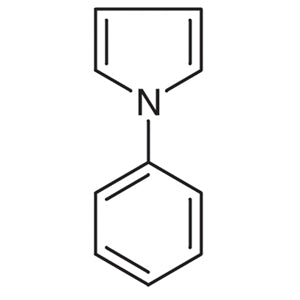
- TCI P1122 635-90-5 1-Phenylpyrrole
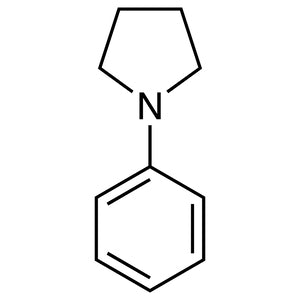
- TCI P3002 4096-21-3 1-Phenylpyrrolidine
- TCI P2907 1006-64-0 2-Phenylpyrrolidine
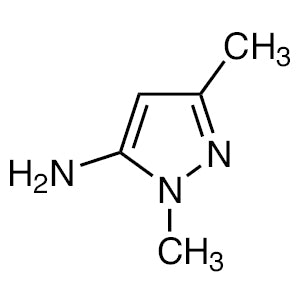
- TCI A3464 3524-32-1 1,3-Dimethyl-1H-pyrazol-5-amine
- TCI M3246 125116-23-6 5-(4-Chlorobenzyl)-2,2-dimethyl-1-[(1H-1,2,4-triazol-1-yl)methyl]cyclopentanol
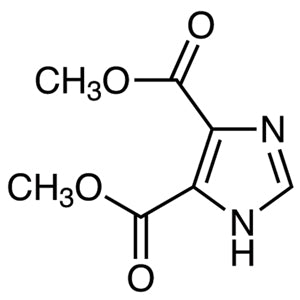
- TCI I0456 3304-70-9 Dimethyl 1H-Imidazole-4,5-dicarboxylate
- Organic synthesis is a primary application where 2,5-Dimethyl-1-phenylpyrrole is used to construct complex molecules with specific functional groups.
- Pharmaceutical research benefits from this compound due to its ability to participate in reactions that yield bioactive compounds with therapeutic potential.
- Material science applications leverage its structural versatility to develop new polymers and organic materials with enhanced properties.
- Analytical chemistry uses this compound as a standard for identifying and quantifying heterocyclic structures in complex mixtures.
- Environmental studies may employ it to investigate the behavior of aromatic compounds in various chemical environments.
| Brand | TCI |
|---|---|
| CAS number | 83-24-9 |
| Molecular formula | — |
| Purity | — |
| Category | Chemistry > Building Blocks > Heterocyclic Building Blocks |
| Pack sizes | Available in various quantities as per supplier specifications |
| Physical form | Liquid or solid, depending on the specific product formulation |
| Storage | Store in a cool, dry place away from direct sunlight and incompatible substances |
This compound should be stored in a cool, dry environment to maintain its chemical stability. It is recommended to use airtight containers to prevent exposure to moisture and air, which could affect its reactivity. Proper labeling of storage containers is essential for safety and traceability. In laboratory settings, it should be handled with appropriate personal protective equipment, including gloves and safety goggles, to minimize direct contact. Due to its reactivity, it should be kept away from strong oxidizing agents and incompatible chemicals. Regular inspection of storage conditions ensures the compound remains suitable for use in research and synthesis applications.
—
Produk Terkait
-
1-Phenylpyrrole TCI P1122
Regular price Rp 1.696.800,00Regular priceRp 1.202.250,00Sale price Rp 1.696.800,00 -
1-Phenylpyrrolidine TCI P3002
Regular price Rp 4.133.850,00Regular priceRp 2.906.400,00Sale price Rp 4.133.850,00 -
2-Phenylpyrrolidine TCI P2907
Regular price Rp 2.147.250,00Regular priceRp 1.517.250,00Sale price Rp 2.147.250,00 -
1,3-Dimethyl-1H-pyrazol-5-amine TCI A3464
Regular price Rp 1.351.350,00Regular priceRp 960.750,00Sale price Rp 1.351.350,00 -
5-(4-Chlorobenzyl)-2,2-dimethyl-1-[(1H-1,2,4-triazol-1-yl)methyl]cyclopentanol TCI M3246
Regular price Rp 530.250,00Regular priceRp 386.400,00Sale price Rp 530.250,00 -
Dimethyl1H-Imidazole-4,5-dicarboxylate TCI I0456
Regular price Rp 1.483.650,00Regular priceRp 1.053.150,00Sale price Rp 1.483.650,00 -
5-Formyl-2,4-dimethyl-3-pyrrolecarboxylicAcid TCI F0939
Regular price Rp 1.510.950,00Regular priceRp 1.072.050,00Sale price Rp 1.510.950,00 -
Ethyl5-Formyl-2,4-dimethyl-3-pyrrolecarboxylate TCI E1051
Regular price Rp 1.458.450,00Regular priceRp 1.035.300,00Sale price Rp 1.458.450,00

![125116-23-6 5-(4-Chlorobenzyl)-2,2-dimethyl-1-[(1H-1,2,4-triazol-1-yl)methyl]cyclopentanol - AMI Scientific](http://amiscientific.com/cdn/shop/files/TCI2510M3246.jpg?v=1767127965&width=533)