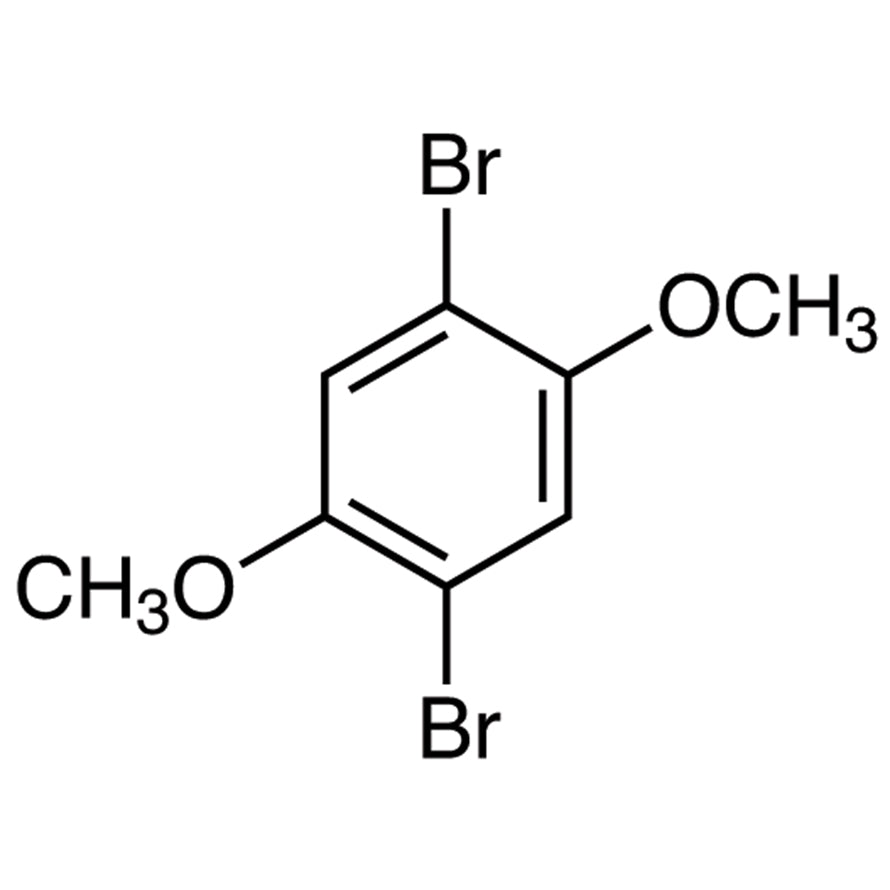
TCI D3966 1,4-Dibromo-2,5-dimethoxybenzene is a halogenated aromatic compound that serves as a non-heterocyclic building block in organic synthesis laboratories. The benzene ring of this compound carries two bromine atoms at positions 1 and 4, together with two methoxy groups at positions 2 and 5, producing a symmetrical framework that is highly useful for constructing larger molecules. At the researcher's bench, this material is commonly used as a starting point for cross-coupling reactions, assembling aromatic units into conjugated chains, ligands, and other functional molecular frameworks that require directed substitution.
The characteristic that makes this compound a frequent choice is the combination of reactive bromide leaving groups with electron-donating methoxy groups. The two bromine atoms provide two equivalent reaction sites, allowing researchers to carry out symmetrical double functionalisation, for example through Suzuki, Sonogashira, Stille, or Grignard reactions. The methoxy groups, meanwhile, modulate the electron density of the ring, influence the solubility of the final product, and can simultaneously act as positional directing groups in subsequent synthetic steps.
In Indonesian laboratories, this building block is typically found in university organic synthesis groups, materials chemistry research units, and industrial R&D laboratories developing conjugated aromatic systems. It is generally used at bench scale for multi-step route development, where a symmetrical and predictable starting scaffold shortens the path to the target molecule. Researchers usually handle it alongside standard cross-coupling infrastructure such as inert-atmosphere lines, reflux setups, and chromatographic purification equipment.
Related TCI products
- TCI D5019 37895-73-1 1,2-Dibromo-4,5-dimethoxybenzene
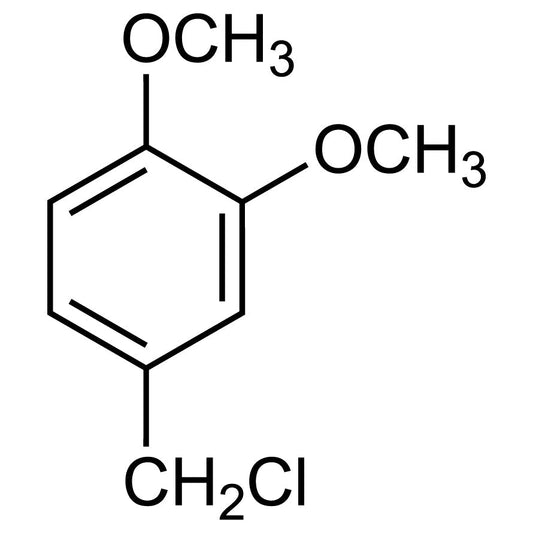
- TCI V0211 7306-46-9 4-(Chloromethyl)-1,2-dimethoxybenzene
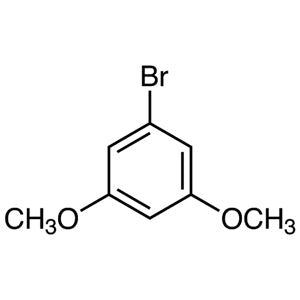
- TCI B3848 20469-65-2 1-Bromo-3,5-dimethoxybenzene
- TCI B3488 16932-45-9 2-Bromo-1,3-dimethoxybenzene
- TCI B2649 1379163-23-1 2,6-Bis(chloromethyl)-1,4-dimethoxybenzene
- TCI B2618 78840-04-7 2,6-Bis(hydroxymethyl)-1,4-dimethoxybenzene
- Suzuki cross-coupling synthesis: the two equivalent bromide positions allow symmetrical coupling with boronic acids to build extended biaryl and conjugated aromatic frameworks in a controlled manner.
- Sonogashira coupling for conjugated systems: both bromine sites react with terminal alkynes, letting researchers assemble rigid aryl-alkyne chains used in conjugated molecular architectures.
- Stille coupling routes: the reactive bromide leaving groups pair well with organotin reagents when milder or more functional-group-tolerant coupling conditions are required in a multi-step sequence.
- Grignard reagent preparation and subsequent addition: the carbon-bromine bonds provide accessible handles for organomagnesium formation, opening routes to further carbon-carbon bond construction.
- Ligand and functional scaffold construction: the symmetrical substitution pattern and electron-donating methoxy groups make this compound a convenient core for building ligands and directed-substitution molecular frameworks.
| Brand | TCI |
|---|---|
| CAS number | 2674-34-2 |
| Molecular formula | — |
| Purity | — |
| Category | Chemistry > Building Blocks > Non-Heterocyclic Building Blocks |
| Pack sizes | available in the standard research pack sizes offered by the manufacturer; please confirm the required packaging when ordering |
| Physical form | — |
| Storage | store according to the manufacturer's instructions stated on the product label and safety data sheet |
- Product code: D3966
- Chemical name: 1,4-Dibromo-2,5-dimethoxybenzene
Store this material in its original tightly closed container, in a cool, dry, and well-ventilated area away from direct sunlight, heat sources, and incompatible reagents. Amber glass or the manufacturer's supplied packaging is suitable for keeping the compound protected from light and moisture. Handle the solid inside a fume hood, and use standard personal protective equipment including a laboratory coat, chemical-resistant gloves, and safety glasses. Avoid generating dust during weighing and transfer, keep containers sealed when not in use, and always consult the manufacturer's safety data sheet before use and disposal.
—
Produk Terkait
-
1,2-Dibromo-4,5-dimethoxybenzene TCI D5019
Regular price From Rp 1.431.150,00Regular price -
4-(Chloromethyl)-1,2-dimethoxybenzene TCI V0211
Regular price Rp 2.359.350,00Regular price -
1-Bromo-3,5-dimethoxybenzene TCI B3848
Regular price From Rp 795.900,00Regular price -
2-Bromo-1,3-dimethoxybenzene TCI B3488
Regular price From Rp 823.200,00Regular price -
2,6-Bis(chloromethyl)-1,4-dimethoxybenzene TCI B2649
Regular price Rp 3.075.450,00Regular price -
2,6-Bis(hydroxymethyl)-1,4-dimethoxybenzene TCI B2618
Regular price Rp 2.837.100,00Regular price -
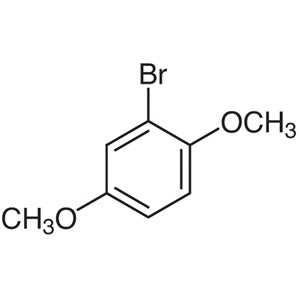
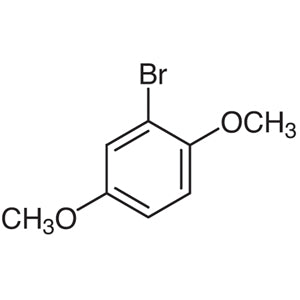
1-Bromo-2,5-dimethoxybenzene TCI B1979
Regular price From Rp 2.439.150,00Regular price -
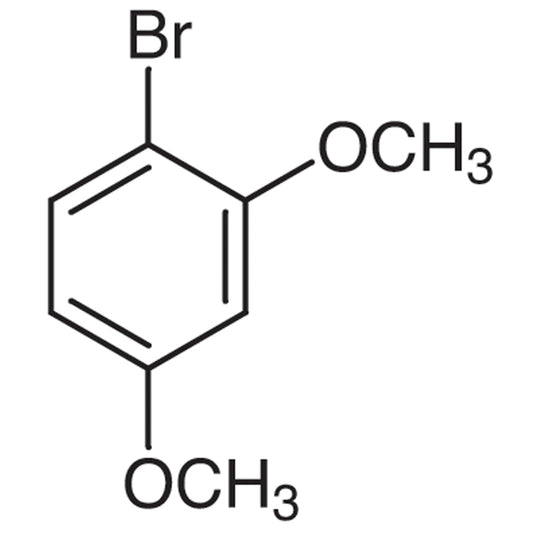
1-Bromo-2,4-dimethoxybenzene TCI B1481
Regular price Rp 717.150,00Regular price