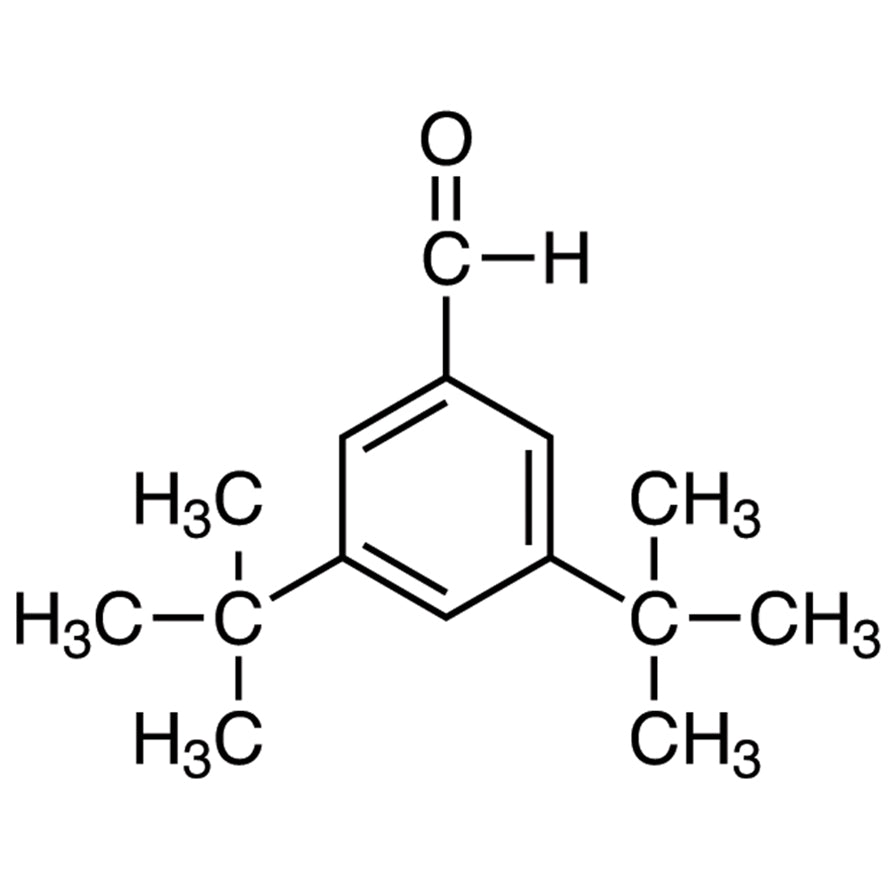
TCI D4130 3,5-Di-tert-butylbenzaldehyde (CAS 17610-00-3) is a benzaldehyde derivative carrying two bulky tert-butyl groups at the meta positions relative to the aldehyde function. It belongs to the non-heterocyclic building block category, meaning it serves as a starting material used to construct larger molecular frameworks. The aldehyde group in its structure is a highly versatile reaction centre: it can undergo condensation, reductive amination, Wittig reactions, oxidation to the corresponding carboxylic acid, or reduction to the alcohol, which makes this material a frequent entry point into many organic synthesis routes.
The distinctive value of this compound lies in its two tert-butyl groups, which impart substantial steric hindrance while simultaneously improving solubility in non-polar organic solvents. Researchers often exploit this steric bulk to protect a reactive centre, to direct reaction selectivity, or to prevent aggregation in large molecules such as ligands, macrocycles, and functional materials. In coordination chemistry, the 3,5-di-tert-butylphenyl framework is widely recognised as part of bulky ligand systems that stabilise metal centres by blocking bimolecular decomposition pathways, giving synthetic chemists a reliable way to control the environment around a reactive site.
In Indonesian laboratories, this material is typically used in university research groups, institutional chemistry laboratories, and industrial R&D units engaged in organic synthesis and materials development. It suits work in which a substituted benzaldehyde scaffold is required as a starting point for multi-step preparations, ligand design, or the assembly of larger functional structures. Because it is supplied as a catalogue building block, it fits routine bench-scale synthesis programmes as well as method development work carried out under standard laboratory conditions.
- Ligand synthesis in coordination chemistry: the 3,5-di-tert-butylphenyl framework provides the steric bulk that stabilises metal centres by blocking bimolecular decomposition pathways during complex formation.
- Condensation reactions such as imine and Schiff base formation: the reactive aldehyde group readily couples with amine partners, giving direct access to nitrogen-containing scaffolds for further elaboration.
- Reductive amination routes: the aldehyde function serves as a dependable entry point for building substituted amines, while the tert-butyl groups help control selectivity around the reaction centre.
- Wittig olefination chemistry: the aldehyde carbon reacts with phosphorus ylides to install carbon–carbon double bonds, making this compound a practical precursor for extended conjugated frameworks.
- Macrocycle and functional material assembly: the bulky substituents suppress unwanted aggregation in large molecules, an important requirement when preparing well-defined supramolecular or materials-oriented targets.
| Brand | TCI (Tokyo Chemical Industry), catalogue number D4130 |
|---|---|
| CAS number | 17610-00-3 |
| Molecular formula | — |
| Purity | — |
| Category | Chemistry > Building Blocks > Non-Heterocyclic Building Blocks |
| Pack sizes | available in standard TCI catalogue pack sizes; please confirm the required size when ordering |
| Physical form | — |
| Storage | keep in the original tightly closed container under the conditions stated on the manufacturer's label |
- Chemical name: 3,5-Di-tert-butylbenzaldehyde
Store the material in its original tightly closed container in a cool, dry, well-ventilated area, away from direct sunlight, heat sources, and incompatible substances such as strong oxidising agents. Aldehydes are generally sensitive to air and moisture, so the container should be closed promptly after each use and, where the manufacturer's label specifies it, kept under an inert atmosphere. Handle the compound in a fume hood using appropriate personal protective equipment, including safety glasses, chemical-resistant gloves, and a laboratory coat. Avoid inhalation of vapours and direct skin or eye contact. Refer to the manufacturer's Safety Data Sheet for complete handling, first-aid, and disposal guidance, and dispose of residues in accordance with applicable laboratory waste regulations.
—
Produk Terkait
-
4-tert-Butylbenzaldehyde TCI B1760
Regular price From Rp 1.936.200,00Regular price -
4-Butylbenzaldehyde TCI B1014
Regular price From Rp 3.551.100,00Regular price -
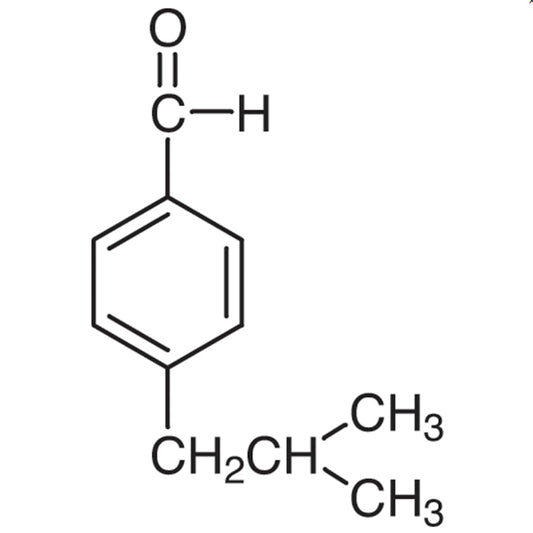
4-Isobutylbenzaldehyde TCI I0436
Regular price From Rp 928.200,00Regular price -
2,4,5-Trimethylbenzaldehyde TCI T1411
Regular price Rp 1.961.400,00Regular price -
2,4,6-Trimethylbenzaldehyde TCI T1368
Regular price Rp 2.147.250,00Regular price -
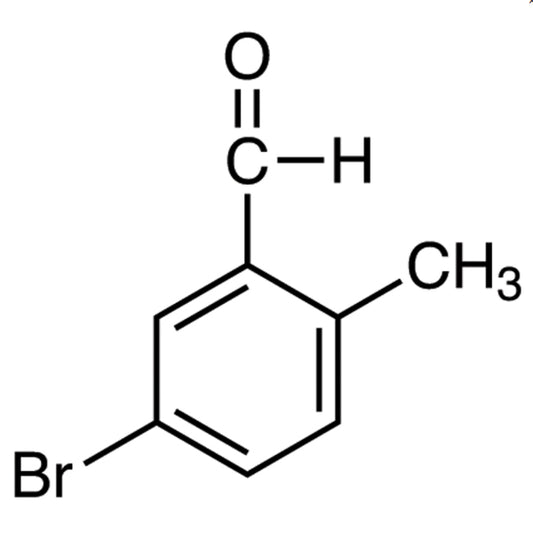
5-Bromo-2-methylbenzaldehyde TCI B5036
Regular price From Rp 2.677.500,00Regular price -
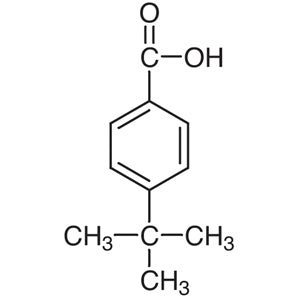
4-tert-ButylbenzoicAcid TCI B0717
Regular price From Rp 477.750,00Regular price -
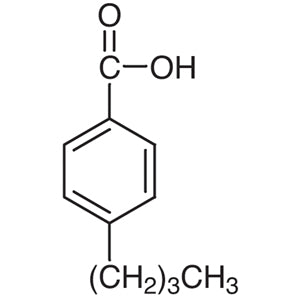
4-ButylbenzoicAcid TCI B0241
Regular price From Rp 477.750,00Regular price