4-Tert-Butylbenzaldehyde is a chemical compound widely used in organic synthesis reactions within laboratory settings. It is a versatile building block that plays a key role in the development of complex molecules, particularly in the fields of pharmaceutical and industrial chemistry. Its molecular structure consists of an aldehyde group attached to a benzene ring, with a tert-butyl group at the 4-position. This unique structure makes it an essential component in various synthetic pathways, enabling chemists to create a wide range of functional derivatives.
The compound is valued for its chemical stability and reactivity, which are crucial for successful synthetic outcomes. Its high boiling and melting points facilitate controlled heating and cooling processes in laboratory experiments. Additionally, its clear molecular structure allows for easy identification through analytical techniques such as infrared (IR) and nuclear magnetic resonance (NMR) spectroscopy. These properties make it a reliable and efficient reagent for both research and industrial applications.
In Indonesian laboratories, 4-Tert-Butylbenzaldehyde is commonly used in organic chemistry research, especially in academic institutions and research centers. It is a fundamental reagent in the synthesis of aromatic compounds, pharmaceutical intermediates, and fragrance materials. Its availability and reliability make it a preferred choice for chemists working on complex molecular structures and functional group transformations.
- Organic synthesis reactions benefit from 4-Tert-Butylbenzaldehyde due to its reactivity and structural versatility, enabling the formation of complex aromatic derivatives.
- Pharmaceutical research utilizes this compound as a building block for the synthesis of drug molecules, contributing to the development of therapeutic agents.
- Industrial chemical production relies on this reagent for the creation of specialty chemicals and fragrance compounds, supporting diverse manufacturing needs.
- Spectroscopic analysis is enhanced by the compound’s clear molecular structure, making it ideal for IR and NMR studies in analytical chemistry.
- Educational institutions use it as a teaching tool to demonstrate organic reaction mechanisms and synthetic strategies in undergraduate and graduate courses.
| Brand | TCI |
|---|---|
| CAS number | 939-97-9 |
| Molecular formula | — |
| Purity | — |
| Category | Chemistry > Building Blocks > Non-Heterocyclic Building Blocks |
| Pack sizes | Available in various quantities as per standard laboratory supply formats |
| Physical form | Liquid |
| Storage | Store in a cool, dry place away from direct sunlight and incompatible materials |
4-Tert-Butylbenzaldehyde should be stored in a cool, dry environment, away from direct sunlight and sources of heat. It is recommended to use airtight containers made of glass or high-density polyethylene to prevent contamination and evaporation. Due to its chemical nature, it should be kept separate from strong oxidizing agents and reactive substances. In laboratory settings, proper ventilation is essential to minimize exposure. Always handle with care, using appropriate personal protective equipment such as gloves and safety goggles. Regular monitoring of storage conditions ensures the compound remains stable and suitable for use in chemical experiments.
—
Produk Terkait
-
4-Butylbenzaldehyde TCI B1014
Regular price From Rp 3.551.100,00Regular priceRp 2.483.250,00Sale price From Rp 3.551.100,00 -
3,5-Di-tert-butylbenzaldehyde TCI D4130
Regular price From Rp 1.590.750,00Regular priceRp 1.111.950,00Sale price From Rp 1.590.750,00 -
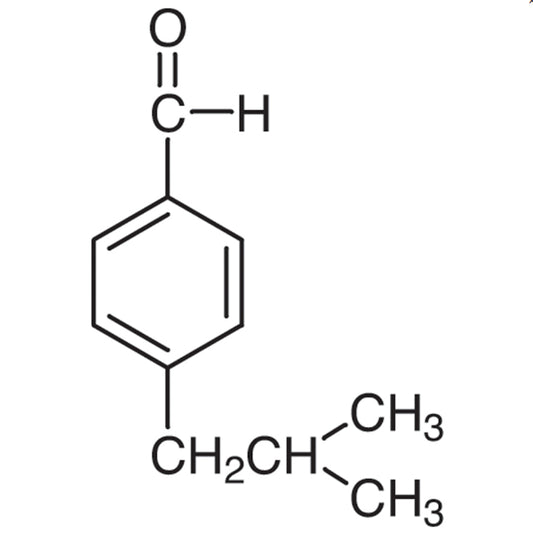
4-Isobutylbenzaldehyde TCI I0436
Regular price From Rp 928.200,00Regular priceRp 648.900,00Sale price From Rp 928.200,00 -
2,4,5-Trimethylbenzaldehyde TCI T1411
Regular price Rp 1.961.400,00Regular priceRp 1.371.300,00Sale price Rp 1.961.400,00 -
2,4,6-Trimethylbenzaldehyde TCI T1368
Regular price Rp 2.147.250,00Regular priceRp 1.501.500,00Sale price Rp 2.147.250,00 -
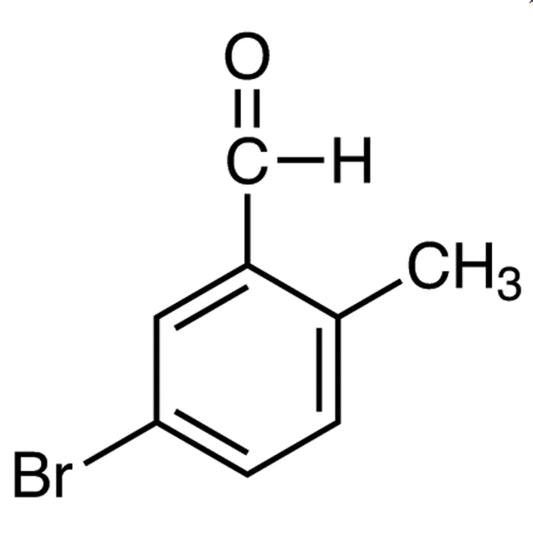
5-Bromo-2-methylbenzaldehyde TCI B5036
Regular price From Rp 2.677.500,00Regular priceRp 1.872.150,00Sale price From Rp 2.677.500,00 -
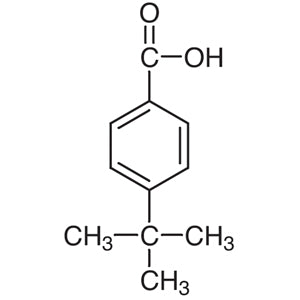
4-tert-ButylbenzoicAcid TCI B0717
Regular price From Rp 530.250,00Regular priceRp 386.400,00Sale price From Rp 530.250,00 -
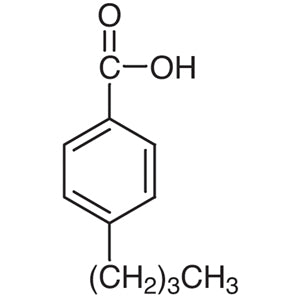
4-ButylbenzoicAcid TCI B0241
Regular price From Rp 530.250,00Regular priceRp 386.400,00Sale price From Rp 530.250,00