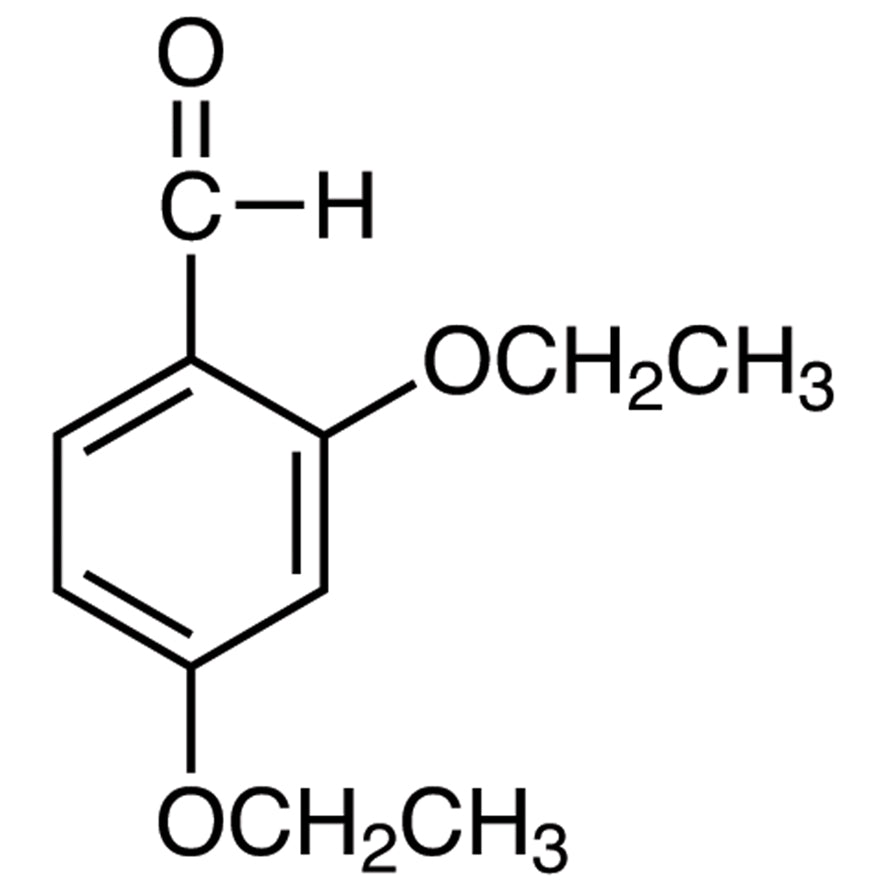
TCI D4847 2,4-Diethoxybenzaldehyde is an aromatic aldehyde whose benzene ring carries two ethoxy groups at the 2- and 4-positions. The compound belongs to the family of electron-rich benzaldehydes that are widely used as intermediates in organic synthesis, particularly when researchers require an aromatic fragment with strong electron-donating character. Its aldehyde group provides a highly versatile reaction centre, while the double ether substitution pattern gives the molecule electronic and solubility characteristics that differ from those of its more commonly encountered methoxy analogues.
The value of this compound lies in the influence that both ethoxy groups exert on its chemical behaviour. Alkoxy groups in the ortho and para positions push electron density into the ring, so the ring becomes more reactive towards electrophilic substitution and the resulting condensation products tend to possess conjugated systems whose light absorption is shifted to longer wavelengths. The ethyl chains, being slightly longer than methyl, also increase the lipophilic character of the molecule — a consideration that often matters in the design of active compounds and of dye materials. The aldehyde group itself is ready to undergo Knoevenagel condensation and related transformations.
In Indonesian laboratories, this building block is typically used in university and institutional research groups working on organic synthesis, in medicinal chemistry programmes that need electron-rich aromatic fragments, and in materials or dye chemistry projects where extended conjugation is the target. It is normally ordered in research-scale quantities for method development, route scouting, and the preparation of intermediates that are carried forward into further synthetic steps rather than consumed in routine analysis.
- Knoevenagel condensation — the reactive aldehyde group couples readily with active methylene compounds, and the electron-rich ring gives products with extended conjugation suited to functional-material work.
- Building-block synthesis of non-heterocyclic aromatic intermediates — supplies a defined 2,4-disubstituted benzaldehyde core that can be elaborated further without needing to install the ether groups in-house.
- Medicinal chemistry route scouting — provides a strongly electron-donating aromatic fragment with higher lipophilicity than its methoxy analogue, useful when adjusting the physicochemical profile of candidate compounds.
- Dye and chromophore preparation — condensation products from this aldehyde carry conjugated systems whose absorption is shifted towards longer wavelengths, which is the behaviour sought in colourant development.
- Electrophilic aromatic substitution studies — the ortho- and para-ethoxy substituents raise ring electron density, making this compound a suitable substrate for examining activated-ring reactivity and regiochemistry.
| Brand | TCI (Tokyo Chemical Industry) |
|---|---|
| CAS number | 22924-16-9 |
| Molecular formula | — |
| Purity | — |
| Category | Chemistry > Building Blocks > Non-Heterocyclic Building Blocks |
| Pack sizes | available in standard TCI research-scale packaging; please confirm the currently listed size options when ordering |
| Physical form | — |
| Storage | keep in a cool, dry place in the tightly closed original container, following the manufacturer's label instructions |
- Product code: D4847
Store the container tightly closed in a cool, dry, well-ventilated area away from direct sunlight, heat sources, and strong oxidising agents, and always follow the storage instructions printed on the manufacturer's label and safety data sheet. Aromatic aldehydes are generally sensitive to prolonged exposure to air and light, so the original amber or sealed supplier container is the most suitable primary packaging; if the material is transferred, use clean, dry, chemically compatible glassware with a secure closure. Handle the compound inside a fume hood while wearing safety glasses, nitrile gloves, and a laboratory coat, avoid inhalation of dust or vapour and contact with skin and eyes, and keep the container closed when not in active use. Dispose of residues and contaminated materials as chemical waste according to institutional and local regulations.
—
Produk Terkait
-
3,4-Diethoxybenzaldehyde TCI D0451
Regular price Rp 1.193.850,00Regular price -
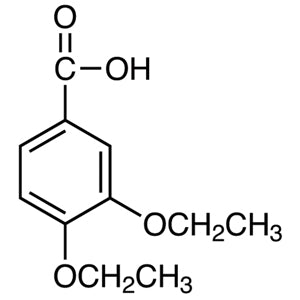
3,4-DiethoxybenzoicAcid TCI D4080
Regular price Rp 1.829.100,00Regular price -
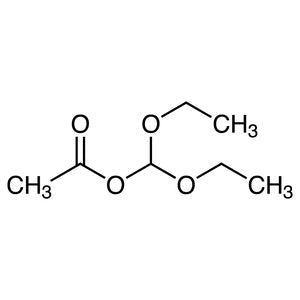
DiethoxymethylAcetate TCI A1608
Regular price From Rp 1.565.550,00Regular price -
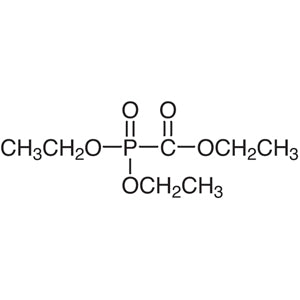
EthylDiethoxyphosphinylformate TCI E0400
Regular price Rp 1.485.750,00Regular price -
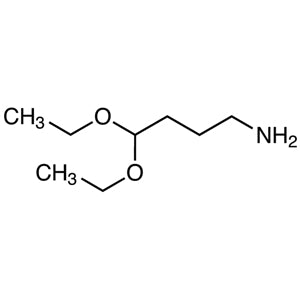
4,4-Diethoxybutylamine TCI D3968
Regular price From Rp 1.803.900,00Regular price -
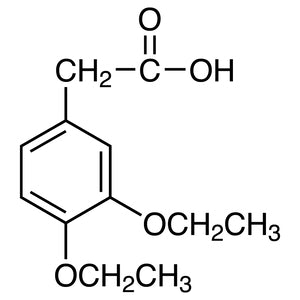
3,4-DiethoxyphenylaceticAcid TCI D3419
Regular price Rp 1.167.600,00Regular price -
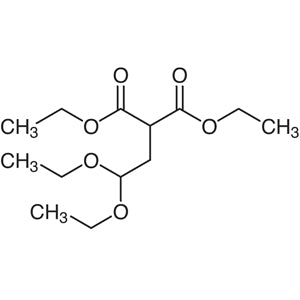
Diethyl3,3-Diethoxypropane-1,1-dicarboxylate TCI D2438
Regular price From Rp 1.803.900,00Regular price -
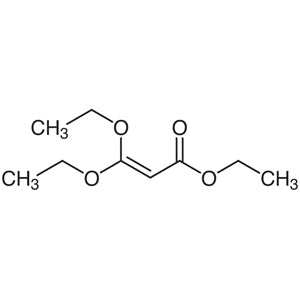
Ethyl3,3-Diethoxyacrylate TCI D2006
Regular price Rp 5.009.550,00Regular price