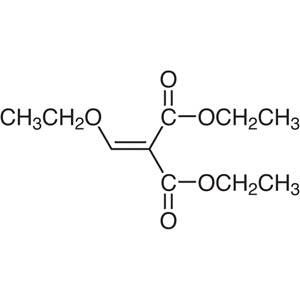
Diethoxymethyl Acetate is a chemical compound widely used as a building block in organic synthesis. It serves as a versatile reagent in laboratory settings, enabling the creation of complex organic molecules through various chemical reactions. Its molecular structure allows for multiple functional group transformations, making it a valuable tool for chemists working on synthetic pathways. This compound is commonly utilized in both academic and industrial research environments where the development of new materials and pharmaceuticals is required.
One of the key reasons for its popularity is its chemical stability under controlled conditions, combined with its reactivity towards specific environmental factors such as heat, light, and moisture. These properties make it suitable for use in reactions that require precise control over reaction conditions. Additionally, its volatility and tendency to evaporate necessitate careful handling, which is standard practice in laboratory settings. This balance of stability and reactivity ensures that it remains a preferred choice for many synthetic applications.
In Indonesian laboratories, Diethoxymethyl Acetate is frequently employed in organic chemistry research, particularly in the synthesis of complex compounds. Its availability and consistent quality make it a reliable material for researchers and laboratory professionals. The compound is essential in the development of new compounds with applications in pharmaceuticals, materials science, and chemical engineering. Its role in supporting scientific innovation is well recognized in the Indonesian scientific community.
Related TCI products
- TCI T2058 17464-88-9 1,3,4,6-Tetrakis(methoxymethyl)glycoluril
- TCI M3066 5779-98-6 4-Methoxy-3-(methoxymethoxy)benzaldehyde
- TCI M1448 13709-05-2 3-(Methoxymethoxy)benzaldehyde
- TCI E0341 94-05-3 Ethyl 2-(Ethoxymethylene)-2-cyanoacetate
- TCI E0255 87-13-8 Diethyl Ethoxymethylenemalonate
- TCI A0228 123-86-4 Butyl Acetate [for Spectrophotometry]
- Organic synthesis is a primary application where Diethoxymethyl Acetate is used to create complex organic molecules through various chemical reactions.
- Pharmaceutical research benefits from its ability to participate in functional group transformations, aiding in the development of new drug compounds.
- Material science applications rely on its reactivity to form compounds with specific structural properties for advanced materials.
- Chemical engineering processes utilize its versatility in synthetic pathways for industrial-scale production of specialty chemicals.
- Analytical chemistry uses it as a standard reagent for testing and characterizing other chemical compounds in laboratory experiments.
| Brand | TCI |
|---|---|
| CAS number | 14036-06-7 |
| Molecular formula | — |
| Purity | — |
| Category | Chemistry > Building Blocks > Non-Heterocyclic Building Blocks |
| Pack sizes | Available in various quantities as per supplier specifications |
| Physical form | Liquid |
| Storage | Should be stored in a cool, dark place away from heat and direct sunlight |
Diethoxymethyl Acetate should be stored in a cool, dark location, away from sources of heat and direct sunlight to maintain its chemical stability. It is recommended to use sealed containers to prevent evaporation due to its volatile nature. Proper ventilation is essential when handling the compound to minimize exposure to vapors. Laboratory personnel should wear appropriate personal protective equipment, including gloves and safety goggles, to ensure safe handling. The compound should be kept in a well-ventilated area and away from incompatible materials such as strong oxidizing agents. Regular monitoring of storage conditions is necessary to maintain the integrity and safety of the compound in the laboratory environment.
—
Produk Terkait
-
1,3,4,6-Tetrakis(methoxymethyl)glycoluril TCI T2058
Regular price From Rp 1.140.300,00Regular priceRp 812.700,00Sale price From Rp 1.140.300,00 -
4-Methoxy-3-(methoxymethoxy)benzaldehyde TCI M3066
Regular price Rp 3.976.350,00Regular priceRp 2.780.400,00Sale price Rp 3.976.350,00 -
3-(Methoxymethoxy)benzaldehyde TCI M1448
Regular price From Rp 2.518.950,00Regular priceRp 1.760.850,00Sale price From Rp 2.518.950,00 -
Ethyl2-(Ethoxymethylene)-2-cyanoacetate TCI E0341
Regular price From Rp 928.200,00Regular priceRp 664.650,00Sale price From Rp 928.200,00 -
DiethylEthoxymethylenemalonate TCI E0255
Regular price From Rp 530.250,00Regular priceRp 386.400,00Sale price From Rp 530.250,00 -
ButylAcetate[forSpectrophotometry] TCI A0228
Regular price Rp 1.538.250,00Regular priceRp 1.075.200,00Sale price Rp 1.538.250,00 -
VinylAcetateMonomer(stabilizedwithHQ) TCI A0045
Regular price Rp 477.750,00Regular priceRp 333.900,00Sale price Rp 477.750,00 -
PropylAcetate TCI A0044
Regular price From Rp 477.750,00Regular priceRp 333.900,00Sale price From Rp 477.750,00