
![Bis[4-(ethoxycarbonyl)phenyl]acetylene (CAS 83536-13-4) - TCI D5878 - AMI Scientific](http://amiscientific.com/cdn/shop/files/TCI2510D5878.jpg?v=1767109379&width=1946)
![Bis[4-(ethoxycarbonyl)phenyl]acetylene (CAS 83536-13-4) - TCI D5878 - AMI Scientific](http://amiscientific.com/cdn/shop/files/TCI2510D5878.jpg?v=1767109379&width=1445)
Bis[4-(ethoxycarbonyl)phenyl]acetylene is a chemical compound widely used in organic reactions, particularly in the synthesis of complex molecules. Its unique molecular structure consists of two phenyl rings connected by a triple carbon bond, making it a valuable building block in chemical synthesis. In the laboratory, this compound serves as a key reagent for constructing larger molecular frameworks, enabling researchers to develop new materials and pharmaceutical compounds. Its role is essential in advancing chemical research and innovation.
This compound is preferred due to its stable chemical properties and controlled reactivity. It exhibits specific chemical behavior, such as reactivity towards coupling and substitution reactions, which makes it highly versatile in synthetic processes. Its solid form and good stability under controlled laboratory conditions further enhance its usability. These characteristics ensure reliable performance in various experimental setups, making it a go-to choice for chemists working on complex molecular designs.
In Indonesian laboratories, Bis[4-(ethoxycarbonyl)phenyl]acetylene is commonly used in organic chemistry research, especially in pharmaceutical and material science fields. It is a fundamental component in experiments aimed at developing new drugs and advanced materials. Its reliability and effectiveness make it a staple in academic and industrial research settings across Indonesia.
Related TCI products
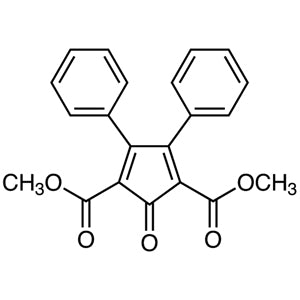
- TCI B1962 16691-79-5 2,5-Bis(methoxycarbonyl)-3,4-diphenylcyclopentadienone
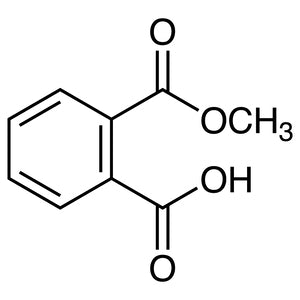
- TCI M3783 4376-18-5 2-(Methoxycarbonyl)benzoic Acid
- TCI M3703 141046-52-8 4-(Methoxycarbonyl)bicyclo[2.1.1]hexane-1-carboxylic Acid
- TCI M3701 110371-28-3 5-(Methoxycarbonyl)bicyclo[3.1.1]heptane-1-carboxylic Acid
- TCI M3466 24539-28-4 4-(Methoxycarbonyl)cubane-1-carboxylic Acid
- TCI M3149 83249-10-9 3-(Methoxycarbonyl)bicyclo[111]pentane-1-carboxylic Acid
- Organic synthesis applications benefit from its unique structure, allowing for the creation of complex molecular frameworks with high precision.
- Pharmaceutical research utilizes this compound to develop new drug molecules through targeted chemical modifications and structural innovations.
- Material science experiments rely on its reactivity to synthesize advanced polymers and functional materials with specific properties.
- Academic research in chemistry uses it as a standard reagent for teaching and experimental studies on molecular building blocks.
- Industrial chemical processes incorporate it for large-scale production of specialty chemicals and intermediates.
| Brand | TCI |
|---|---|
| CAS number | 83536-13-4 |
| Molecular formula | — |
| Purity | — |
| Category | Chemistry > Building Blocks > Non-Heterocyclic Building Blocks |
| Pack sizes | Available in standard laboratory quantities as per supplier specifications |
| Physical form | Solid |
| Storage | Store in a cool, dry place away from direct sunlight and moisture |
This compound should be stored in a cool, dry environment to maintain its chemical stability. It is recommended to use airtight containers to prevent exposure to moisture and air, which could affect its integrity. Due to its solid form, it is typically handled in a fume hood to ensure safe laboratory practices. Proper labeling and storage conditions are essential to avoid contamination and ensure safe handling. Laboratory personnel should always follow standard safety protocols when working with this compound to maintain a secure and efficient research environment.
—
Produk Terkait
-
2,5-Bis(methoxycarbonyl)-3,4-diphenylcyclopentadienone TCI B1962
Regular price From Rp 2.625.000,00Regular price -
2-(Methoxycarbonyl)benzoicAcid TCI M3783
Regular price From Rp 1.273.650,00Regular price -
4-(Methoxycarbonyl)bicyclo[2.1.1]hexane-1-carboxylicAcid TCI M3703
Regular price Rp 5.352.900,00Regular price -
5-(Methoxycarbonyl)bicyclo[3.1.1]heptane-1-carboxylicAcid TCI M3701
Regular price Rp 5.247.900,00Regular price -
4-(Methoxycarbonyl)cubane-1-carboxylicAcid TCI M3466
Regular price Rp 3.817.800,00Regular price -
3-(Methoxycarbonyl)bicyclo[111]pentane-1-carboxylicAcid TCI M3149
Regular price From Rp 955.500,00Regular price -
4-(Methoxycarbonyl)bicyclo[2.2.2]octan-1-carboxylicAcid TCI M2855
Regular price Rp 2.411.850,00Regular price -
N-Methoxycarbonylmaleimide TCI M2333
Regular price From Rp 1.988.700,00Regular price
![141046-52-8 4-(Methoxycarbonyl)bicyclo[2.1.1]hexane-1-carboxylic Acid - AMI Scientific](http://amiscientific.com/cdn/shop/files/TCI2510M3703.jpg?v=1767128696&width=533)
![110371-28-3 5-(Methoxycarbonyl)bicyclo[3.1.1]heptane-1-carboxylic Acid - AMI Scientific](http://amiscientific.com/cdn/shop/files/TCI2510M3701.jpg?v=1767128692&width=533)

![83249-10-9 3-(Methoxycarbonyl)bicyclo[1.1.1]pentane-1-carboxylic Acid - AMI Scientific](http://amiscientific.com/cdn/shop/files/TCI2510M3149.jpg?v=1767127805&width=533)
![18720-35-9 4-(Methoxycarbonyl)bicyclo[2.2.2]octan-1-carboxylic Acid - AMI Scientific](http://amiscientific.com/cdn/shop/files/TCI2510M2855.jpg?v=1767127347&width=533)
