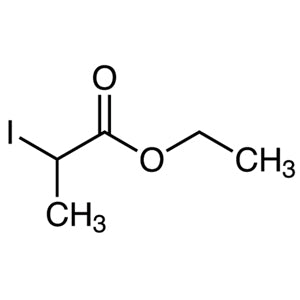
Ethyl 2-Iodopropionate is a chemical compound widely used in laboratory settings, particularly in organic synthesis reactions. It serves as a versatile reagent due to its functional groups, which include an iodide and an ester group. These groups contribute to its reactivity and make it suitable for various chemical transformations. In the laboratory, it is commonly employed in nucleophilic substitution reactions and polymerization processes, depending on the desired outcome of the experiment. Its ability to participate in multiple reaction types makes it a valuable tool for chemists working in both research and educational environments.
The compound's chemical properties make it a preferred choice for laboratory applications. Its iodide group provides electrophilic characteristics, enabling efficient substitution reactions under appropriate conditions. The ester functionality further enhances its reactivity, making it suitable for a range of synthetic pathways. Ethyl 2-Iodopropionate is stable under certain conditions but reacts vigorously with strong bases or organic solvents. These properties make it a reliable reagent for controlled chemical processes. Its versatility and reactivity are key factors in its widespread use across different laboratory disciplines.
In Indonesian laboratories, Ethyl 2-Iodopropionate is frequently used in organic chemistry research, especially in polymerization and the synthesis of complex compounds. It is also commonly utilized in higher education institutions for teaching purposes, where students gain hands-on experience with reactive organic compounds. The compound's role in both research and education underscores its importance in the chemical sciences within Indonesia.
TCI brochures (PDF)
- Biomaterials Research Reagents 2025-02-19 · p. 28
Related TCI products
- TCI T3371 150-77-6 N,N,N',N'-Tetraethylethylenediamine
- TCI T2898 33527-91-2 Tris[2-(dimethylamino)ethyl]amine
- TCI T1879 96556-05-7 1,4,7-Trimethyl-1,4,7-triazacyclononane (stabilized with NaHCO3)
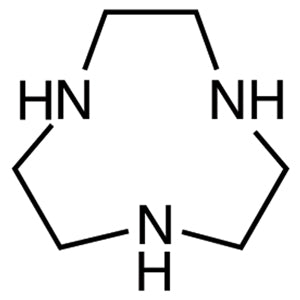
- TCI T1878 4730-54-5 1,4,7-Triazacyclononane
- TCI T1877 41203-22-9 1,4,8,11-Tetramethyl-1,4,8,11-tetraazacyclotetradecane
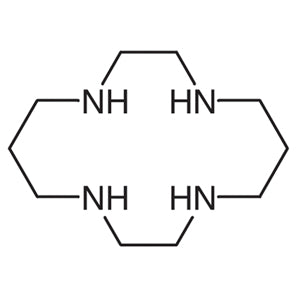
- TCI T1597 295-37-4 1,4,8,11-Tetraazacyclotetradecane
- Organic synthesis reactions where nucleophilic substitution and electrophilic reactivity are required.
- Polymerization processes that benefit from the reactivity of iodide and ester functional groups.
- Research in polymer science and macromolecular chemistry due to its compatibility with various reaction conditions.
- Educational experiments focused on understanding the behavior of reactive organic compounds.
- Development of new chemical compounds through controlled synthetic pathways involving iodinated esters.
| Brand | TCI |
|---|---|
| CAS number | 31253-08-4 |
| Molecular formula | — |
| Purity | — |
| Category | Materials Science > Polymer/Macromolecule Reagents > Polymerization Reagents |
| Pack sizes | Available in standard laboratory quantities as per supplier specifications |
| Physical form | Liquid |
| Storage | Store in a cool, dry place away from direct sunlight and incompatible materials |
Ethyl 2-Iodopropionate should be stored in a cool, dry environment to maintain its chemical stability. It is recommended to keep the compound in a tightly sealed container to prevent exposure to air and moisture. Due to its reactivity, it should be stored away from strong bases and organic solvents to avoid unwanted chemical interactions. Suitable containers for storage include glass or high-density polyethylene vessels that are resistant to chemical degradation. In laboratory settings, proper ventilation and personal protective equipment should be used when handling this compound to ensure safety. Regular monitoring of storage conditions is essential to maintain the integrity and effectiveness of the reagent.
—
Product Categories
- Polymer/Macromolecule ReagentsPolymerization ReagentsControlled Radical Polymerization Reagents
- Biomaterials/Biocompatible Materials Research ReagentsPolymerization Reagents (Initiators, Catalysts, Ligands) [Biomaterials/Biocompatible Materials Research Reagents]Atom Transfer Radical Polymerization (ATRP) Reagents
- Biomaterials/Biocompatible Materials Research ReagentsPolymerization Reagents (Initiators, Catalysts, Ligands) [Biomaterials/Biocompatible Materials Research Reagents]Organocatalyzed Living Radical Polymerization Reagents
Produk Terkait
-
N,N,N',N'-Tetraethylethylenediamine TCI T3371
Regular price From Rp 1.115.100,00Regular price -
Tris[2-(dimethylamino)ethyl]amine TCI T2898
Regular price From Rp 2.254.350,00Regular price -
1,4,7-Trimethyl-1,4,7-triazacyclononane(stabilizedwithNaHCO3) TCI T1879
Regular price From Rp 6.333.600,00Regular price -
1,4,7-Triazacyclononane TCI T1878
Regular price From Rp 3.498.600,00Regular price -
1,4,8,11-Tetramethyl-1,4,8,11-tetraazacyclotetradecane TCI T1877
Regular price From Rp 2.625.000,00Regular price -
1,4,8,11-Tetraazacyclotetradecane TCI T1597
Regular price From Rp 2.174.550,00Regular price -
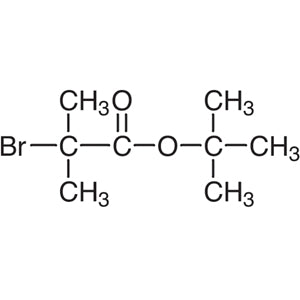
tert-Butyl2-Bromoisobutyrate TCI B3500
Regular price From Rp 584.850,00Regular price -
4,5-Bis(diphenylphosphino)-9,9-dimethylxanthene TCI B2709
Regular price From Rp 1.298.850,00Regular price

![33527-91-2 Tris[2-(dimethylamino)ethyl]amine - AMI Scientific](http://amiscientific.com/cdn/shop/files/TCI2510T2898.jpg?v=1767143487&width=533)