Tert-Butyl 2-Bromoisobutyrate is a chemical compound widely used as a building block in organic synthesis. It serves as a key intermediate in various chemical reactions, particularly those involving nucleophilic substitution. This compound is commonly employed in the preparation of esters and alkyl bromides, making it an essential tool for synthetic chemists. Its role in the laboratory is to provide a stable and reactive starting material for the creation of more complex organic molecules. Due to its predictable behavior in chemical reactions, it is highly valued in both academic and industrial research settings.
The compound's chemical stability and high reactivity make it a preferred choice for laboratory applications. Its well-defined molecular structure allows for precise identification and manipulation during synthesis processes. The compound's ability to participate in a variety of reaction mechanisms, including substitution and elimination, enhances its versatility. Additionally, its consistent performance across different experimental conditions ensures reliable results, which is crucial for high-precision chemical research. These properties make it a reliable and efficient reagent in organic chemistry laboratories.
In Indonesian laboratories, Tert-Butyl 2-Bromoisobutyrate is extensively used in organic chemistry research, particularly in higher education institutions and research centers. Its availability supports the development of new compounds and the refinement of existing synthesis methods. The compound is a staple in laboratories focused on synthetic chemistry, where its role in creating complex molecular structures is indispensable. Its use is widespread due to its effectiveness and reliability in various chemical processes.
TCI brochures (PDF)
- Biomaterials Research Reagents 2025-02-19 · p. 29
Related TCI products
- Organic Synthesis: This compound is ideal for creating complex organic molecules through nucleophilic substitution reactions, offering a stable and reactive starting point for synthetic pathways.
- Ester Preparation: It serves as a key intermediate in the synthesis of esters, providing a reliable source of functional groups for further chemical modifications.
- Alkyl Bromide Formation: Its bromide functionality makes it suitable for generating alkyl bromides, which are essential in a variety of synthetic transformations.
- Research and Development: It is frequently used in R&D settings to explore new chemical reactions and optimize synthetic methods for industrial applications.
- Academic Teaching: It is a valuable tool in educational laboratories, where it is used to demonstrate fundamental principles of organic chemistry and reaction mechanisms.
| Brand | TCI |
|---|---|
| CAS number | 23877-12-5 |
| Molecular formula | — |
| Purity | — |
| Category | Chemistry > Building Blocks > Non-Heterocyclic Building Blocks |
| Pack sizes | Available in various quantities as per standard laboratory supply |
| Physical form | Liquid |
| Storage | Store in a cool, dry place away from direct sunlight |
Tert-Butyl 2-Bromoisobutyrate should be stored in a cool, dry environment to maintain its chemical stability. It is recommended to keep the compound in a tightly sealed container to prevent exposure to moisture and air. Due to its potential reactivity, it should be handled in a well-ventilated area, preferably under a fume hood. The container should be made of materials compatible with organic solvents to avoid any chemical interactions. Regular inspection of storage conditions is advised to ensure the integrity of the compound. General laboratory safety practices, such as wearing appropriate personal protective equipment, should always be followed when handling this material.
—
Product Categories
- Polymer/Macromolecule ReagentsPolymerization ReagentsControlled Radical Polymerization Reagents
- Biomaterials/Biocompatible Materials Research ReagentsPolymerization Reagents (Initiators, Catalysts, Ligands) [Biomaterials/Biocompatible Materials Research Reagents]Atom Transfer Radical Polymerization (ATRP) Reagents
Produk Terkait
-
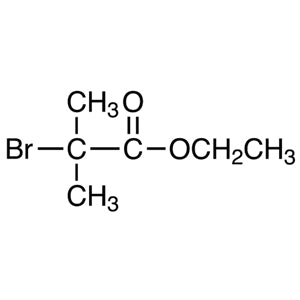
Ethyl2-Bromoisobutyrate TCI B0606
Regular price Rp 769.650,00Regular priceRp 553.350,00Sale price Rp 769.650,00 -
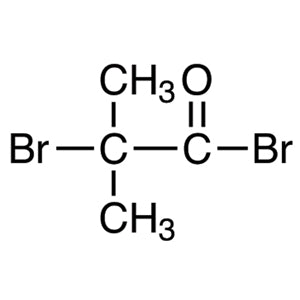
2-BromoisobutyrylBromide TCI B0607
Regular price From Rp 900.900,00Regular priceRp 645.750,00Sale price From Rp 900.900,00 -
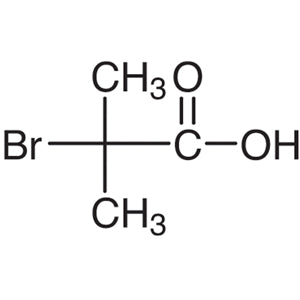
2-BromoisobutyricAcid TCI B0605
Regular price From Rp 875.700,00Regular priceRp 627.900,00Sale price From Rp 875.700,00 -
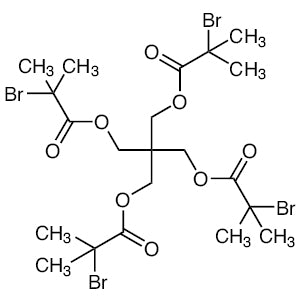
PentaerythritolTetrakis(2-bromoisobutyrate) TCI P2713
Regular price Rp 4.716.600,00Regular priceRp 3.313.800,00Sale price Rp 4.716.600,00 -
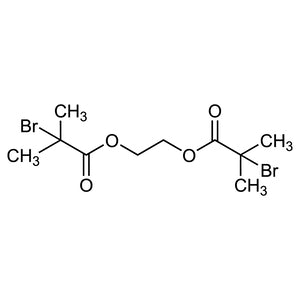
EthyleneBis(2-bromoisobutyrate) TCI B7067
Regular price From Rp 1.881.600,00Regular priceRp 1.331.400,00Sale price From Rp 1.881.600,00 -
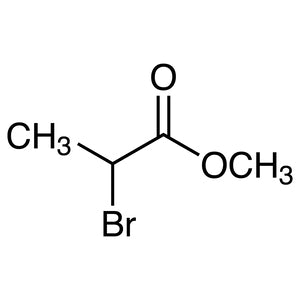
Methyl2-Bromopropionate TCI B1460
Regular price From Rp 822.150,00Regular priceRp 590.100,00Sale price From Rp 822.150,00 -
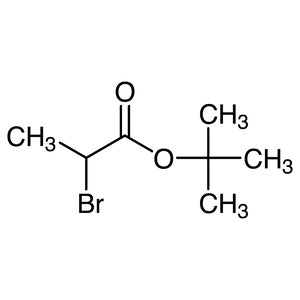
tert-Butyl2-Bromopropionate TCI B1277
Regular price From Rp 3.365.250,00Regular priceRp 2.368.800,00Sale price From Rp 3.365.250,00 -
DiethylBromomalonate TCI B1205
Regular price From Rp 1.060.500,00Regular priceRp 757.050,00Sale price From Rp 1.060.500,00