2-Bromoisobutyryl Bromide (TCI B0607) is a chemical compound widely used as a building block in organic synthesis. It serves as a versatile reagent in laboratory settings, enabling the creation of complex molecular structures through various chemical reactions. This compound is particularly valuable in the development of bioactive molecules, pharmaceuticals, and other specialized chemical products. Its unique chemical structure allows it to participate in substitution, addition, and bond-forming reactions, making it an essential tool for researchers in organic chemistry and related fields.
The compound is known for its high reactivity and good solubility in organic solvents, which enhances its effectiveness in chemical reactions. These properties make it a preferred choice for laboratory applications where efficiency and reliability are critical. Its stability under certain conditions also facilitates storage and handling, ensuring consistent performance during experiments. The combination of reactivity and solubility makes it a reliable reagent for synthetic processes in both academic and industrial research environments.
In Indonesian laboratories, 2-Bromoisobutyryl Bromide is commonly used in scientific research focused on the synthesis of bioactive compounds, drug development, and organic chemistry studies. It plays a crucial role in the creation of complex molecules that are essential for pharmaceutical and biochemical applications. Its availability and performance make it a key component in the research toolkit of Indonesian scientists and researchers working in these fields.
TCI brochures (PDF)
- Biomaterials Research Reagents 2025-02-19 · p. 29
Related TCI products
- Organic synthesis applications benefit from 2-Bromoisobutyryl Bromide due to its reactivity and ability to form complex molecular structures.
- Pharmaceutical research utilizes this compound for the development of bioactive molecules and drug candidates through synthetic pathways.
- Biochemical studies rely on this reagent for the creation of compounds that mimic natural biological processes and interactions.
- Academic research in chemistry leverages its properties for teaching and experimental purposes in synthetic organic chemistry.
- Industrial chemical production uses it as a key intermediate in the manufacturing of specialized chemical products and materials.
| Brand | TCI |
|---|---|
| CAS number | 20769-85-1 |
| Molecular formula | — |
| Purity | — |
| Category | Chemistry > Building Blocks > Non-Heterocyclic Building Blocks |
| Pack sizes | Available in various quantities as per supplier specifications |
| Physical form | Liquid |
| Storage | Store in a cool, dry place away from light and incompatible materials |
2-Bromoisobutyryl Bromide should be stored in a cool, dry environment, away from direct sunlight and sources of heat. It is recommended to keep the compound in a tightly sealed container to prevent exposure to moisture and air. Due to its reactivity, it should be handled in a well-ventilated area, preferably under a fume hood, to minimize the risk of unwanted chemical reactions. Suitable containers for storage include glass or high-density polyethylene vessels that are resistant to chemical corrosion. Always ensure that the compound is kept away from incompatible substances such as strong bases or reactive metals. Proper labeling and safe handling procedures are essential to maintain laboratory safety and prevent accidents.
—
Product Categories
- Polymer/Macromolecule ReagentsPolymerization ReagentsControlled Radical Polymerization Reagents
- Biomaterials/Biocompatible Materials Research ReagentsPolymerization Reagents (Initiators, Catalysts, Ligands) [Biomaterials/Biocompatible Materials Research Reagents]Atom Transfer Radical Polymerization (ATRP) Reagents
Produk Terkait
-
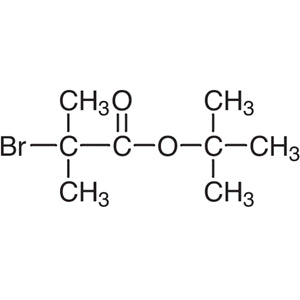
tert-Butyl2-Bromoisobutyrate TCI B3500
Regular price From Rp 637.350,00Regular priceRp 460.950,00Sale price From Rp 637.350,00 -
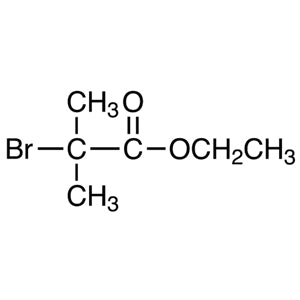
Ethyl2-Bromoisobutyrate TCI B0606
Regular price Rp 769.650,00Regular priceRp 553.350,00Sale price Rp 769.650,00 -
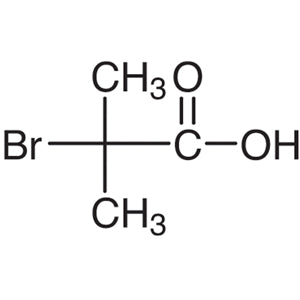
2-BromoisobutyricAcid TCI B0605
Regular price From Rp 875.700,00Regular priceRp 627.900,00Sale price From Rp 875.700,00 -
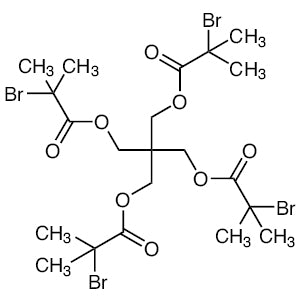
PentaerythritolTetrakis(2-bromoisobutyrate) TCI P2713
Regular price Rp 4.716.600,00Regular priceRp 3.313.800,00Sale price Rp 4.716.600,00 -
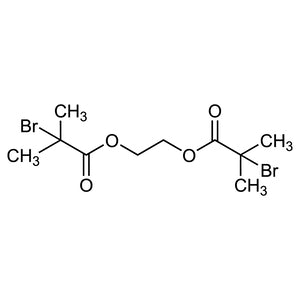
EthyleneBis(2-bromoisobutyrate) TCI B7067
Regular price From Rp 1.881.600,00Regular priceRp 1.331.400,00Sale price From Rp 1.881.600,00 -
AllylBromide TCI B0643
Regular price From Rp 557.550,00Regular priceRp 389.550,00Sale price From Rp 557.550,00 -
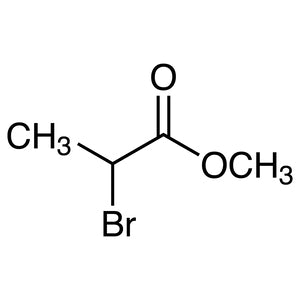
Methyl2-Bromopropionate TCI B1460
Regular price From Rp 822.150,00Regular priceRp 590.100,00Sale price From Rp 822.150,00 -
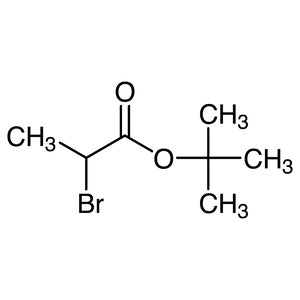
tert-Butyl2-Bromopropionate TCI B1277
Regular price From Rp 3.365.250,00Regular priceRp 2.368.800,00Sale price From Rp 3.365.250,00