Allyl Bromide (TCI B0643), with CAS number 106-95-6, is a chemical compound widely used as a building block in laboratory reactions. It belongs to the category of non-heterocyclic building blocks and is essential in organic chemistry for its reactivity and versatility. This compound is commonly used in synthetic processes to create more complex organic molecules, particularly those involving bromide groups. Its alkenyl structure allows it to participate in various reactions such as substitution and addition, making it a valuable reagent in chemical synthesis.
Allyl Bromide is known for its chemical stability under certain conditions, but it is highly reactive towards oxidative or reductive environments. This reactivity makes it a preferred choice for researchers seeking to manipulate molecular structures through controlled chemical reactions. Its availability in pure liquid form simplifies its use in both small-scale and large-scale experiments. The compound's ability to engage in nucleophilic reactions further enhances its utility in laboratory settings.
In Indonesian laboratories, Allyl Bromide is extensively used in organic chemistry research, particularly in academic institutions and research centers. Its availability, quality, and reactivity make it a go-to compound for a wide range of chemical applications. It is especially favored for its role in the synthesis of heterocyclic compounds and other complex organic molecules. Its consistent performance and reliability contribute to its popularity among chemists in Indonesia.
TCI brochures (PDF)
- Protecting Agents 2025-03-25 · p. 10
- Reagents for Glyco Chemistry & Biology 5th Edition · p. 10
- Biomaterials Research Reagents 2025-02-19 · p. 29
- Synthesis of heterocyclic compounds such as thiazole and oxazole due to its ability to participate in nucleophilic reactions.
- Preparation of alkyl compounds through substitution reactions that require bromide group involvement.
- Development of organic molecules requiring controlled reactivity and structural modification.
- Research in chemical synthesis where stability and reactivity are critical factors.
- Educational experiments in organic chemistry to demonstrate key reaction mechanisms and functional group behavior.
| Brand | TCI |
|---|---|
| CAS number | 106-95-6 |
| Molecular formula | — |
| Purity | — |
| Category | Chemistry > Building Blocks > Non-Heterocyclic Building Blocks |
| Pack sizes | Available in various sizes as per standard laboratory requirements |
| Physical form | Pure liquid |
| Storage | Store in a cool, dry place away from light and incompatible materials |
Allyl Bromide should be stored in a cool, dry place, away from direct sunlight and sources of heat. It is recommended to keep it in a tightly sealed container to prevent exposure to air and moisture. Due to its reactivity, it should be handled in a well-ventilated area, preferably in a fume hood. Avoid contact with strong oxidizing or reducing agents to prevent unwanted reactions. Always use appropriate personal protective equipment, such as gloves and safety goggles, when handling this compound. Proper storage and handling are essential to maintain its chemical integrity and ensure safe laboratory practices.
—
Product Categories
- Building BlocksNon-Heterocyclic Building BlocksHalogenated Hydrocarbons (Fluorides expected) [Non-Heterocyclic Building Blocks]
- Chemical BiologyGlycoscienceReagents for Oligosaccharide Synthesis [Glycoscience]
- Synthetic ReagentsProtection, Deprotection, DerivatizationProtecting and Derivatizing Reagents [Synthetic Reagents]
- Polymer/Macromolecule ReagentsPolymerization ReagentsControlled Radical Polymerization Reagents
- Biomaterials/Biocompatible Materials Research ReagentsPolymerization Reagents (Initiators, Catalysts, Ligands) [Biomaterials/Biocompatible Materials Research Reagents]Atom Transfer Radical Polymerization (ATRP) Reagents
Produk Terkait
-
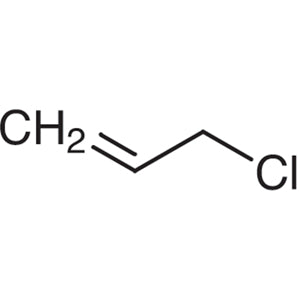
AllylChloride TCI C0274
Regular price From Rp 477.750,00Regular priceRp 333.900,00Sale price From Rp 477.750,00 -
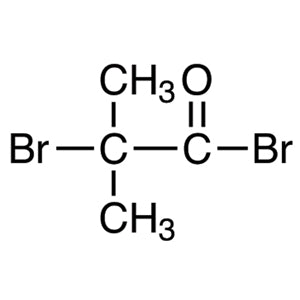
2-BromoisobutyrylBromide TCI B0607
Regular price From Rp 900.900,00Regular priceRp 645.750,00Sale price From Rp 900.900,00 -
Copper(II)Bromide TCI C2389
Regular price From Rp 530.250,00Regular priceRp 370.650,00Sale price From Rp 530.250,00 -
Copper(I)Bromide TCI C2161
Regular price From Rp 477.750,00Regular priceRp 333.900,00Sale price From Rp 477.750,00 -
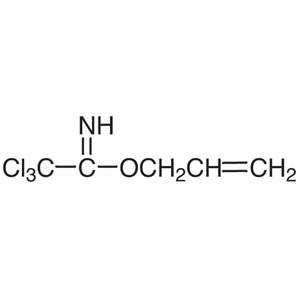
Allyl2,2,2-Trichloroacetimidate TCI A2186
Regular price Rp 2.702.700,00Regular priceRp 1.905.750,00Sale price Rp 2.702.700,00 -
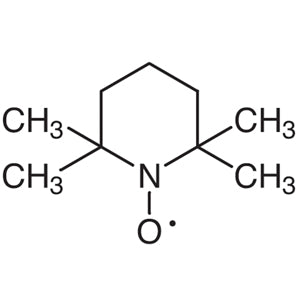
2,2,6,6-Tetramethylpiperidine1-OxylFreeRadical TCI T1560
Regular price From Rp 1.590.750,00Regular priceRp 1.111.950,00Sale price From Rp 1.590.750,00 -
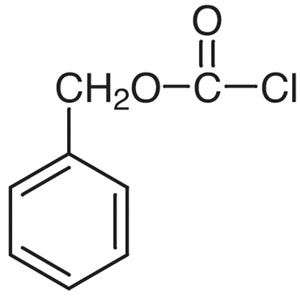
BenzylChloroformate TCI B3021
Regular price From Rp 689.850,00Regular priceRp 497.700,00Sale price From Rp 689.850,00 -
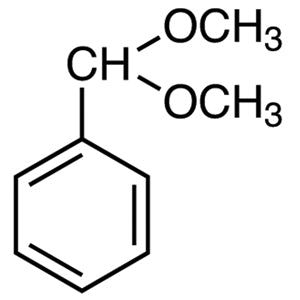
BenzaldehydeDimethylAcetal TCI B1197
Regular price From Rp 477.750,00Regular priceRp 333.900,00Sale price From Rp 477.750,00