Benzyl Chloroformate (BCF), with the CAS number 501-53-1, is a versatile chemical compound widely used in organic laboratory settings. As a halogenating reagent, it plays a crucial role in various synthetic reactions by enabling the formation of new chemical bonds. Its ability to react with different functional groups makes it an essential tool in the synthesis of complex organic molecules. BCF is classified under the "Building Blocks" category in chemistry, indicating its fundamental role in constructing new compounds. This reagent is particularly valuable for its reactivity and utility in multiple synthetic pathways.
One of the key properties that make BCF a preferred choice in laboratory settings is its chemical stability under controlled conditions, combined with its high reactivity towards organic reagents. This dual nature allows it to participate in a wide range of reactions, including esterification, carbonyl activation, and halogen substitution. Its molecular structure enables it to interact effectively with nucleophiles, making it ideal for applications requiring precise chemical transformations. The compound’s reactivity also means it can be tailored for specific synthetic needs, enhancing its adaptability in laboratory research.
In Indonesian laboratories, BCF is commonly used in organic chemistry research, especially in the development of pharmaceutical compounds and industrial chemicals. Its high reactivity and precision in chemical synthesis make it a valuable asset for researchers working on complex molecular structures. Due to its reactive nature, BCF requires careful handling to prevent unintended reactions and ensure safe laboratory practices.
TCI brochures (PDF)
- Reagent for Incorporating a High-Performance Protecting Group (Nms) into Amines 2025-07-10 · p. 1
- Protecting Agents 2025-03-25 · p. 10
- Reagents for Glyco Chemistry & Biology 5th Edition · p. 130
- Amino Acids and Peptide Synthesis Reagents 2025-08-14 · p. 40
- Organic synthesis applications benefit from BCF's ability to activate carbonyl groups, making it ideal for esterification and functional group modification.
- Halogen substitution reactions often utilize BCF as a reagent due to its capacity to introduce halogen atoms into organic molecules.
- Pharmaceutical research frequently employs BCF in the synthesis of complex drug molecules, leveraging its reactivity with nucleophiles.
- Industrial chemical production relies on BCF for its role in creating stable intermediate compounds used in various manufacturing processes.
- Academic research in chemistry laboratories uses BCF for teaching and demonstrating key synthetic techniques in organic chemistry.
| Brand | TCI |
|---|---|
| CAS number | 501-53-1 |
| Molecular formula | — |
| Purity | — |
| Category | Chemistry > Building Blocks > Non-Heterocyclic Building Blocks |
| Pack sizes | Available in various quantities as per supplier specifications |
| Physical form | Liquid |
| Storage | Store in a cool, dry place away from moisture and direct sunlight |
Data from the TCI brochure
| Typical protecting condition | CbzCl [B3021], Pyridine, 0°C (Cbz group, protecting group comparison table) |
|---|---|
| Typical deprotecting condition | H2, Pd/C, rt (Cbz group, protecting group comparison table) |
| Tolerance RMgX | NG (Cbz group) |
| Tolerance Hydride | NG (Cbz group) |
| Tolerance H2 | NG (Cbz group) |
Source: TCI brochure RR217 (2025-07-10)
Benzyl Chloroformate should be stored in a cool, dry environment to maintain its chemical stability. It is recommended to keep it in a tightly sealed container to prevent exposure to moisture and air. Due to its reactivity, it should be handled in a well-ventilated area, preferably under a fume hood, to minimize inhalation risks. Laboratory personnel should wear appropriate personal protective equipment, such as gloves and safety goggles, when working with this compound. Avoid contact with incompatible materials to prevent unwanted chemical reactions. Proper storage and handling are essential to ensure the safety of both the researcher and the laboratory environment.
—
Product Categories
- Building BlocksNon-Heterocyclic Building BlocksCarbonyl Compounds [Non-Heterocyclic Building Blocks]
- Chemical BiologyPeptide ChemistryAmine Protection [Peptide Chemistry]
- Chemical BiologyGlycoscienceReagents for Oligosaccharide Synthesis [Glycoscience]
- Synthetic ReagentsProtection, Deprotection, DerivatizationProtecting and Derivatizing Reagents [Synthetic Reagents]
- Pharmaceutical Development and Drug Discovery Research ReagentsPeptide ChemistryAmine Protection [Peptide Chemistry]
Produk Terkait
-
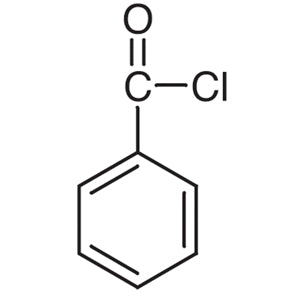
BenzoylChloride TCI B0105
Regular price Rp 557.550,00Regular priceRp 405.300,00Sale price Rp 557.550,00 -
BenzoicAnhydride TCI B0078
Regular price Rp 637.350,00Regular priceRp 460.950,00Sale price Rp 637.350,00 -
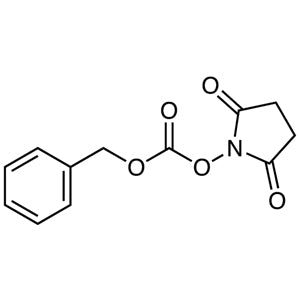
N-Carbobenzoxyoxysuccinimide TCI C1124
Regular price From Rp 717.150,00Regular priceRp 516.600,00Sale price From Rp 717.150,00 -
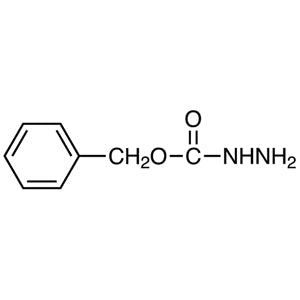
BenzylCarbazate TCI C1564
Regular price From Rp 1.934.100,00Regular priceRp 1.368.150,00Sale price From Rp 1.934.100,00