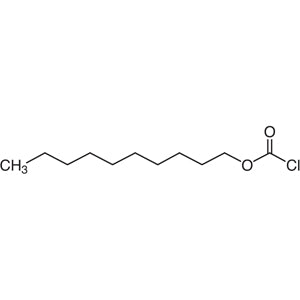
Nonyl Chloroformate (TCI B0262), with CAS number 57045-82-6, is a chemical compound widely used in organic synthesis as a building block in laboratory settings. It serves as a versatile reagent that facilitates various chemical reactions, including esterification and substitution reactions. Its molecular structure enables it to participate in multiple synthetic pathways, making it an essential component in the development of complex organic molecules. This compound is commonly found in chemical laboratories where researchers are engaged in the synthesis of heterocyclic compounds and other organic derivatives.
The chemical properties of Nonyl Chloroformate make it a preferred choice for laboratory applications. It exhibits reactivity towards water and polar solvents, which allows it to engage in a wide range of chemical transformations. However, its stability under specific conditions ensures that it remains effective during controlled reactions. These characteristics make it suitable for use in experiments requiring precise functional group manipulation. Its chemical stability and reactivity balance make it a reliable reagent for synthetic chemists.
In Indonesian laboratories, Nonyl Chloroformate is a commonly used reagent in both academic and research settings. It is particularly favored in higher education institutions and research centers where organic synthesis is a core activity. Its liquid form simplifies handling and mixing, making it ideal for various chemical reactions. Its availability and reliability contribute to its widespread use in chemical research in Indonesia.
- Organic synthesis is a primary application where Nonyl Chloroformate is used to create complex organic molecules due to its reactivity and versatility in chemical reactions.
- Heterocyclic compound synthesis benefits from this reagent as it enables the formation of ring structures through substitution and esterification reactions.
- Functional group modification is another key application, as its reactivity allows for the introduction of specific functional groups in target molecules.
- Analytical chemistry experiments often utilize this compound for its ability to participate in controlled chemical transformations under specific conditions.
- Teaching laboratories use Nonyl Chloroformate to demonstrate fundamental chemical reactions and synthesis techniques to students in organic chemistry courses.
| Brand | TCI |
|---|---|
| CAS number | 57045-82-6 |
| Molecular formula | — |
| Purity | — |
| Category | Chemistry > Building Blocks > Non-Heterocyclic Building Blocks |
| Pack sizes | — |
| Physical form | Liquid |
| Storage | Requires storage in a cool, dry place away from moisture and polar solvents |
Nonyl Chloroformate should be stored in a cool, dry place, away from moisture and polar solvents to maintain its chemical stability. It is recommended to use airtight containers to prevent exposure to air and humidity, which can affect its reactivity. Due to its reactivity with water, it should be handled in a fume hood to minimize exposure and ensure safety. Proper personal protective equipment, such as gloves and goggles, should be worn when handling this compound. It is important to avoid contact with incompatible materials and to ensure proper ventilation in the laboratory environment. Regular monitoring of storage conditions is essential to maintain the quality and effectiveness of the compound in laboratory applications.
—
Produk Terkait
-
NonylAcetate TCI A0041
Regular price From Rp 505.050,00Regular priceRp 352.800,00Sale price From Rp 505.050,00 -
2-NonylAcetate TCI A1419
Regular price Rp 4.771.200,00Regular priceRp 3.335.850,00Sale price Rp 4.771.200,00 -
Nonyl4-Hydroxybenzoate TCI H0217
Regular price From Rp 2.306.850,00Regular priceRp 1.628.550,00Sale price From Rp 2.306.850,00 -
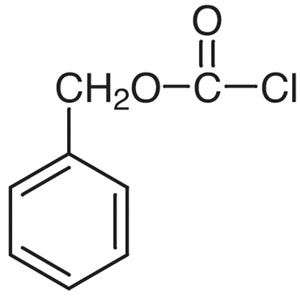
BenzylChloroformate TCI B3021
Regular price From Rp 689.850,00Regular priceRp 497.700,00Sale price From Rp 689.850,00 -
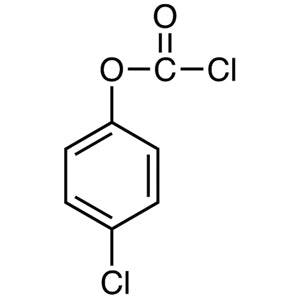
4-ChlorophenylChloroformate TCI C2545
Regular price From Rp 848.400,00Regular priceRp 609.000,00Sale price From Rp 848.400,00 -
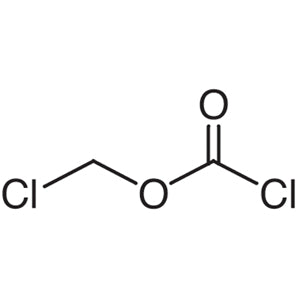
ChloromethylChloroformate TCI C1396
Regular price From Rp 7.182.000,00Regular priceRp 5.037.900,00Sale price From Rp 7.182.000,00 -
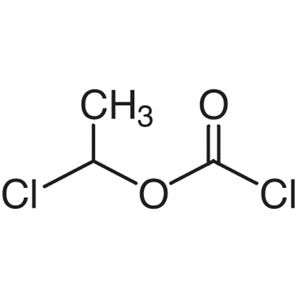
1-ChloroethylChloroformate TCI C1395
Regular price From Rp 1.378.650,00Regular priceRp 979.650,00Sale price From Rp 1.378.650,00 -
DecylChloroformate TCI C1357
Regular price From Rp 1.087.800,00Regular priceRp 775.950,00Sale price From Rp 1.087.800,00