Benzoic Anhydride is a chemical compound widely used in laboratories for organic synthesis. It serves as a key reagent in various chemical reactions, particularly in the formation of esters and carboxylic acids. Its reactivity makes it an essential component in the development of pharmaceuticals, food additives, and industrial chemicals. In laboratory settings, benzoic anhydride plays a crucial role in esterification processes and in the synthesis of compounds with carboxylate structures. Its chemical properties allow it to participate in complex reactions, making it a versatile tool for chemists.
The compound is known for its stability under specific conditions, yet it is highly reactive towards water and bases. This reactivity, while beneficial in chemical reactions, also requires careful handling. Benzoic anhydride is corrosive and can cause irritation to the skin and eyes. These properties make it a preferred choice for applications that demand high reactivity and the ability to engage in intricate chemical transformations. Its effectiveness in organic synthesis is further enhanced by its compatibility with a variety of reaction conditions and reagents.
In Indonesian laboratories, benzoic anhydride is commonly used in organic chemistry research, particularly in universities and research institutions focused on synthesizing active compounds. It is a preferred material due to its availability and reliability in achieving desired chemical outcomes. Its role in both academic and industrial research underscores its importance in the chemical sciences within the region.
TCI brochures (PDF)
- Powerful Condensation Organocatalysts 2018-01-25 · p. 2
- Protecting Agents 2025-03-25 · p. 7
- Nucleosides, Nucleotides, Nucleic Acids and Related Reagents 2026-03-23 · p. 13
- Reagents for Glyco Chemistry & Biology 5th Edition · p. 129
- Organic synthesis reactions where esterification and carboxylic acid formation are required
- Pharmaceutical development for the synthesis of active pharmaceutical ingredients
- Food additive manufacturing for the creation of flavor and preservative compounds
- Industrial chemical production for the development of specialty chemicals
- Academic research in universities and research institutes focusing on chemical innovation
From the TCI brochure
- Acyl donor (Bz2O) in the B2291-catalyzed esterification
| Brand | TCI |
|---|---|
| CAS number | 93-97-0 |
| Molecular formula | — |
| Purity | — |
| Category | Chemistry > Building Blocks > Non-Heterocyclic Building Blocks |
| Pack sizes | Available in standard laboratory quantities |
| Physical form | Solid |
| Storage | Store in a cool, dry place away from moisture and bases |
Benzoic anhydride should be stored in a cool, dry environment to maintain its chemical stability. It is recommended to keep the material in a sealed container to prevent exposure to moisture and air. Due to its corrosive nature, it should be handled with appropriate personal protective equipment, including gloves and safety goggles. Avoid contact with water and bases to prevent unwanted reactions. In a laboratory setting, it is important to store the compound away from incompatible substances to ensure safety and maintain its effectiveness for use in chemical processes. Proper storage conditions are essential to preserve its reactivity and ensure safe handling during experiments.
—
Product Categories
- Building BlocksNon-Heterocyclic Building BlocksCarbonyl Compounds [Non-Heterocyclic Building Blocks]
- Chemical BiologyGlycoscienceReagents for Oligosaccharide Synthesis [Glycoscience]
- Chemical BiologyNucleic Acid ChemistryProtecting Agents for Hydroxy and Amino Groups [Nucleic Acid Synthesis]
- Synthetic ReagentsProtection, Deprotection, DerivatizationProtecting and Derivatizing Reagents [Synthetic Reagents]
- Pharmaceutical Development and Drug Discovery Research ReagentsNucleic Acid ChemistryProtecting Agents for Hydroxy and Amino Groups [Nucleic Acid Synthesis]
Produk Terkait
-
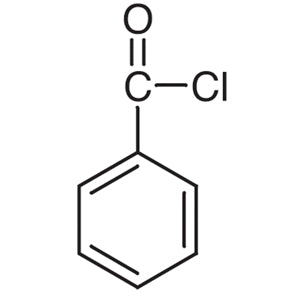
BenzoylChloride TCI B0105
Regular price Rp 557.550,00Regular priceRp 405.300,00Sale price Rp 557.550,00 -
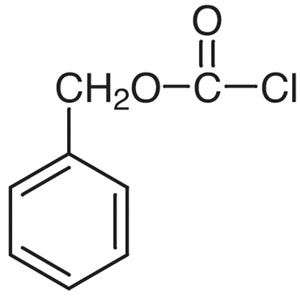
BenzylChloroformate TCI B3021
Regular price From Rp 689.850,00Regular priceRp 497.700,00Sale price From Rp 689.850,00 -
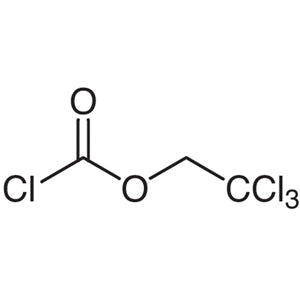
2,2,2-TrichloroethylChloroformate TCI C0795
Regular price From Rp 1.801.800,00Regular priceRp 1.275.750,00Sale price From Rp 1.801.800,00 -
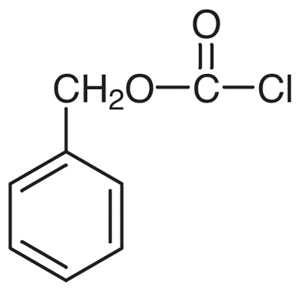
BenzylChloroformate(30-35%inToluene) TCI C0176
Regular price Rp 557.550,00Regular priceRp 405.300,00Sale price Rp 557.550,00 -
TrifluoromethanesulfonicAnhydride TCI T1100
Regular price From Rp 1.670.550,00Regular priceRp 1.167.600,00Sale price From Rp 1.670.550,00 -
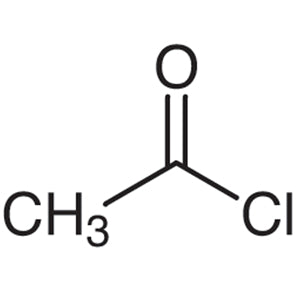
AcetylChloride TCI A0082
Regular price From Rp 848.400,00Regular priceRp 609.000,00Sale price From Rp 848.400,00 -
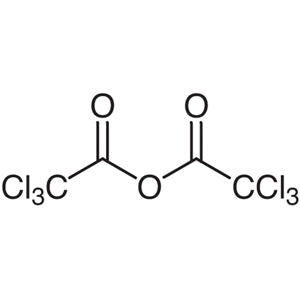
TrichloroaceticAnhydride TCI T0792
Regular price Rp 1.670.550,00Regular priceRp 1.183.350,00Sale price Rp 1.670.550,00 -
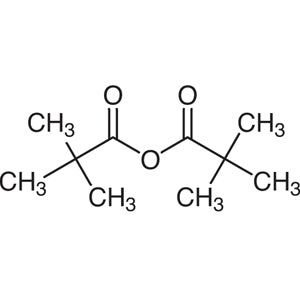
PivalicAnhydride TCI P1414
Regular price From Rp 1.829.100,00Regular priceRp 1.294.650,00Sale price From Rp 1.829.100,00